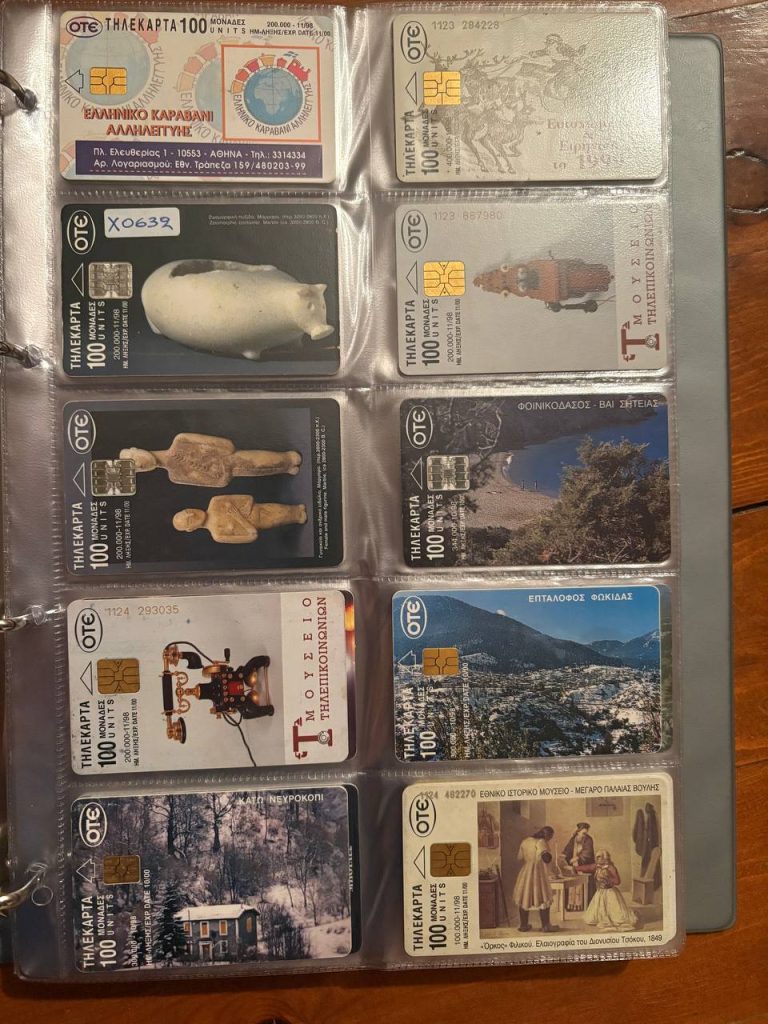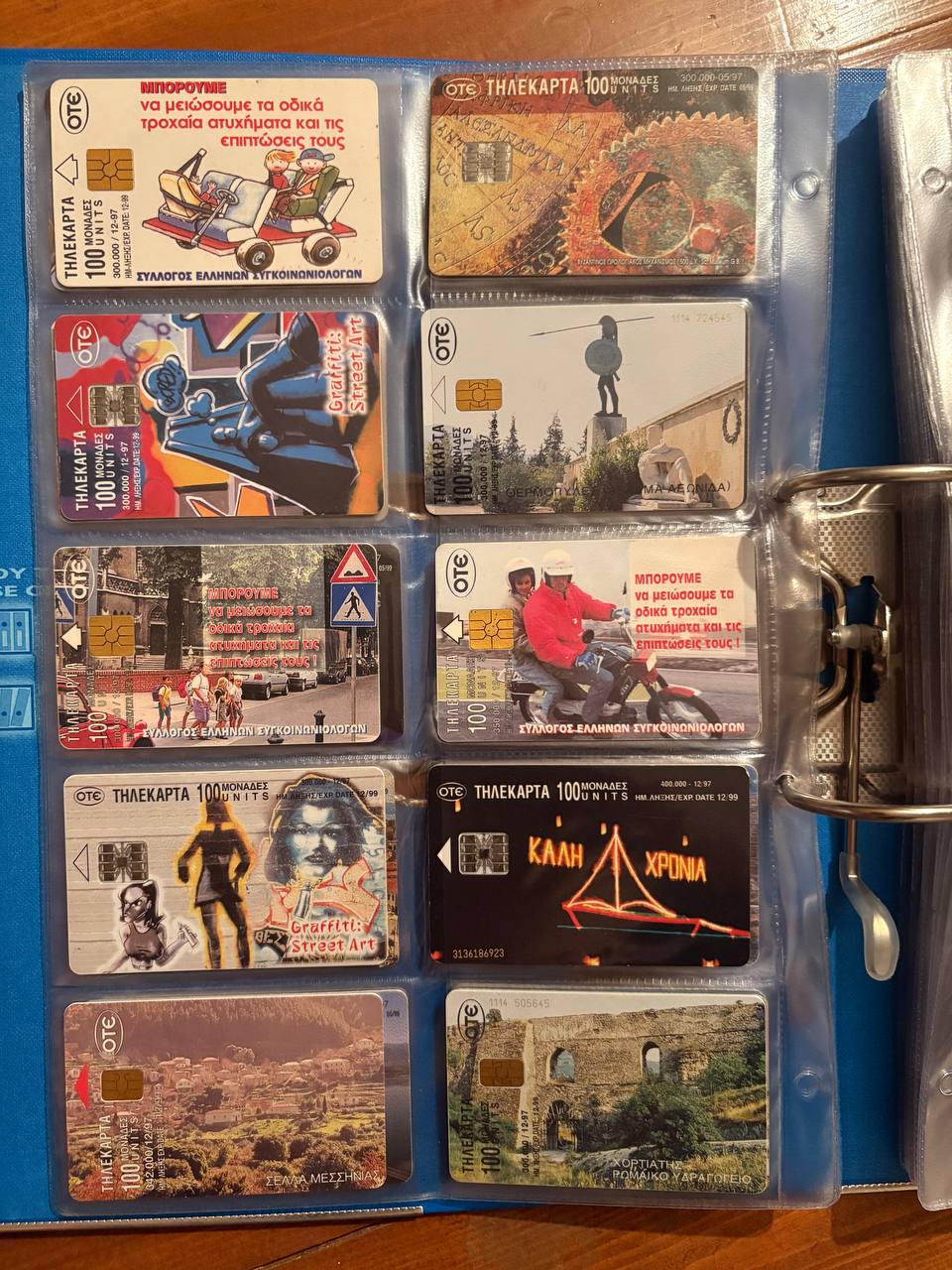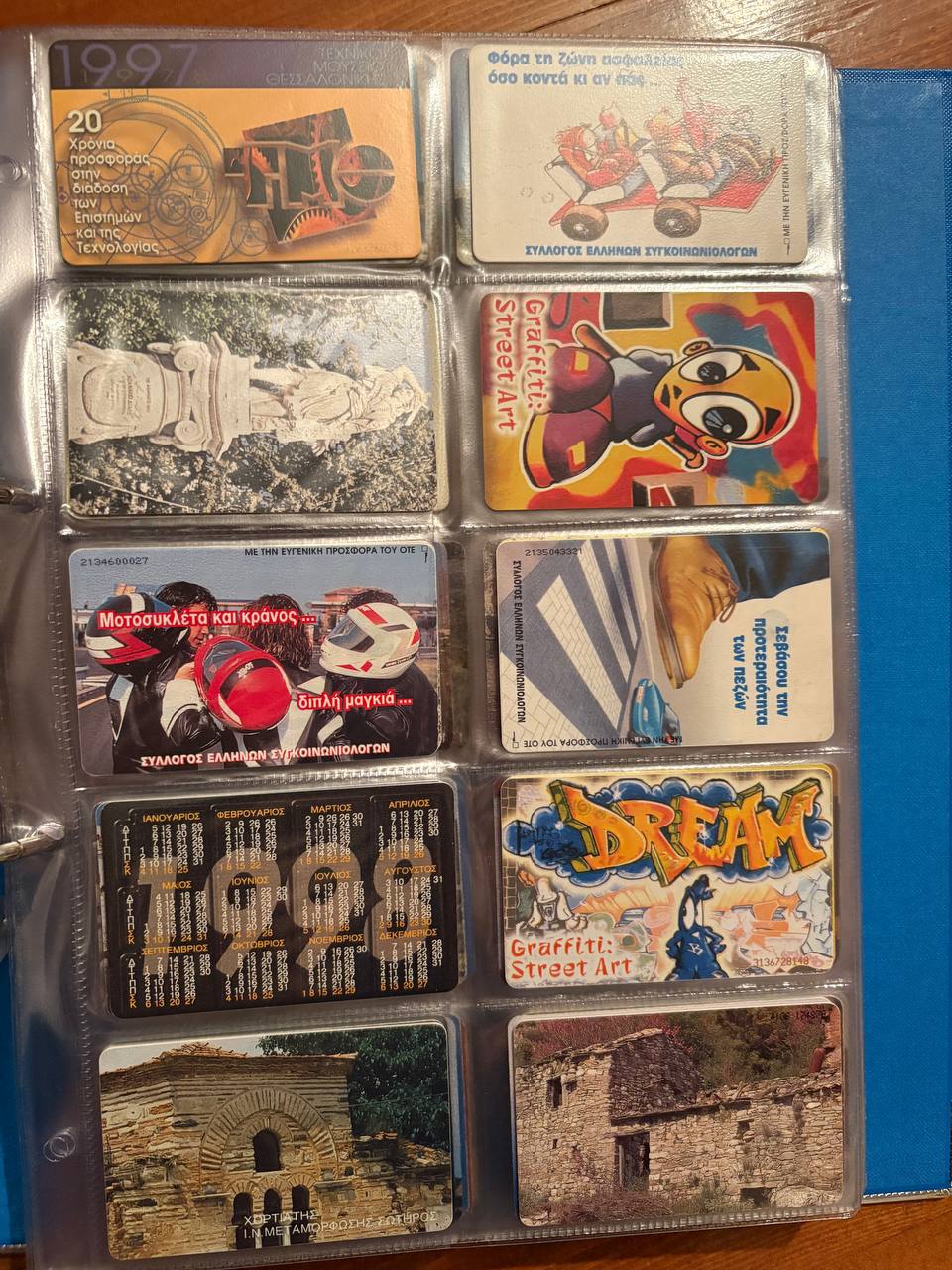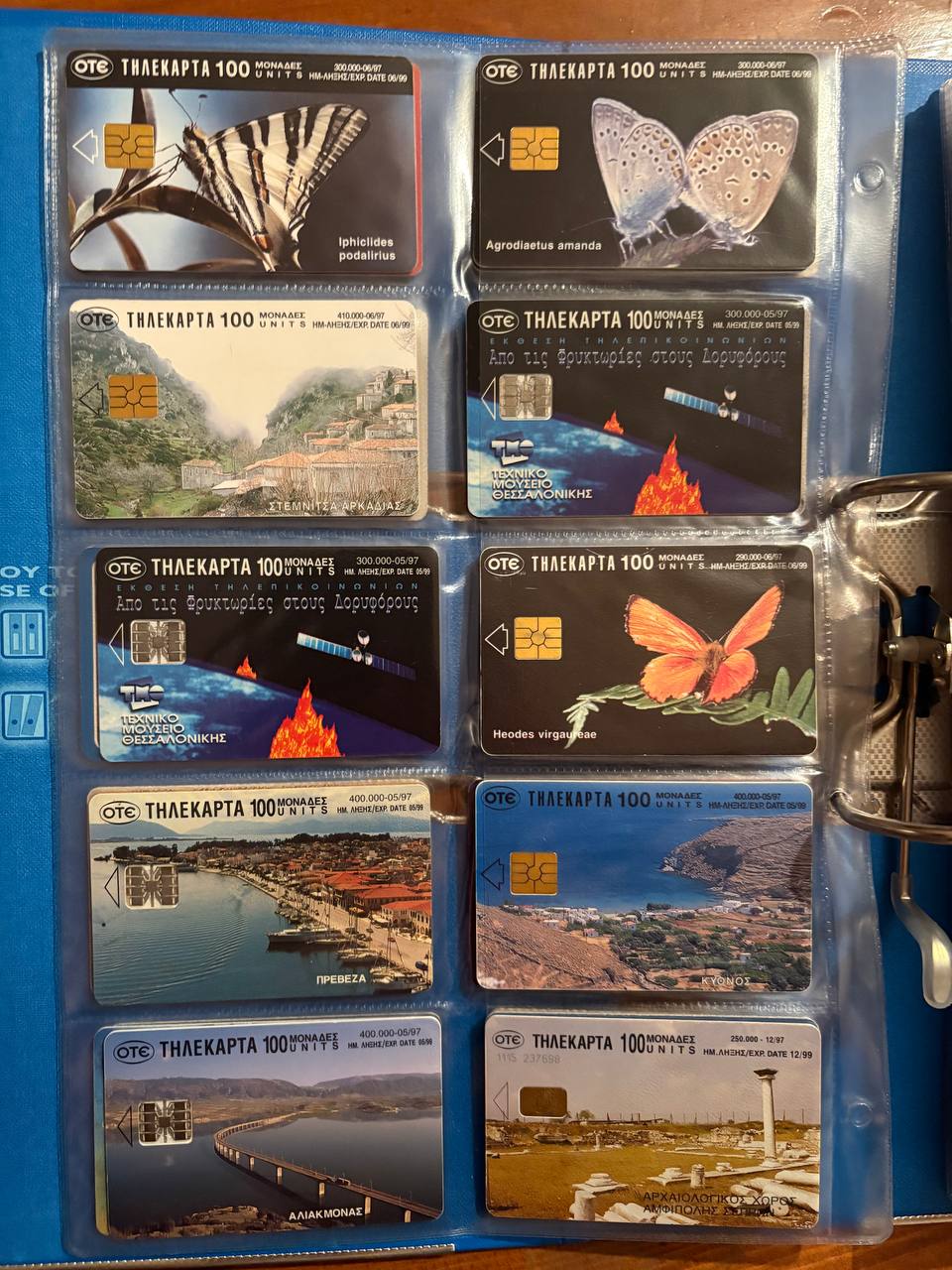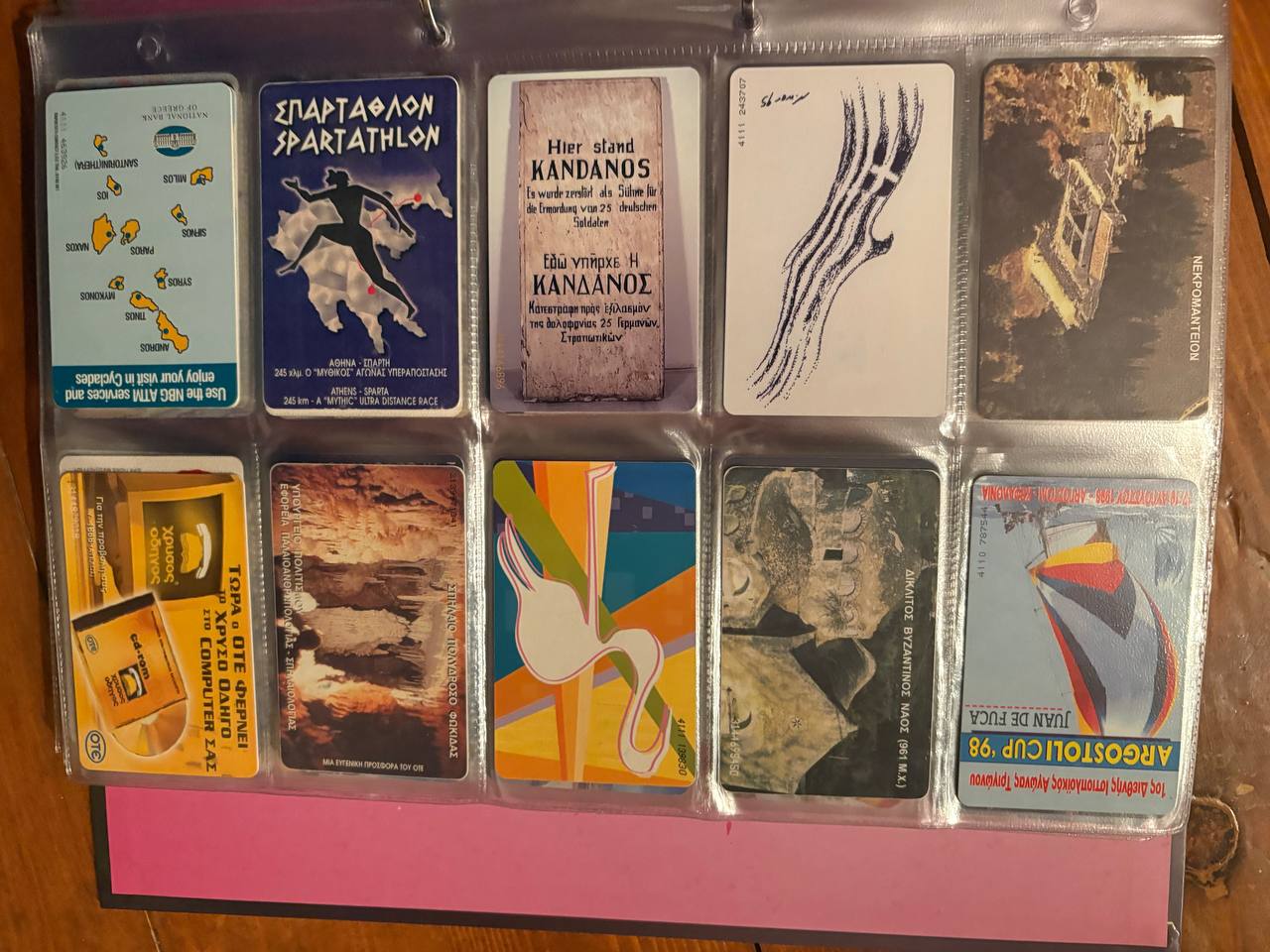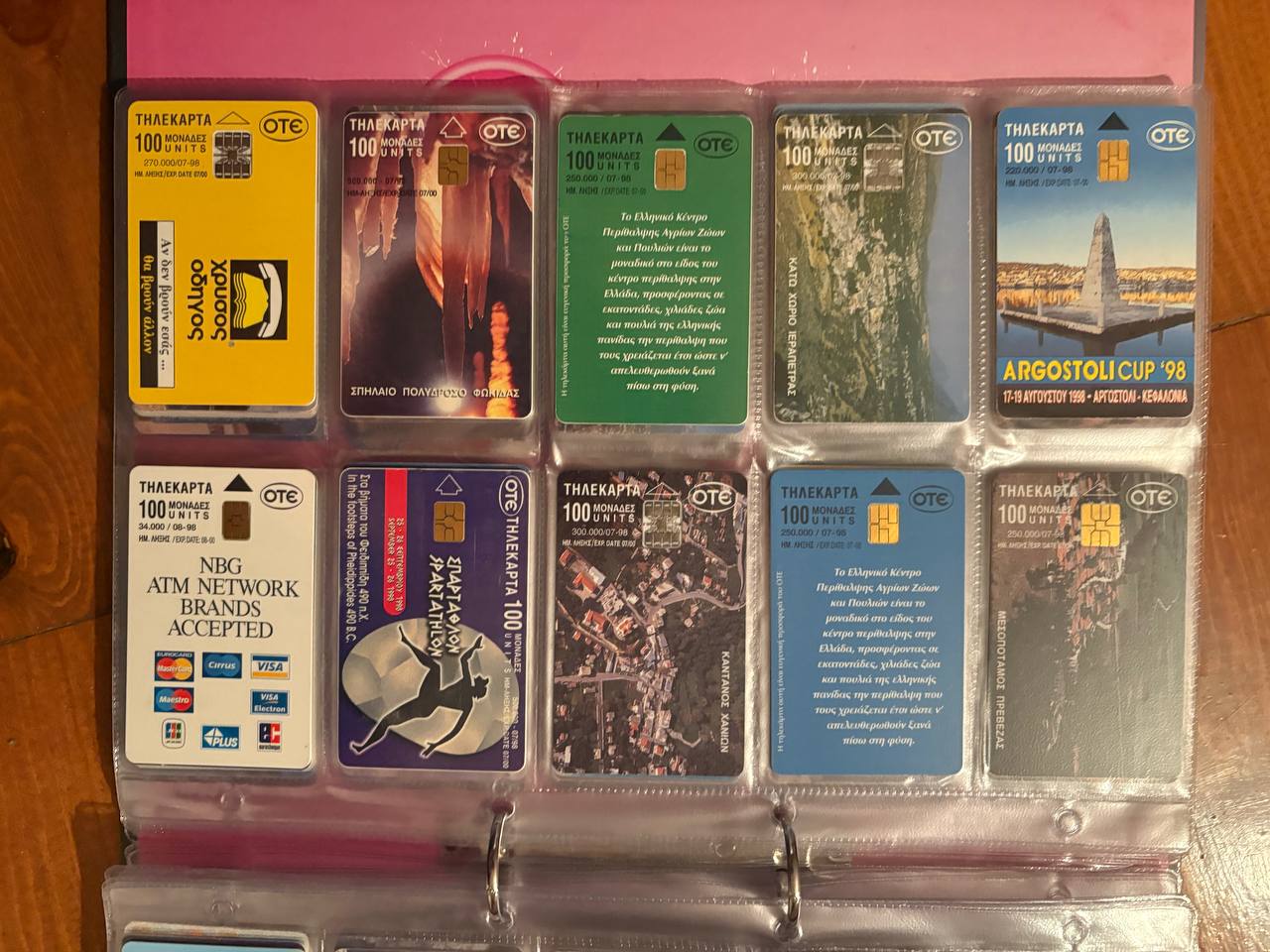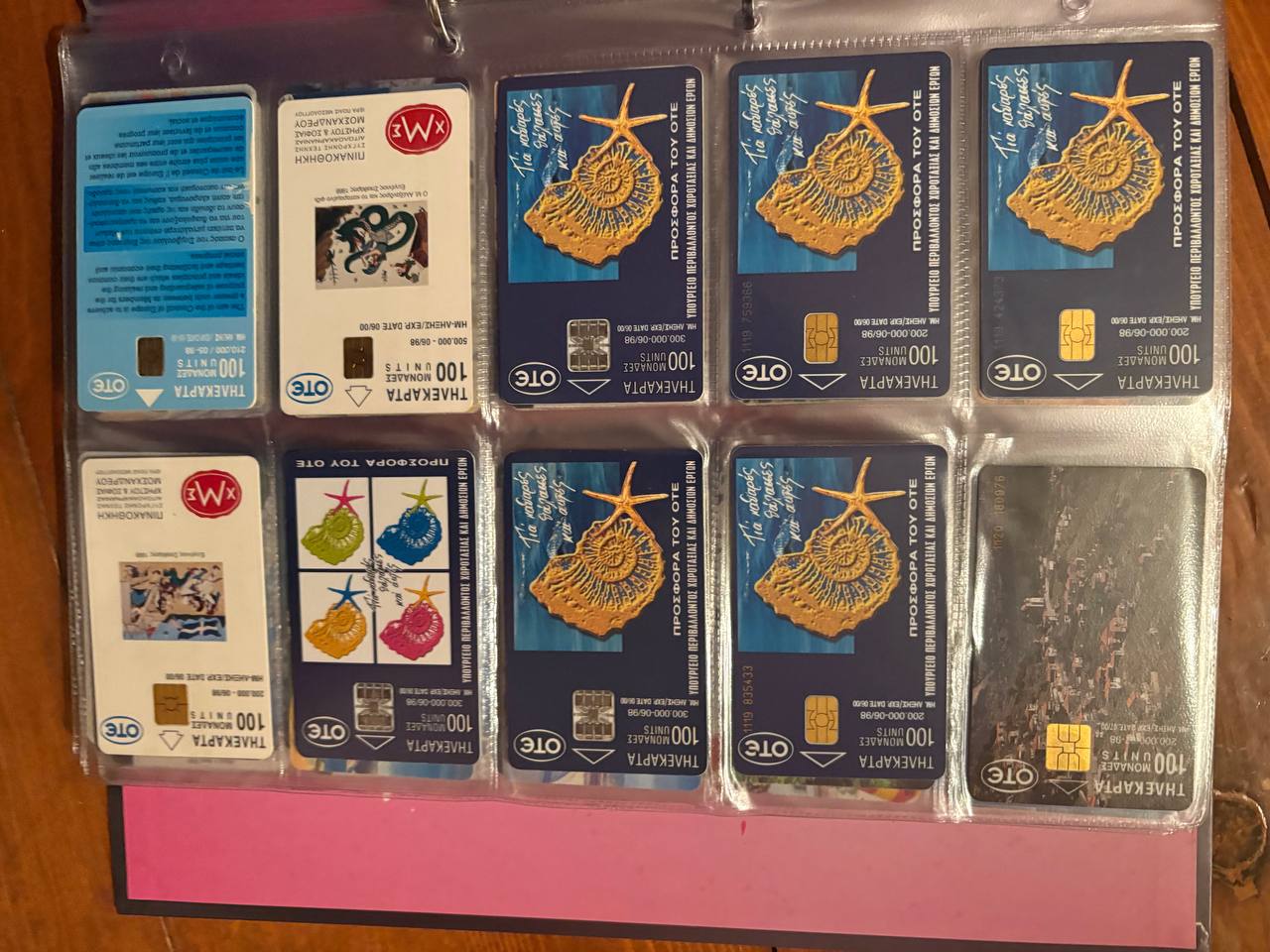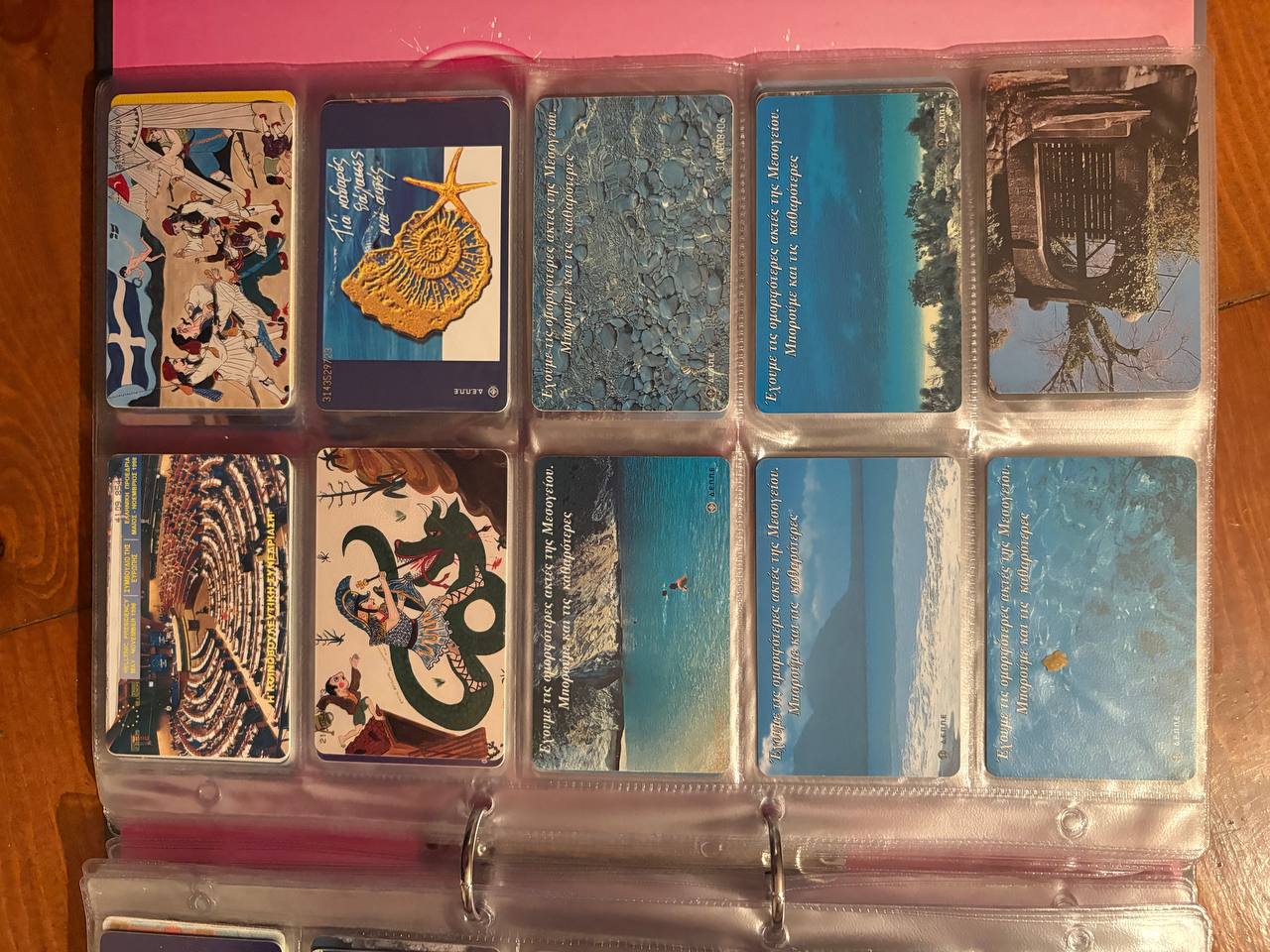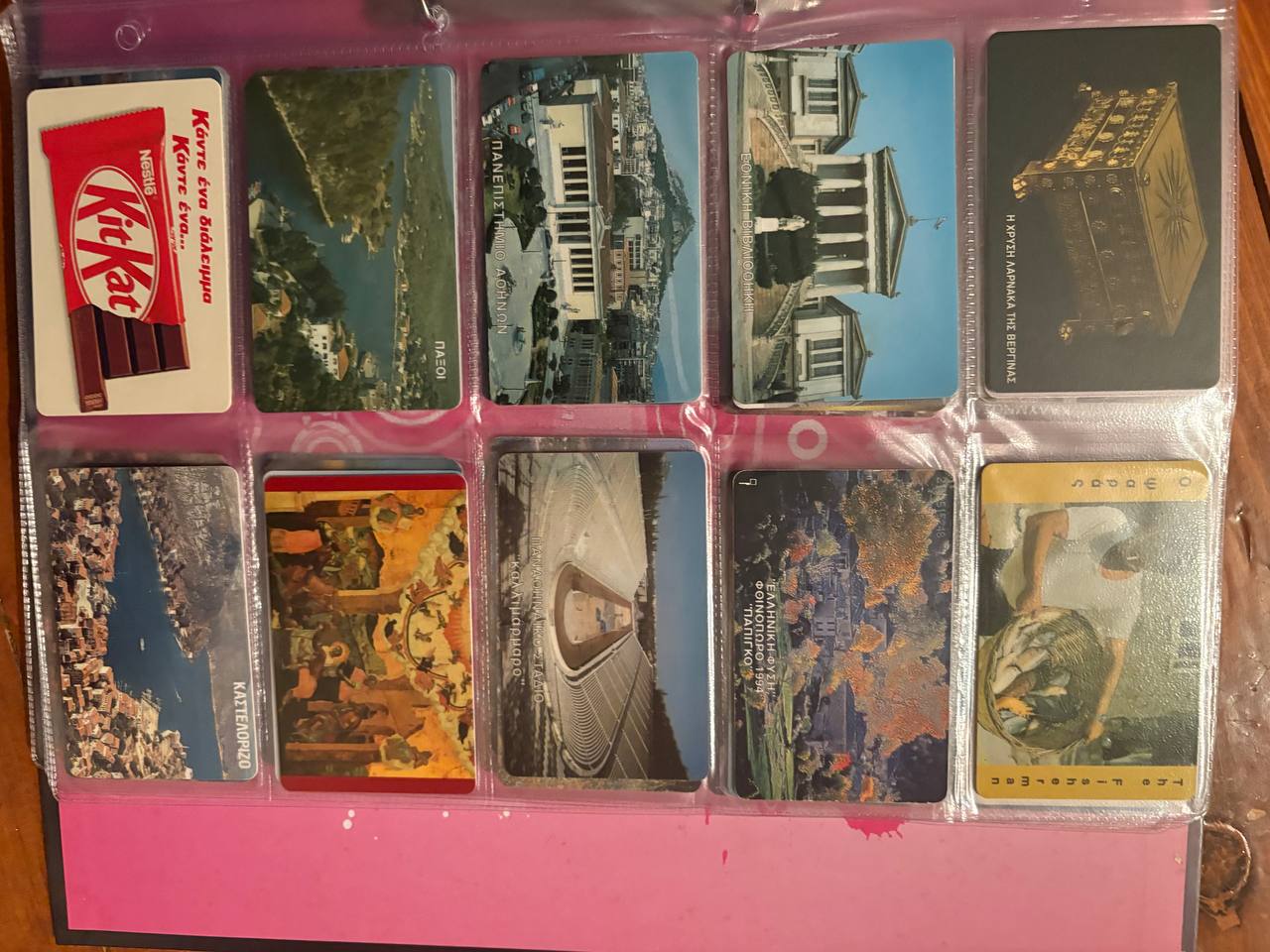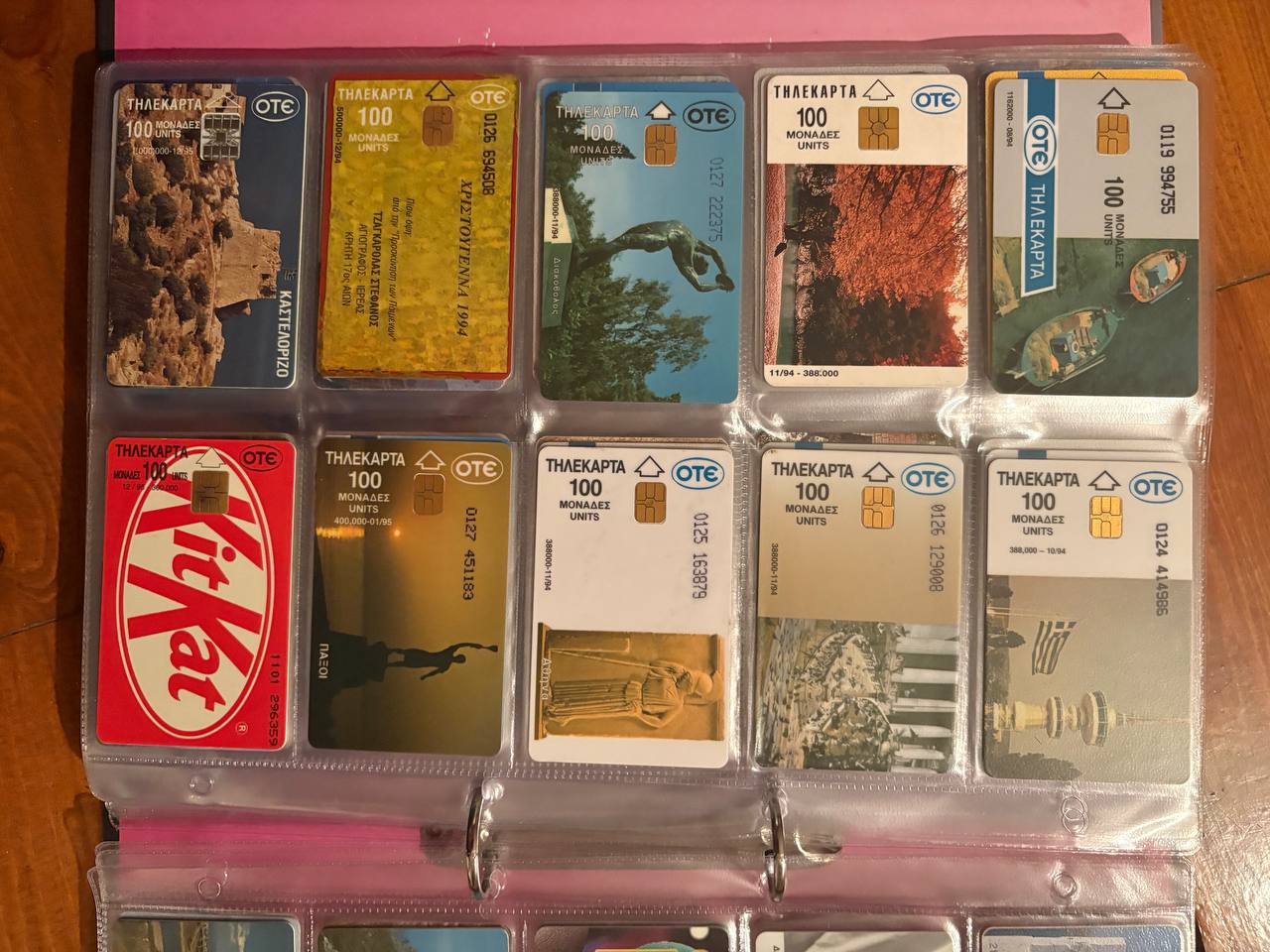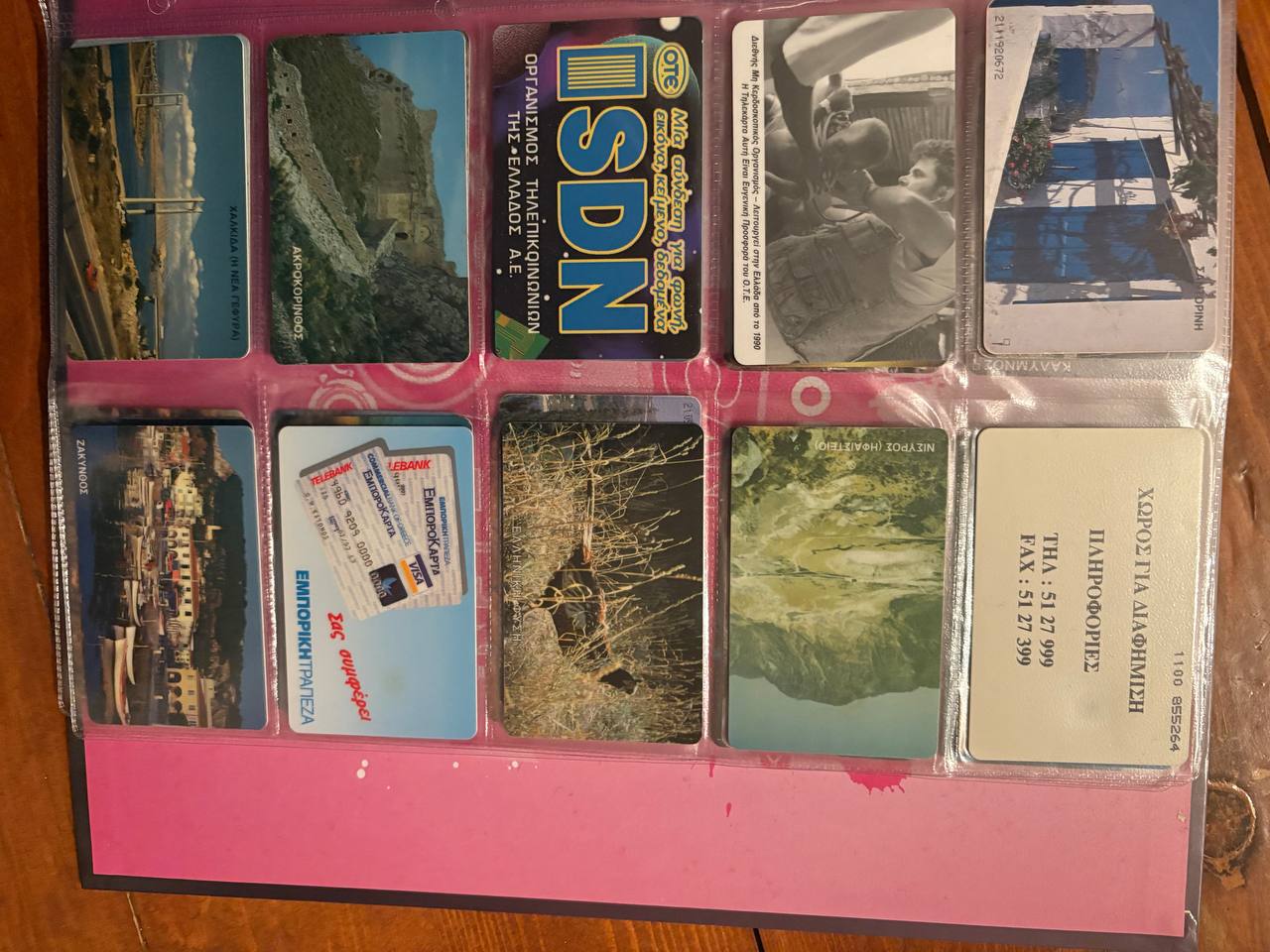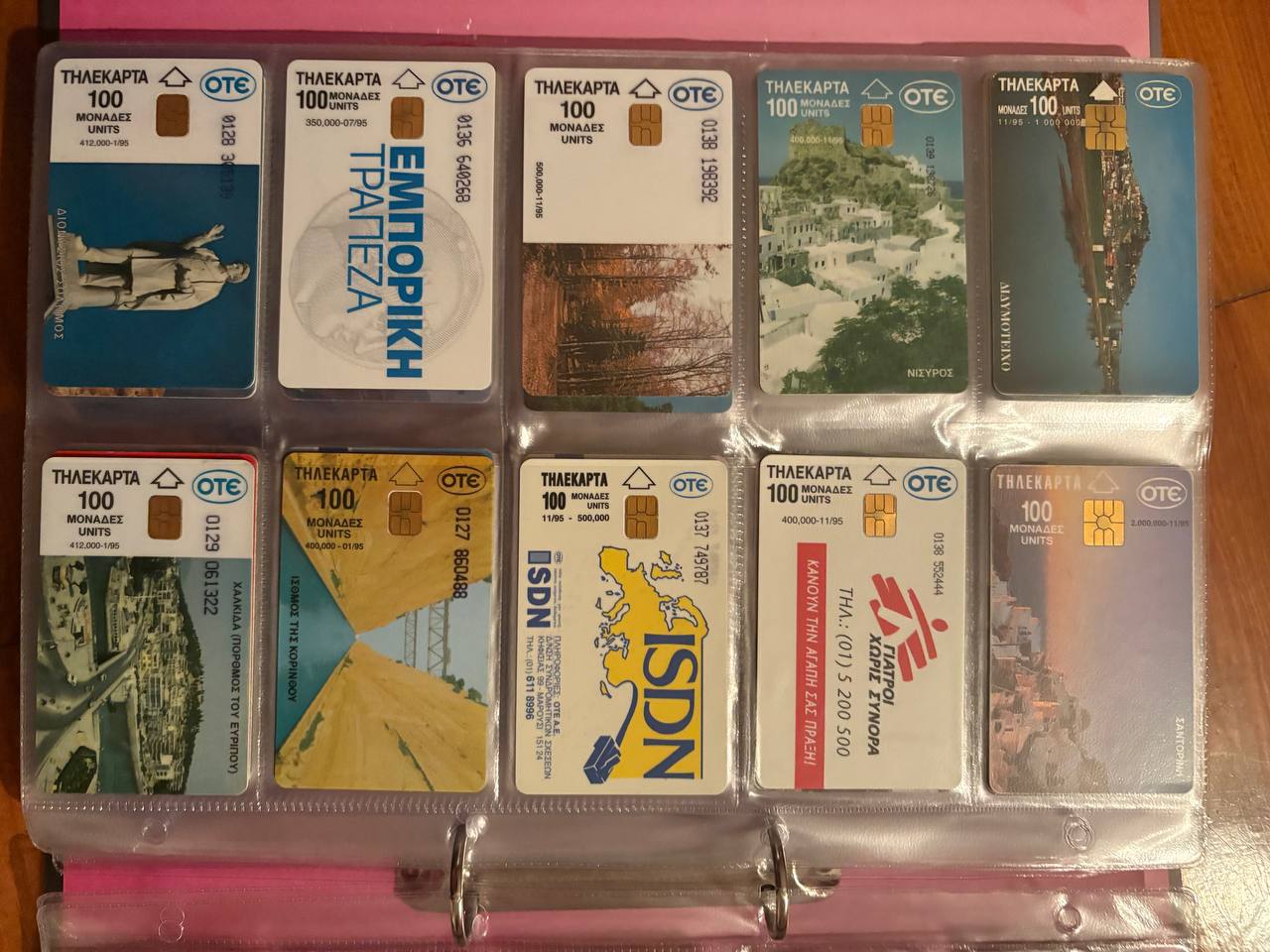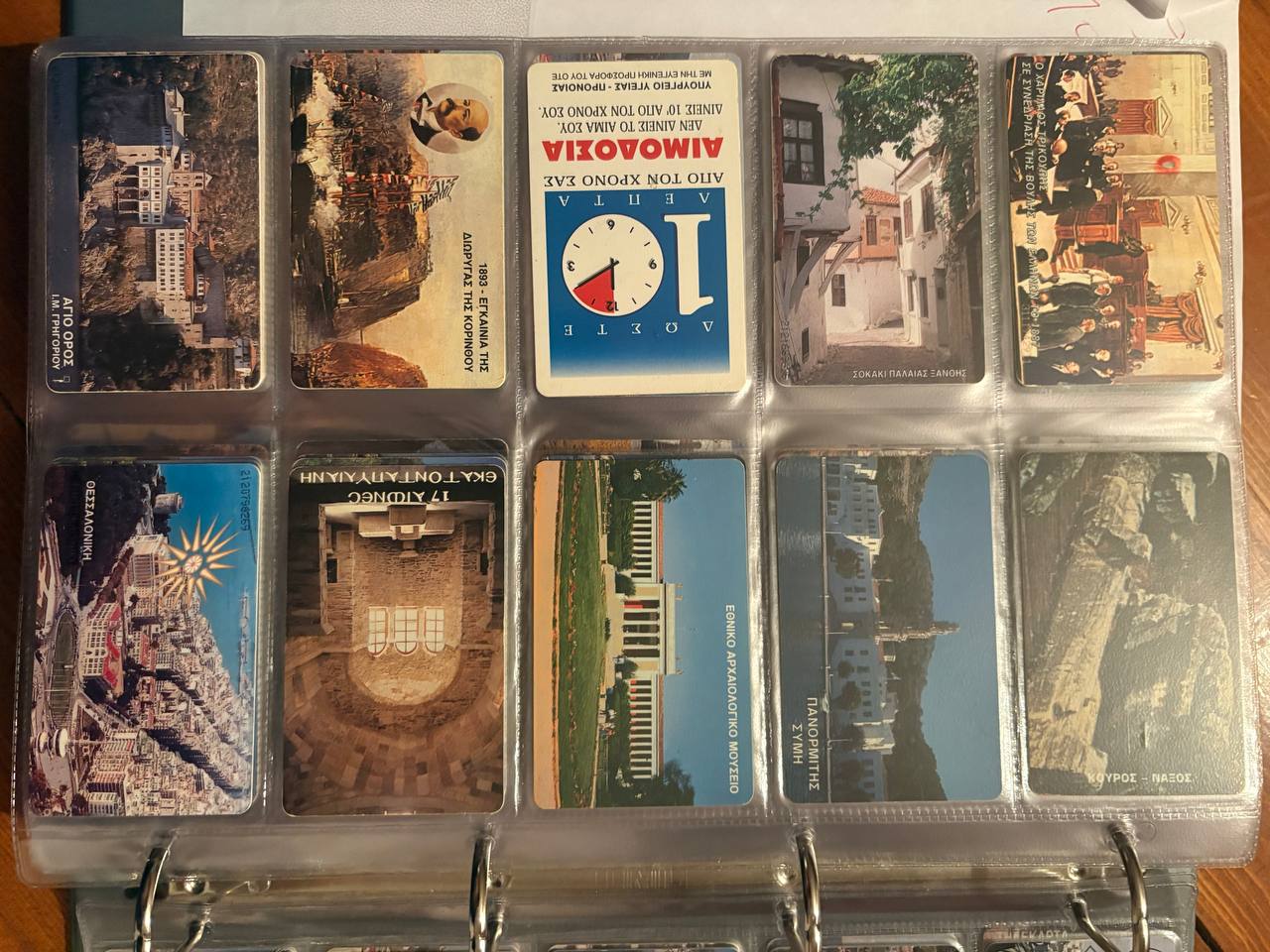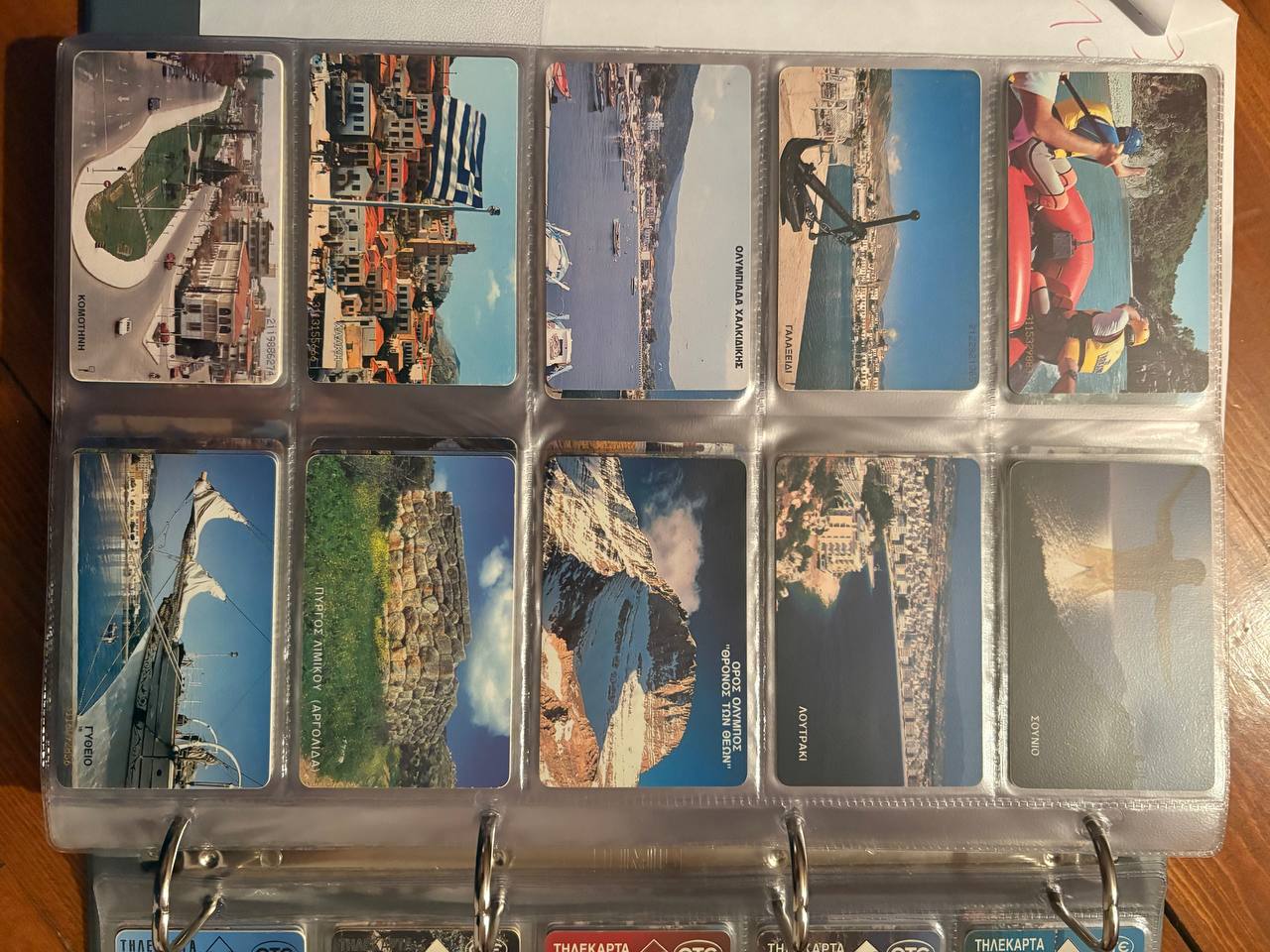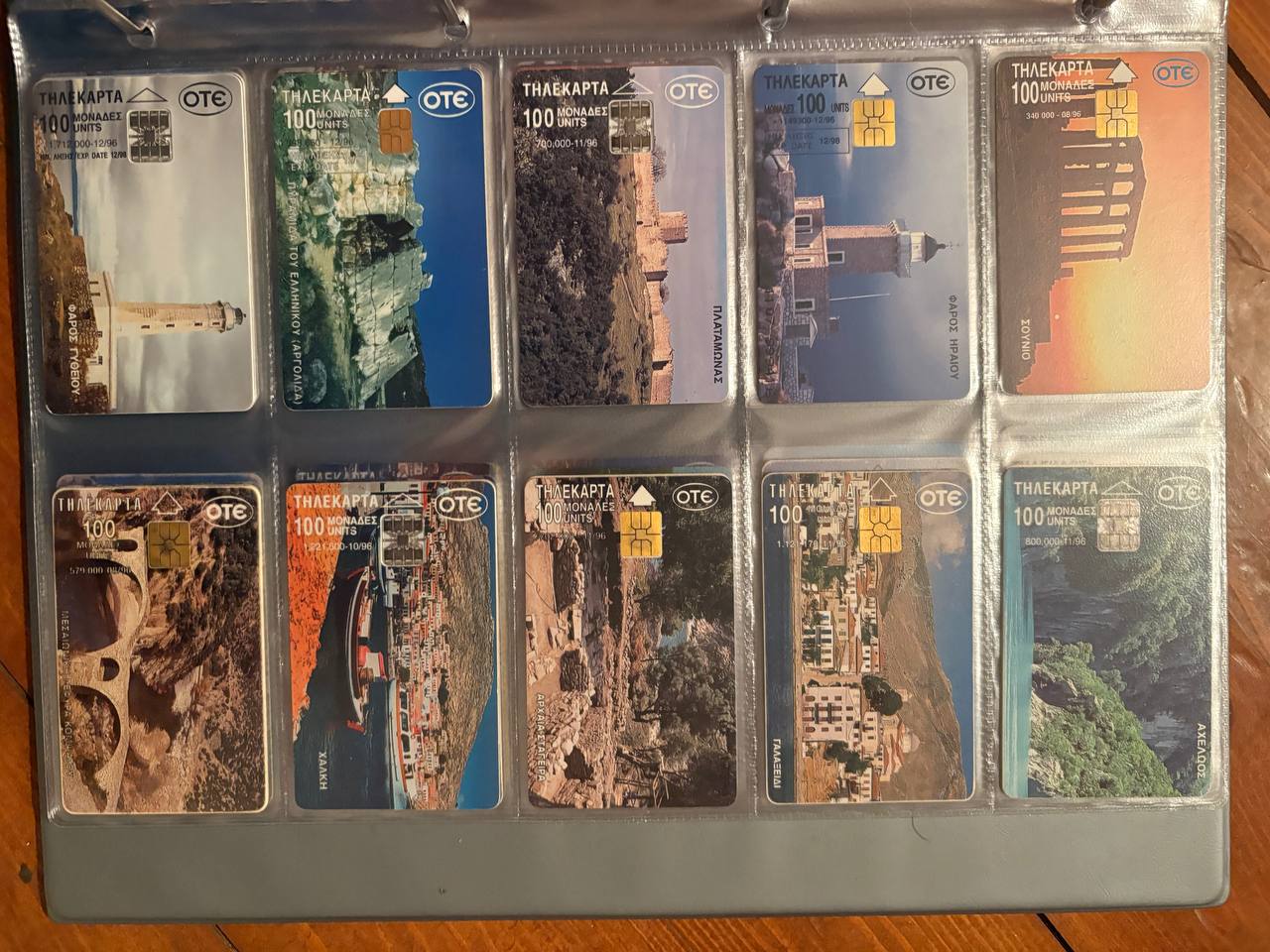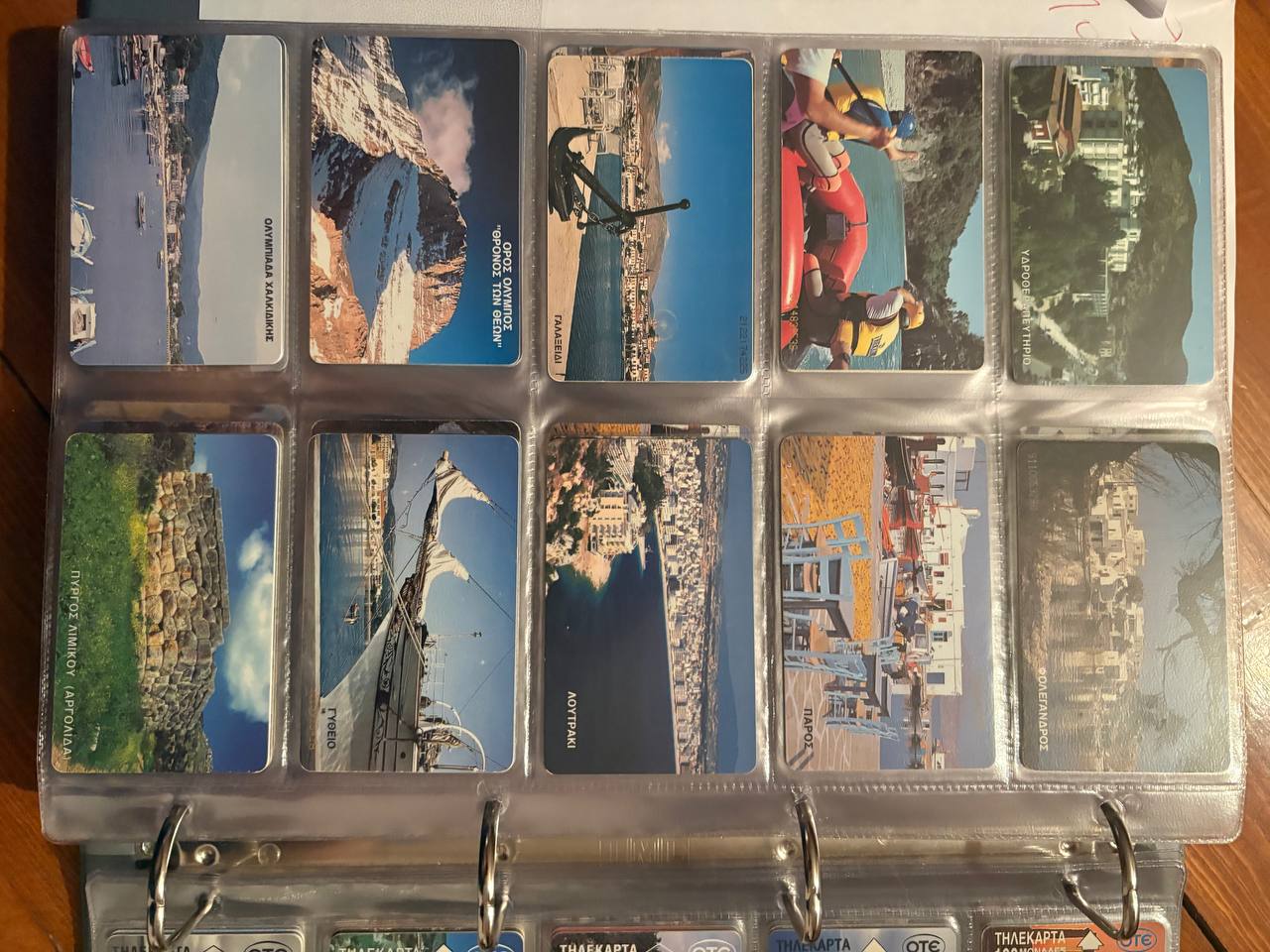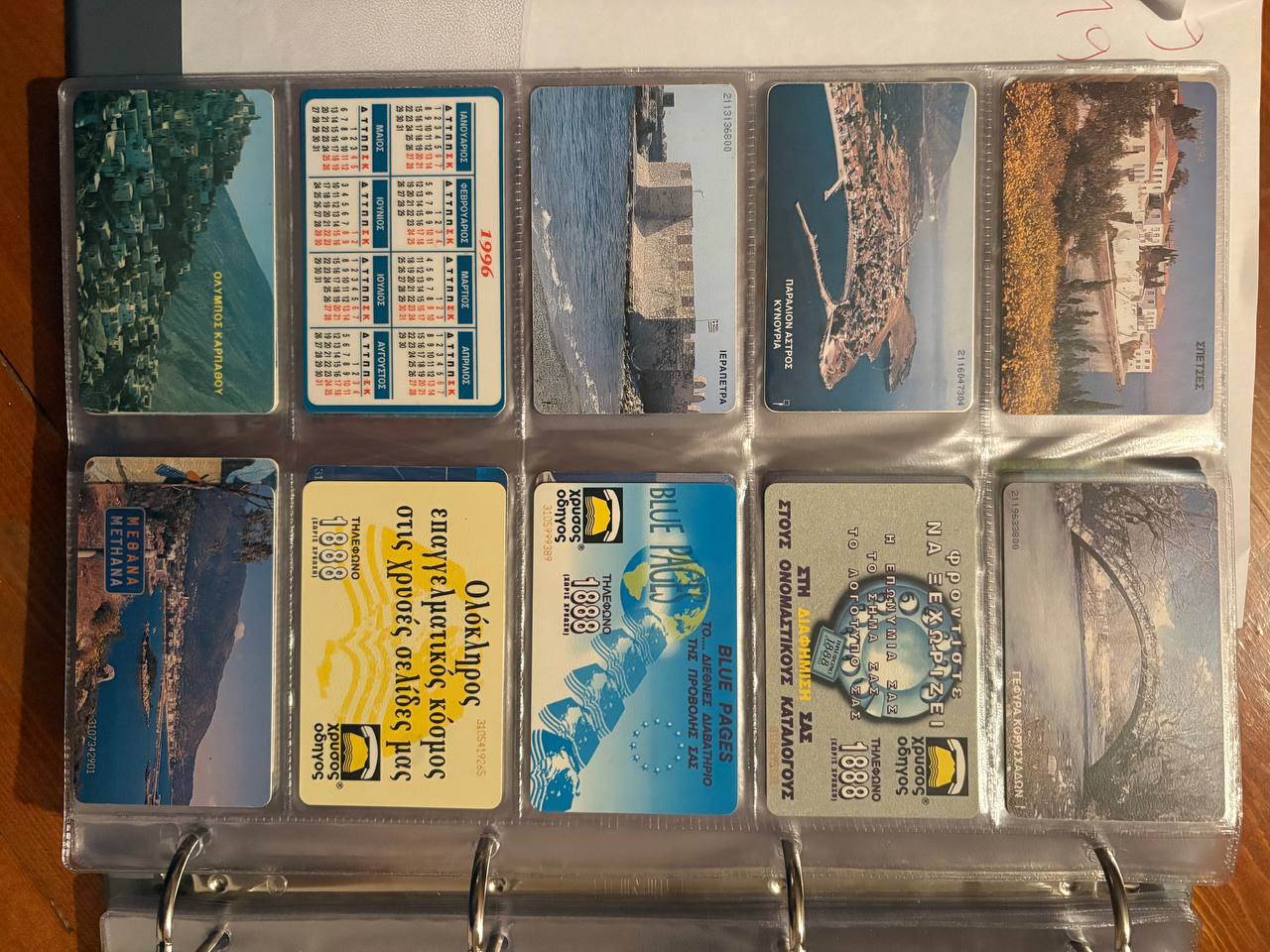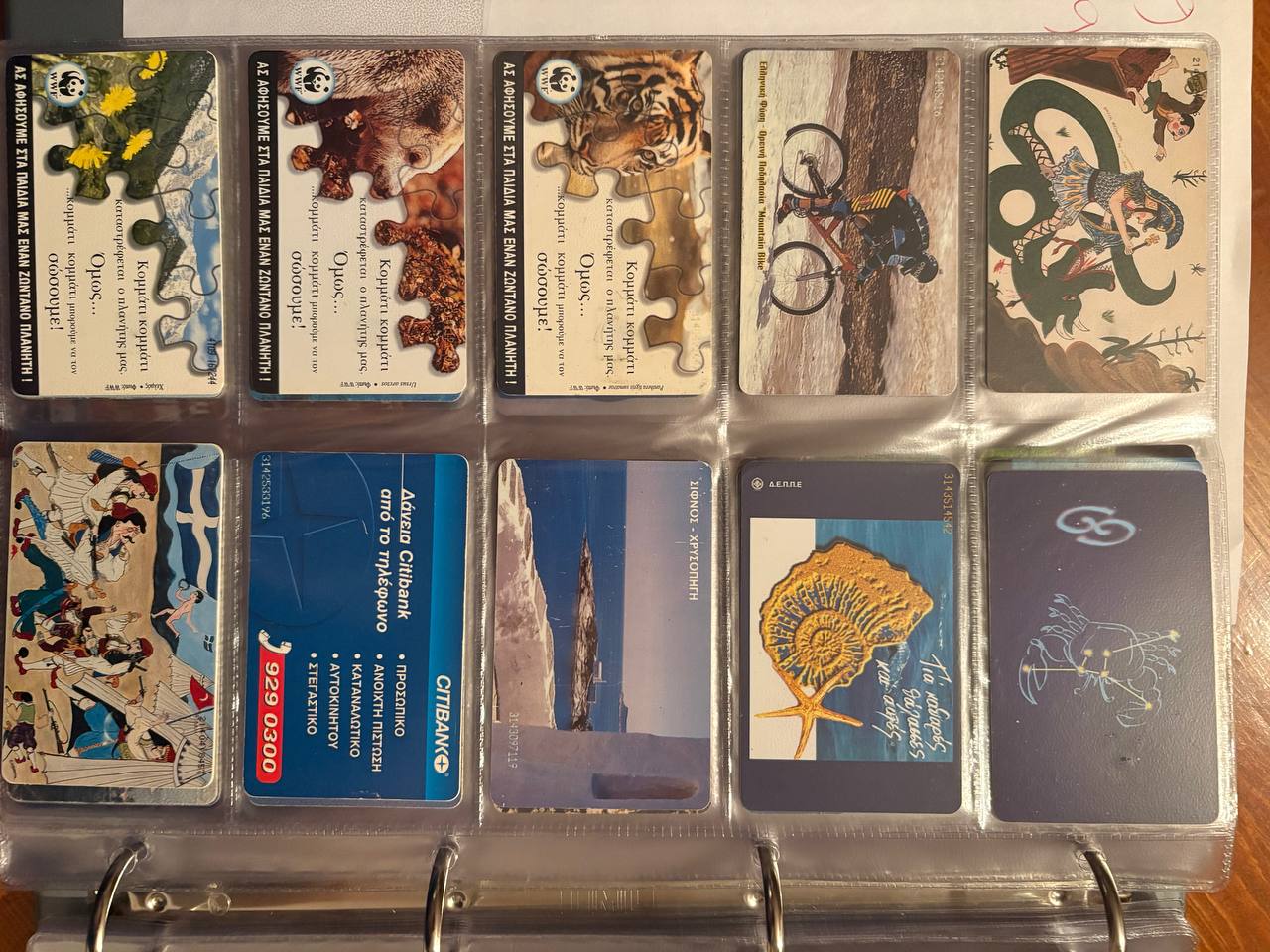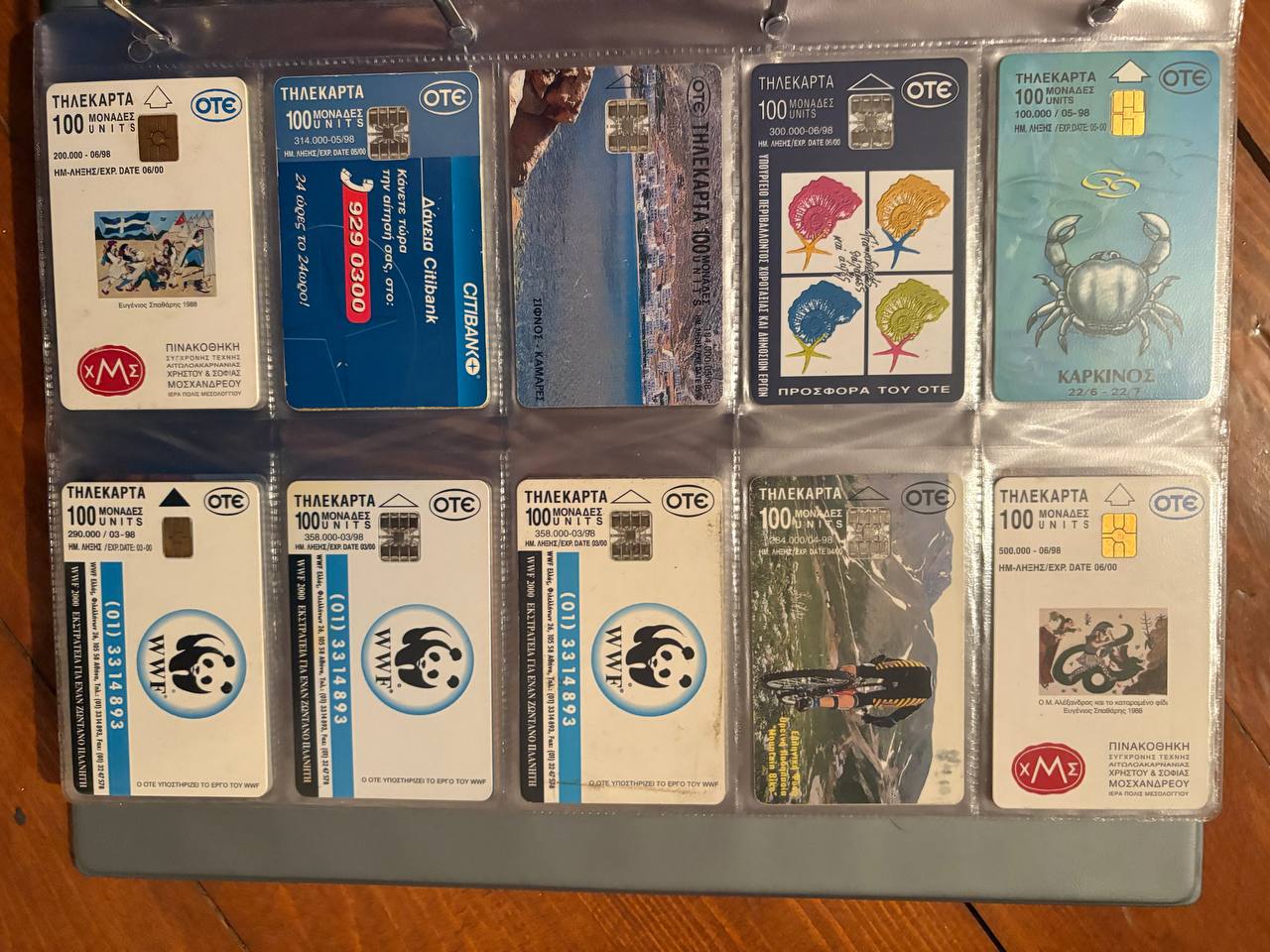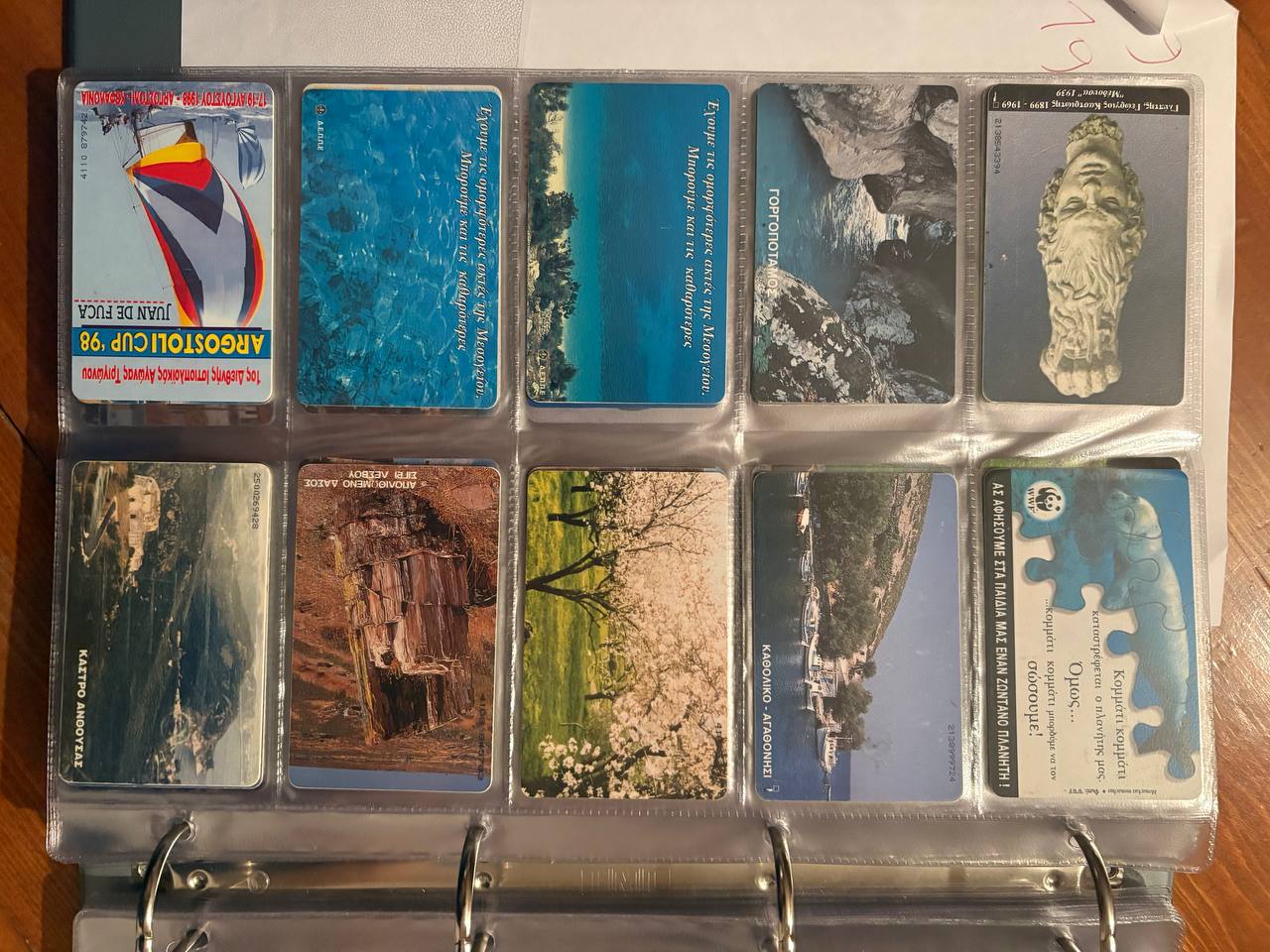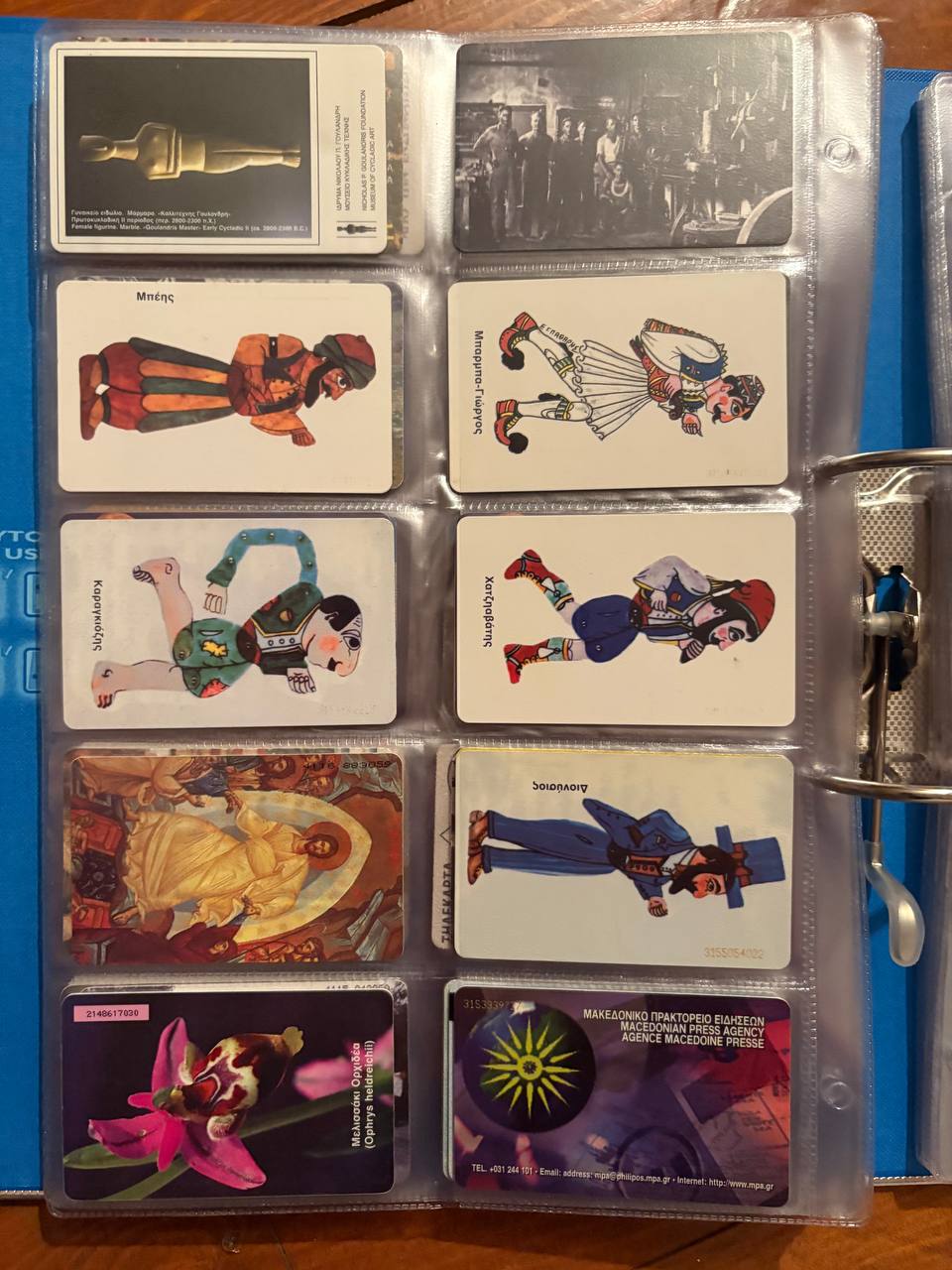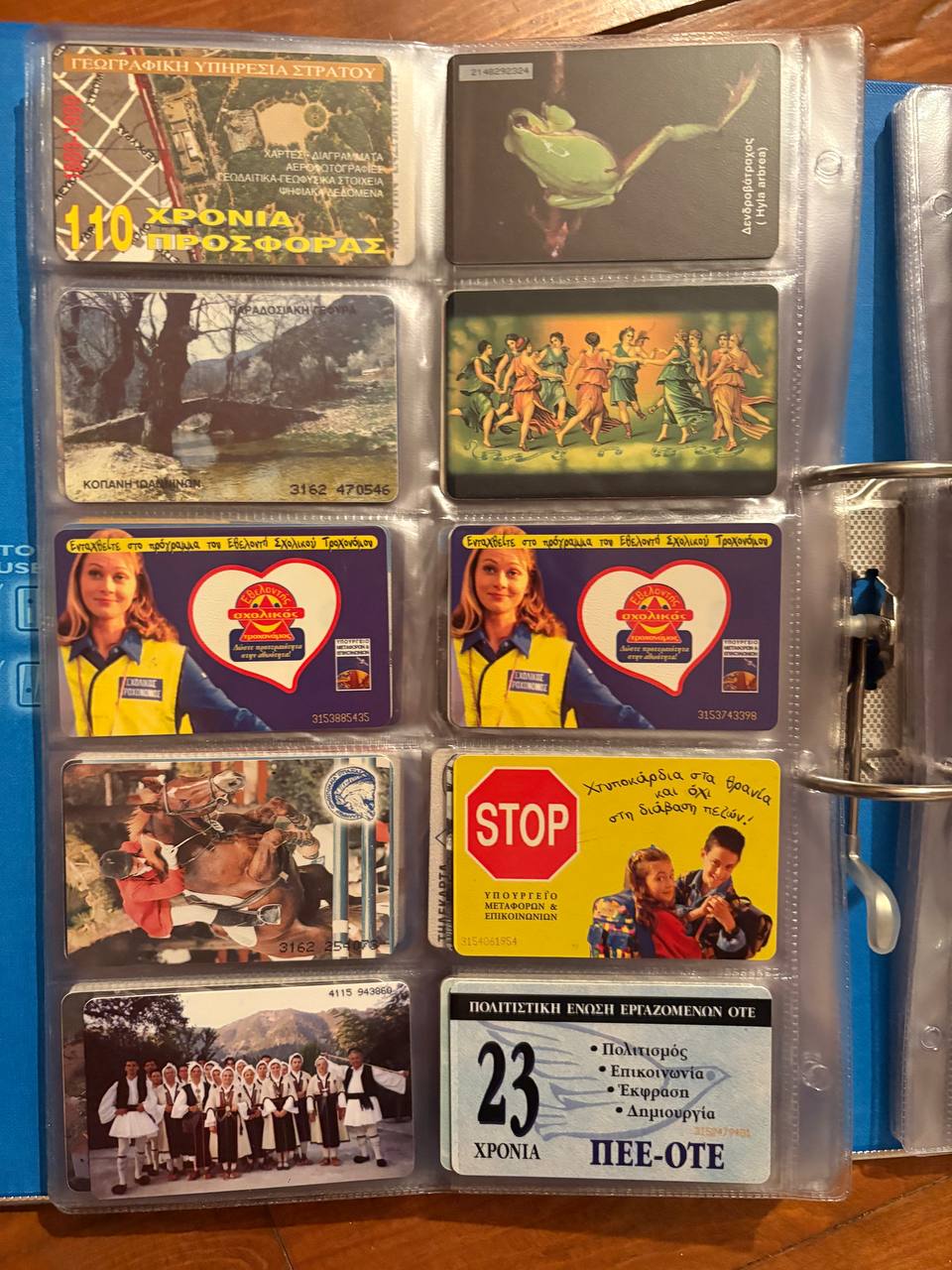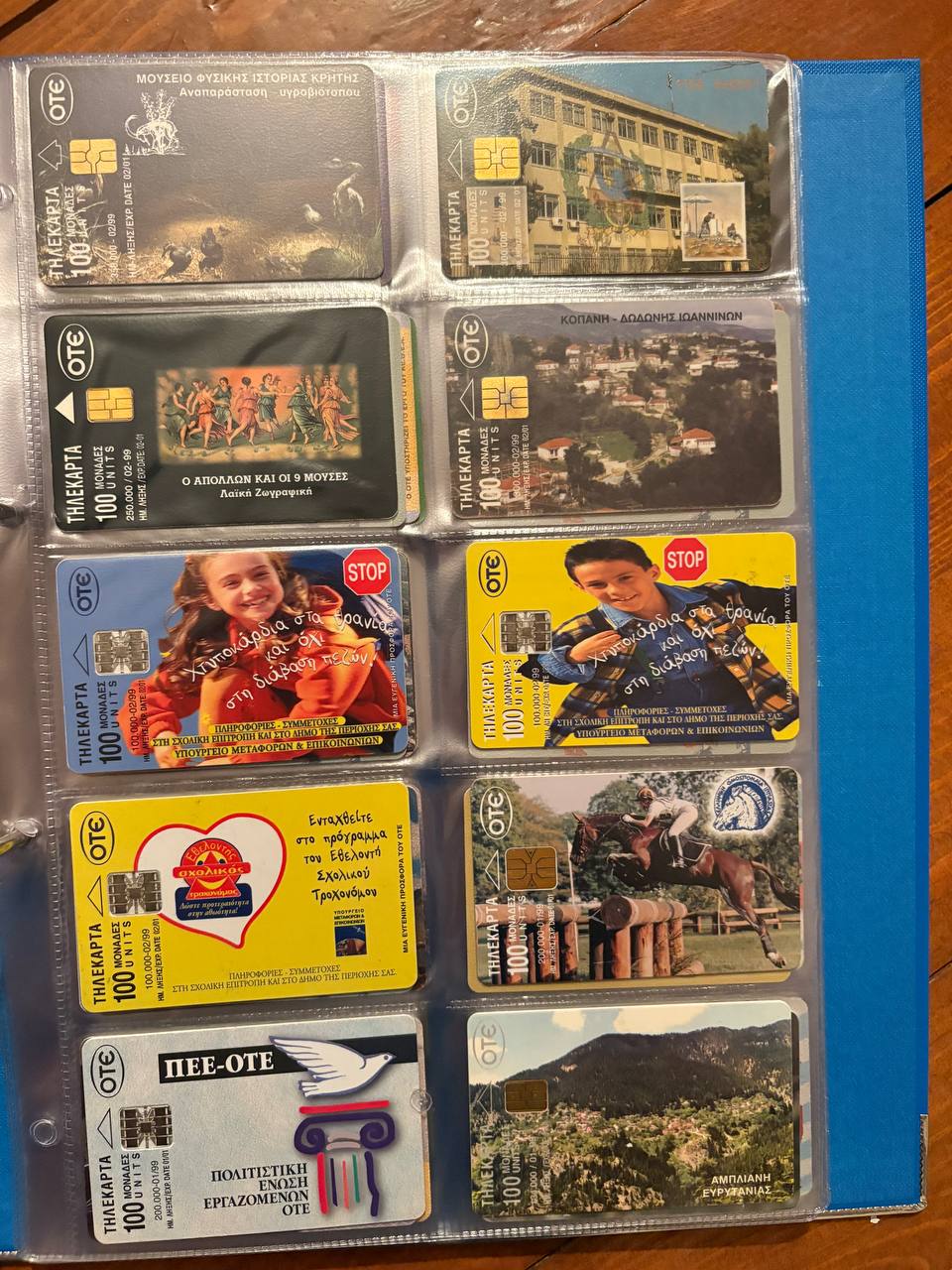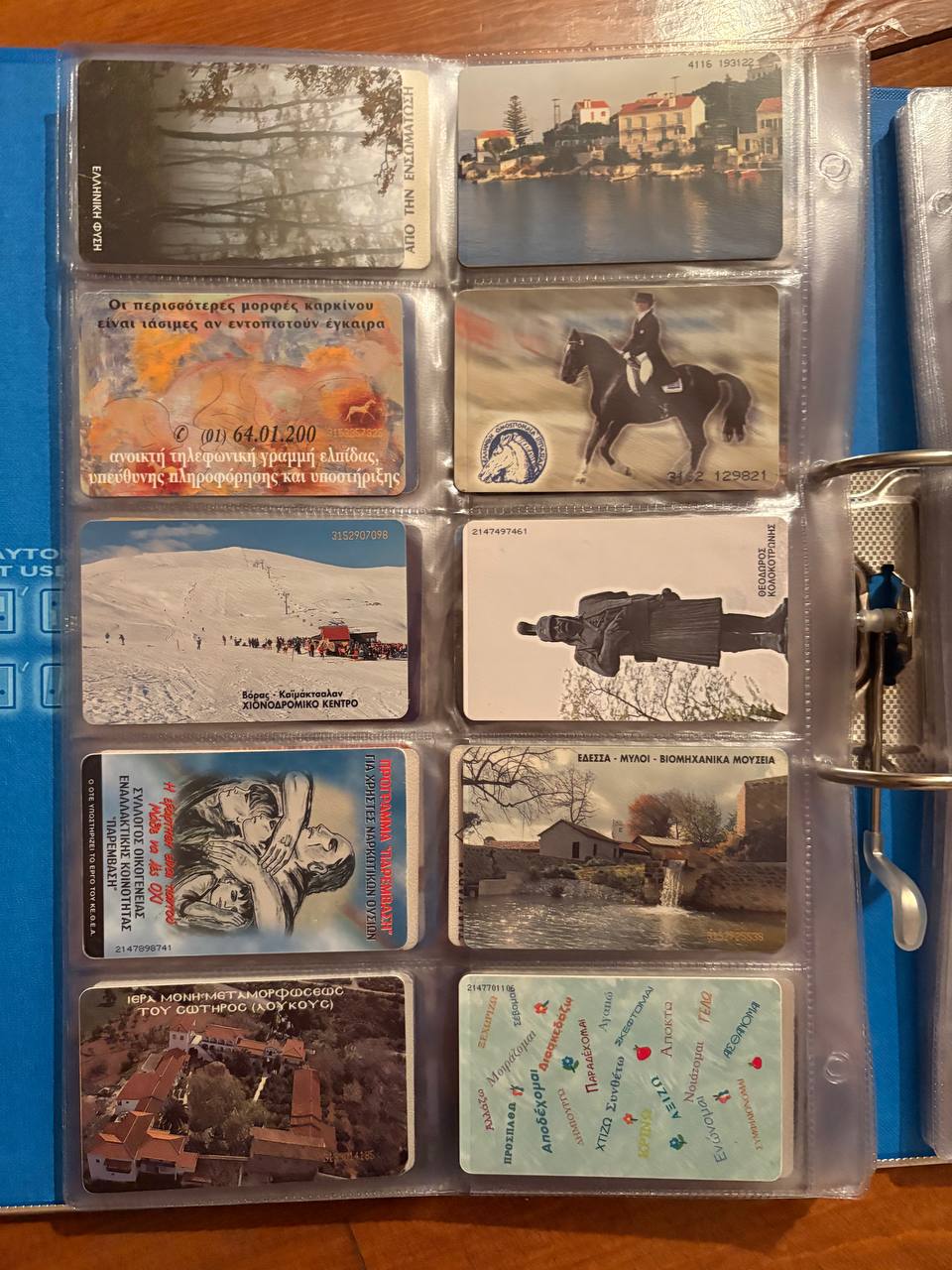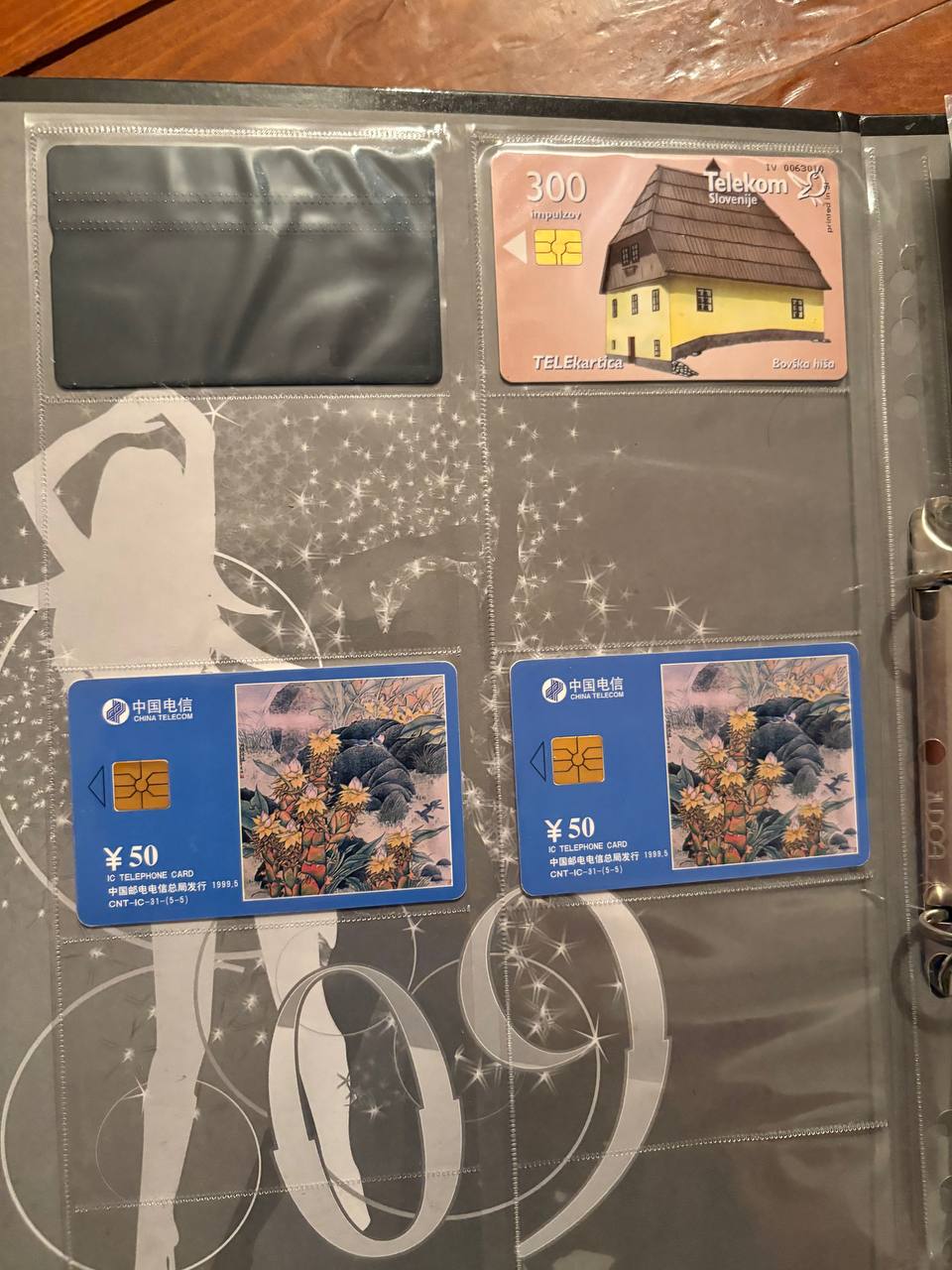
Phonecards
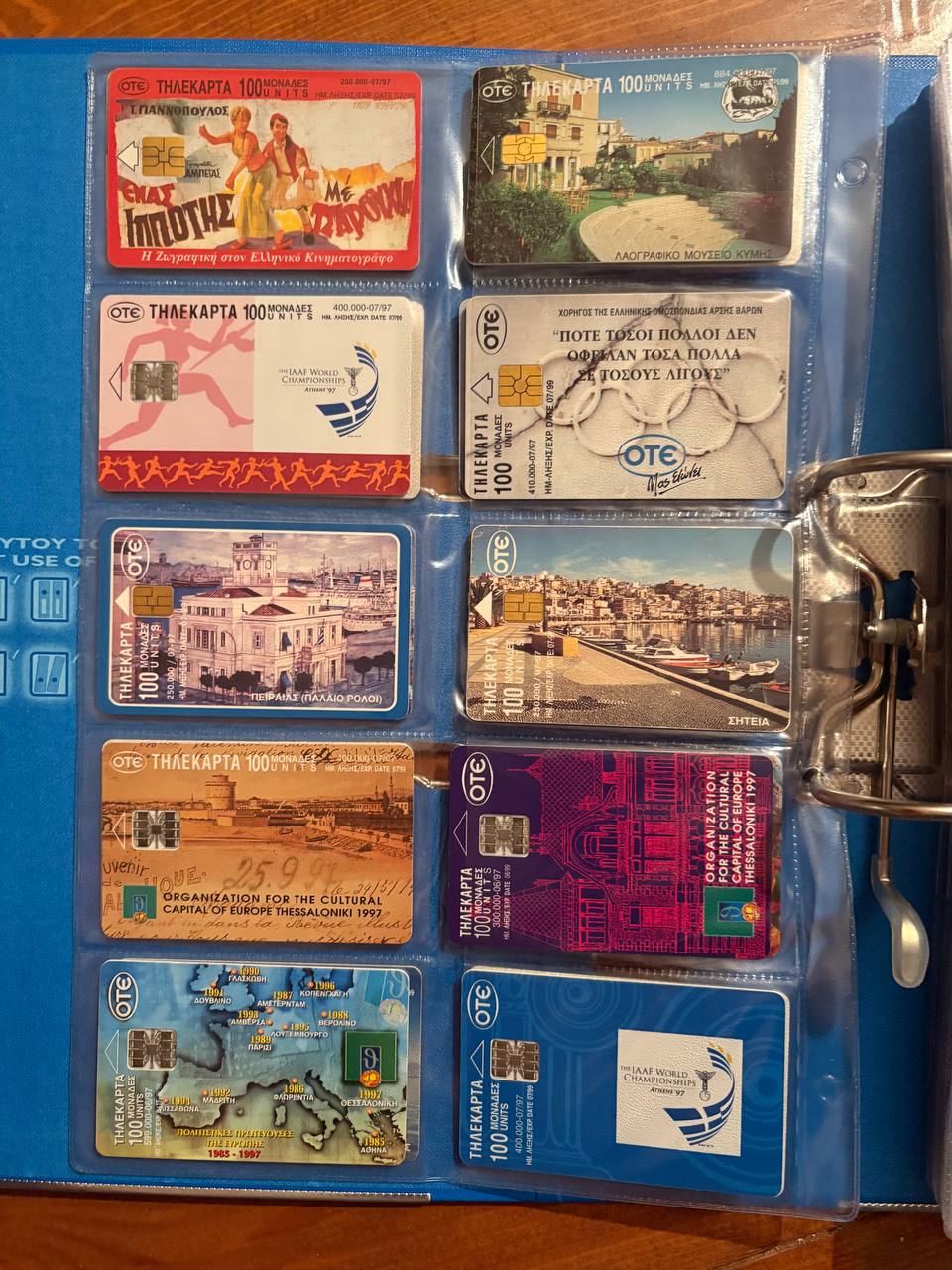
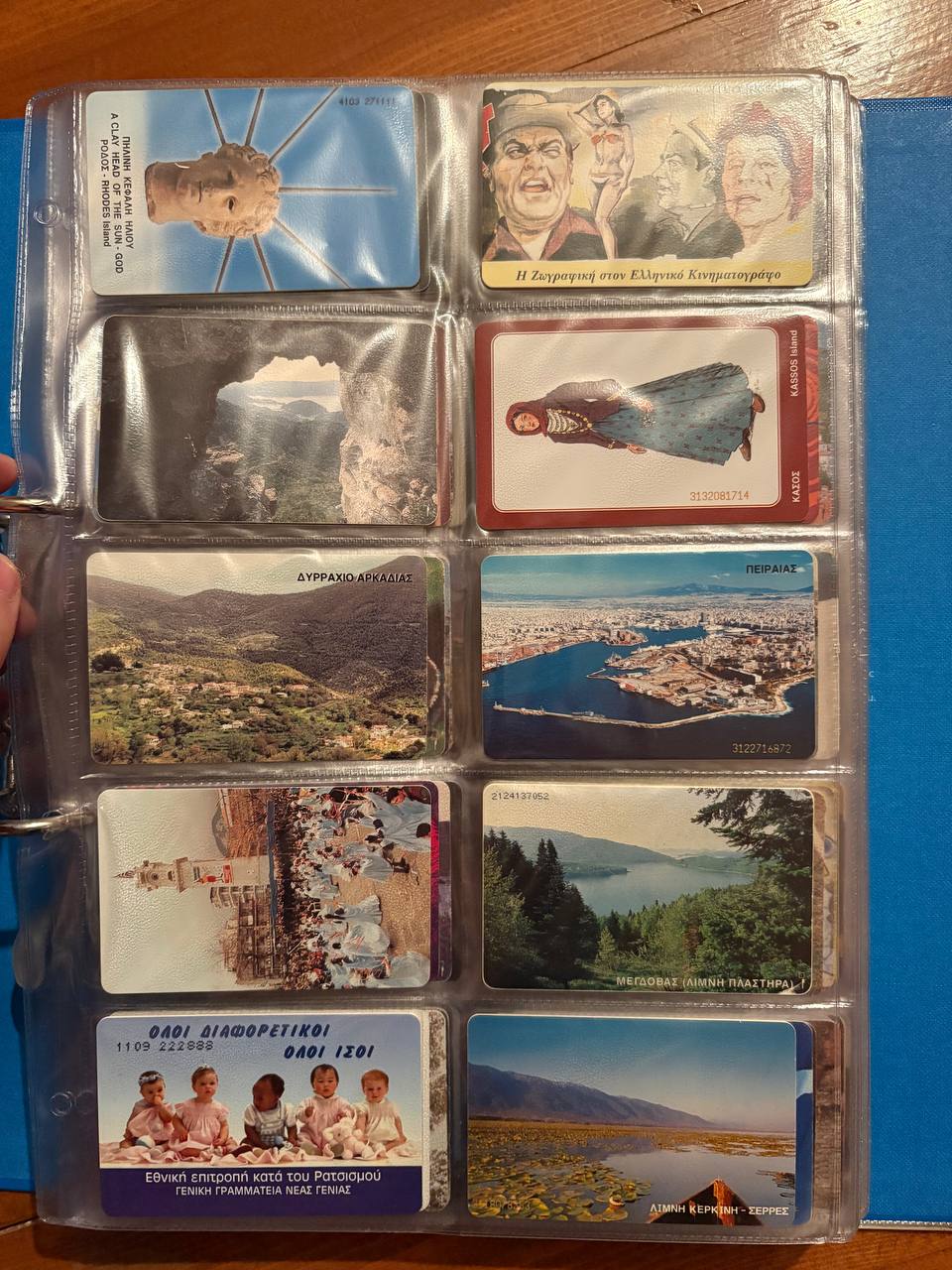
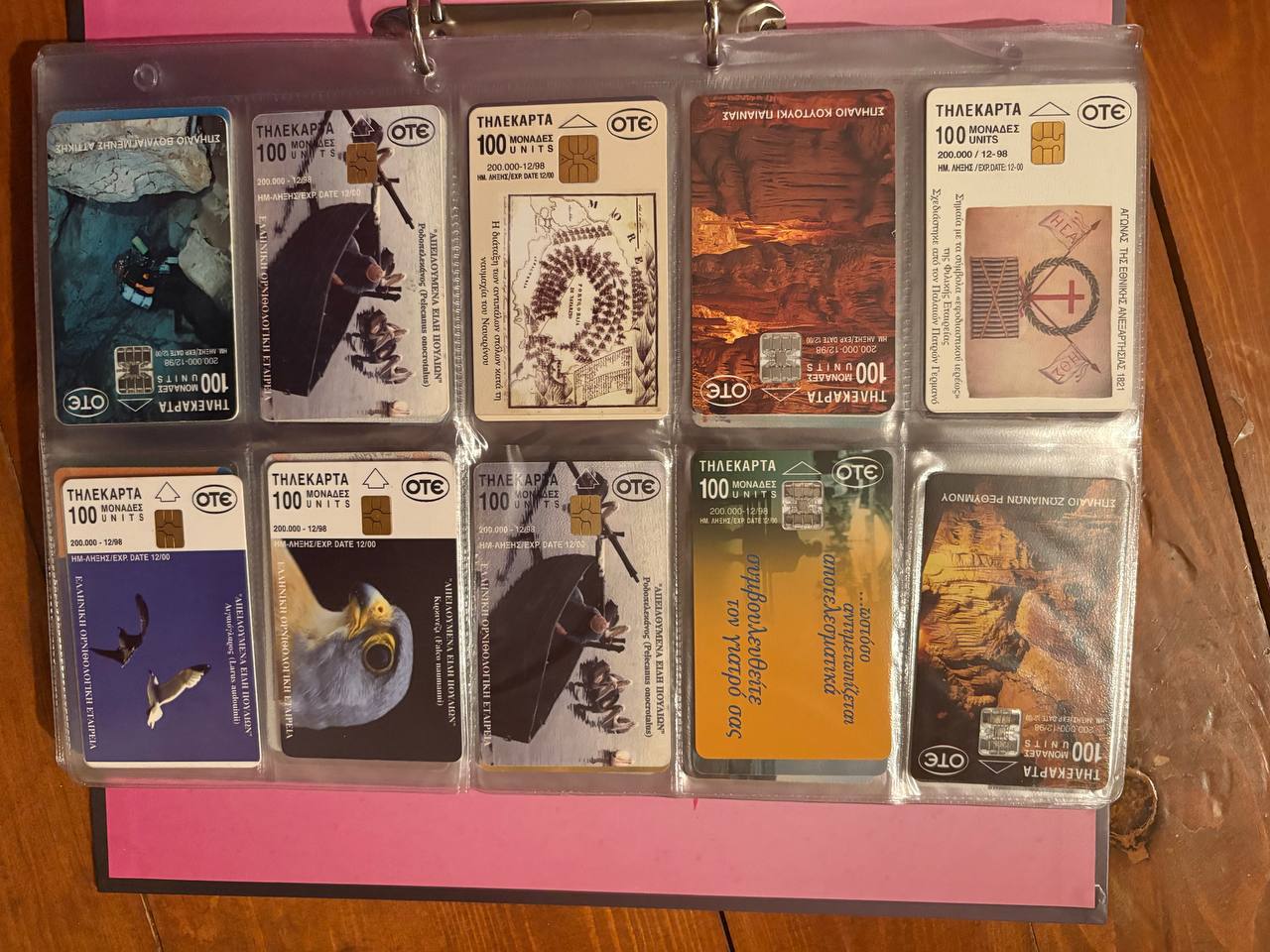
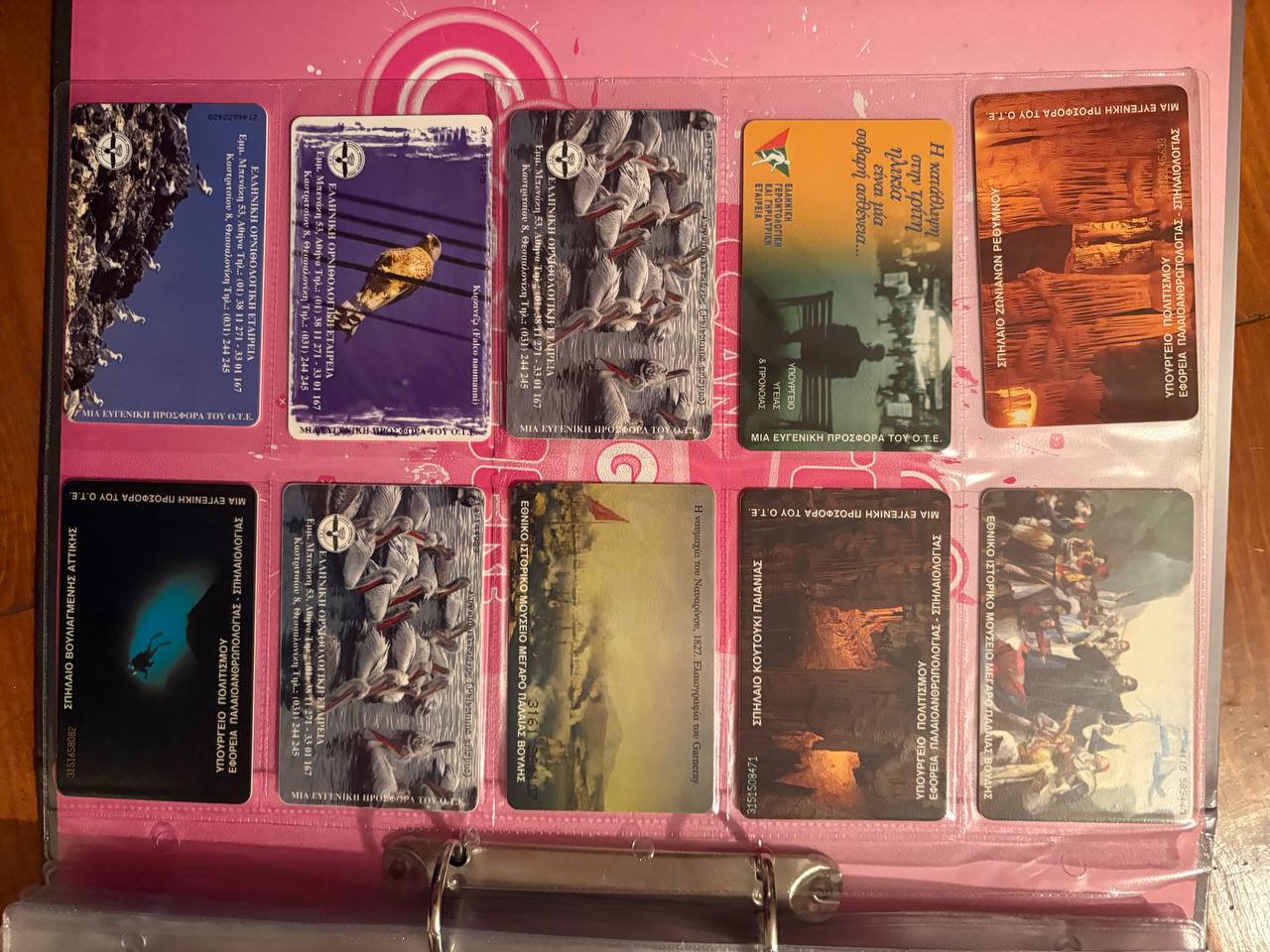
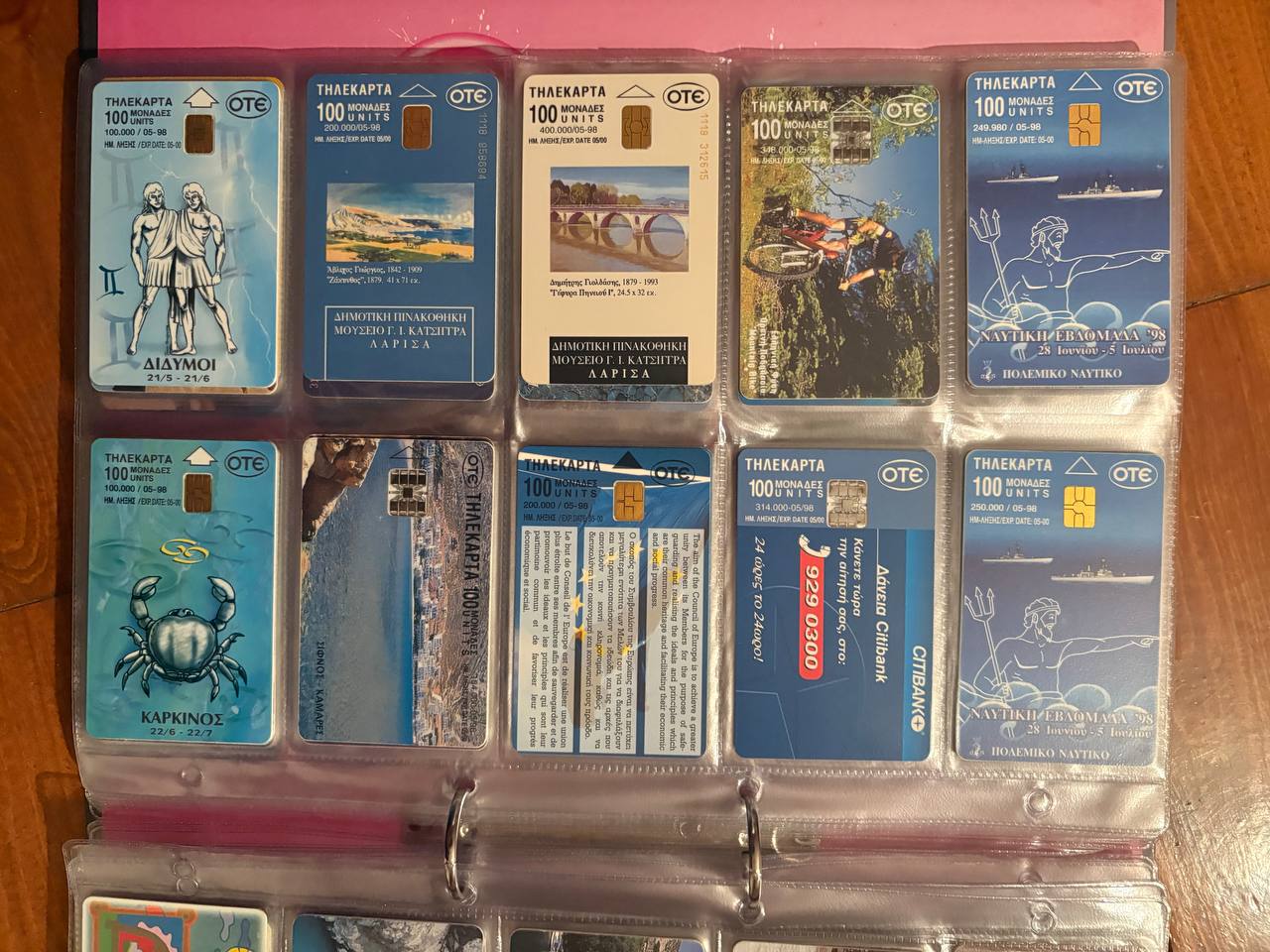
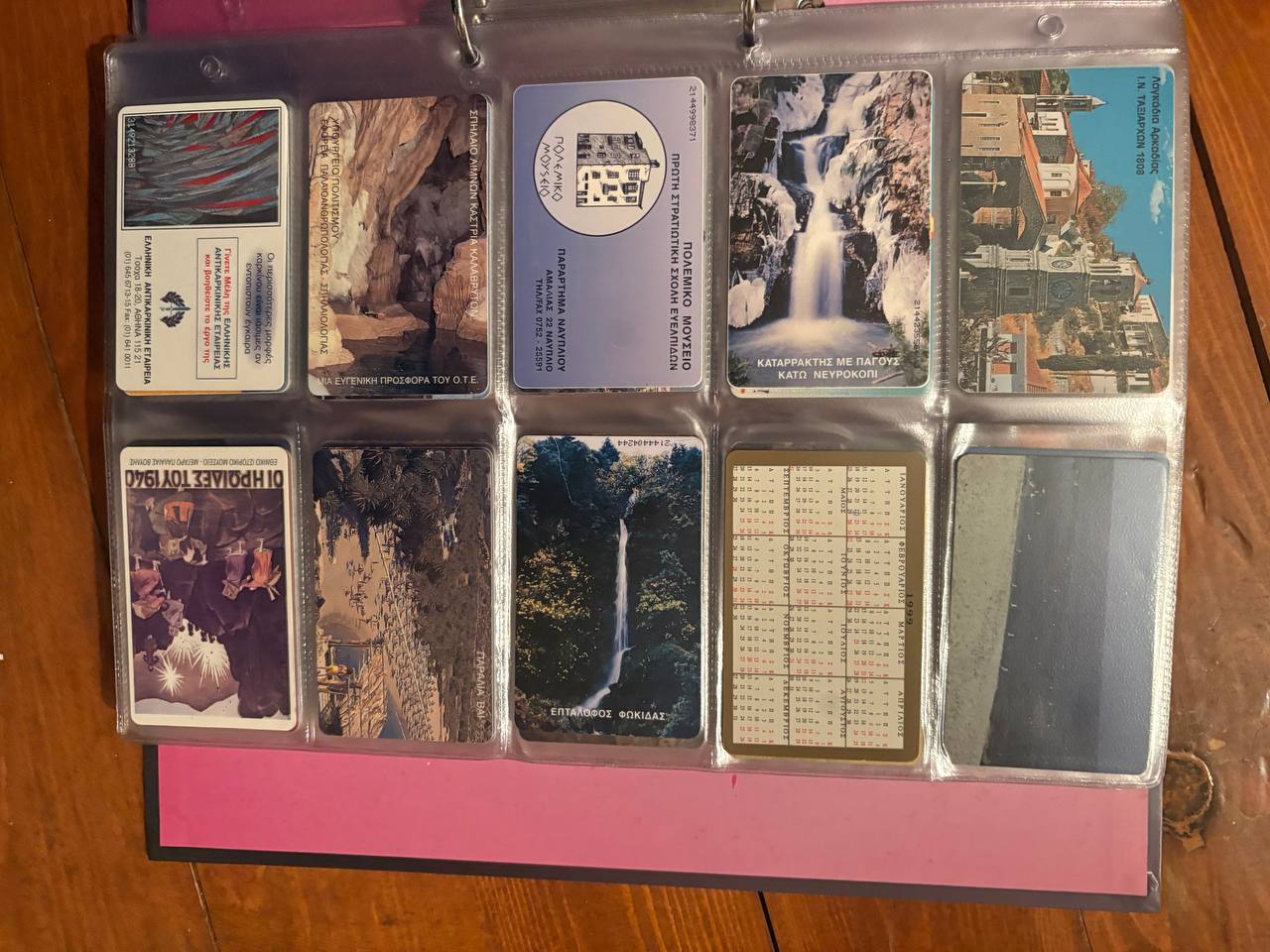
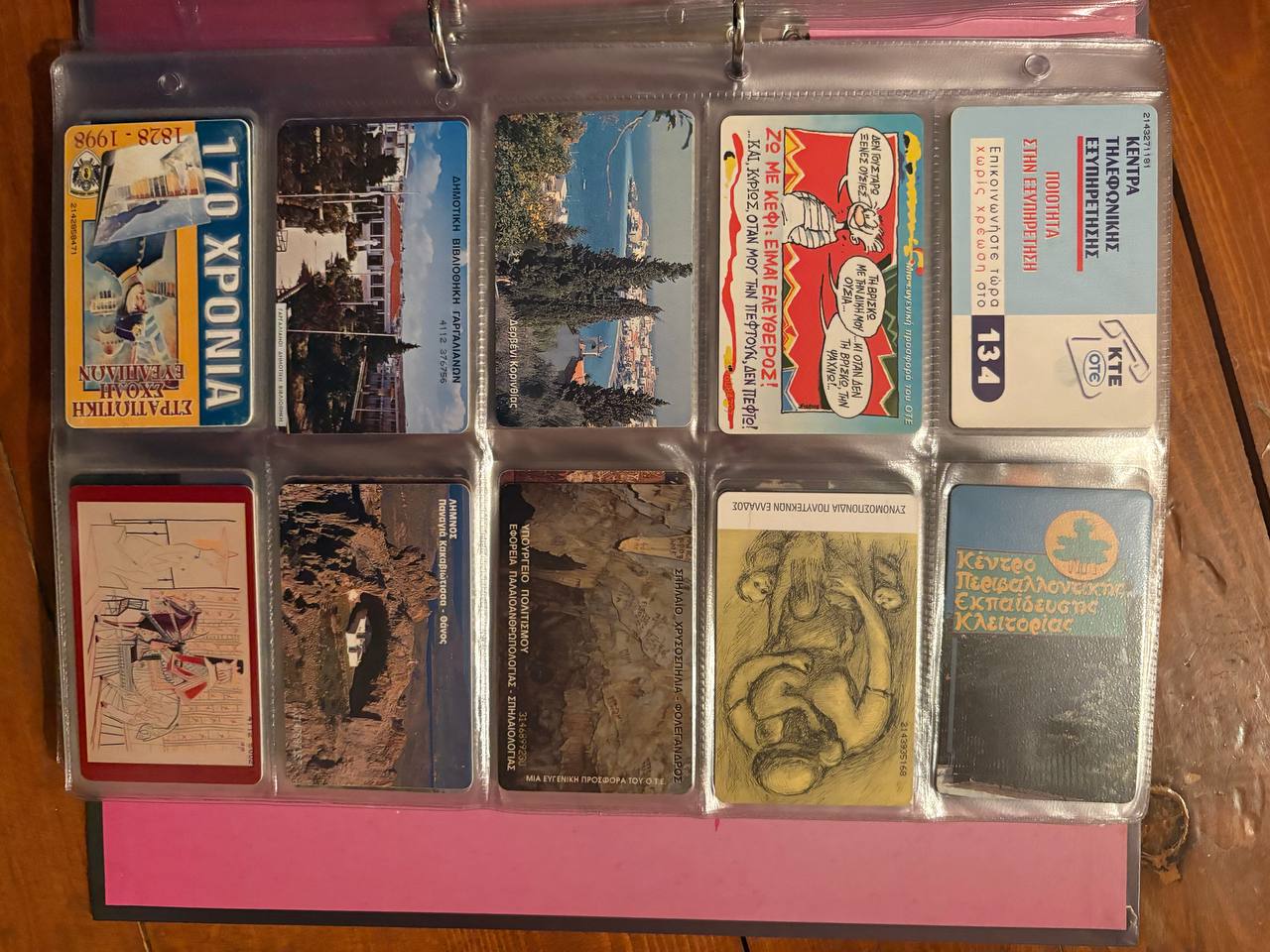
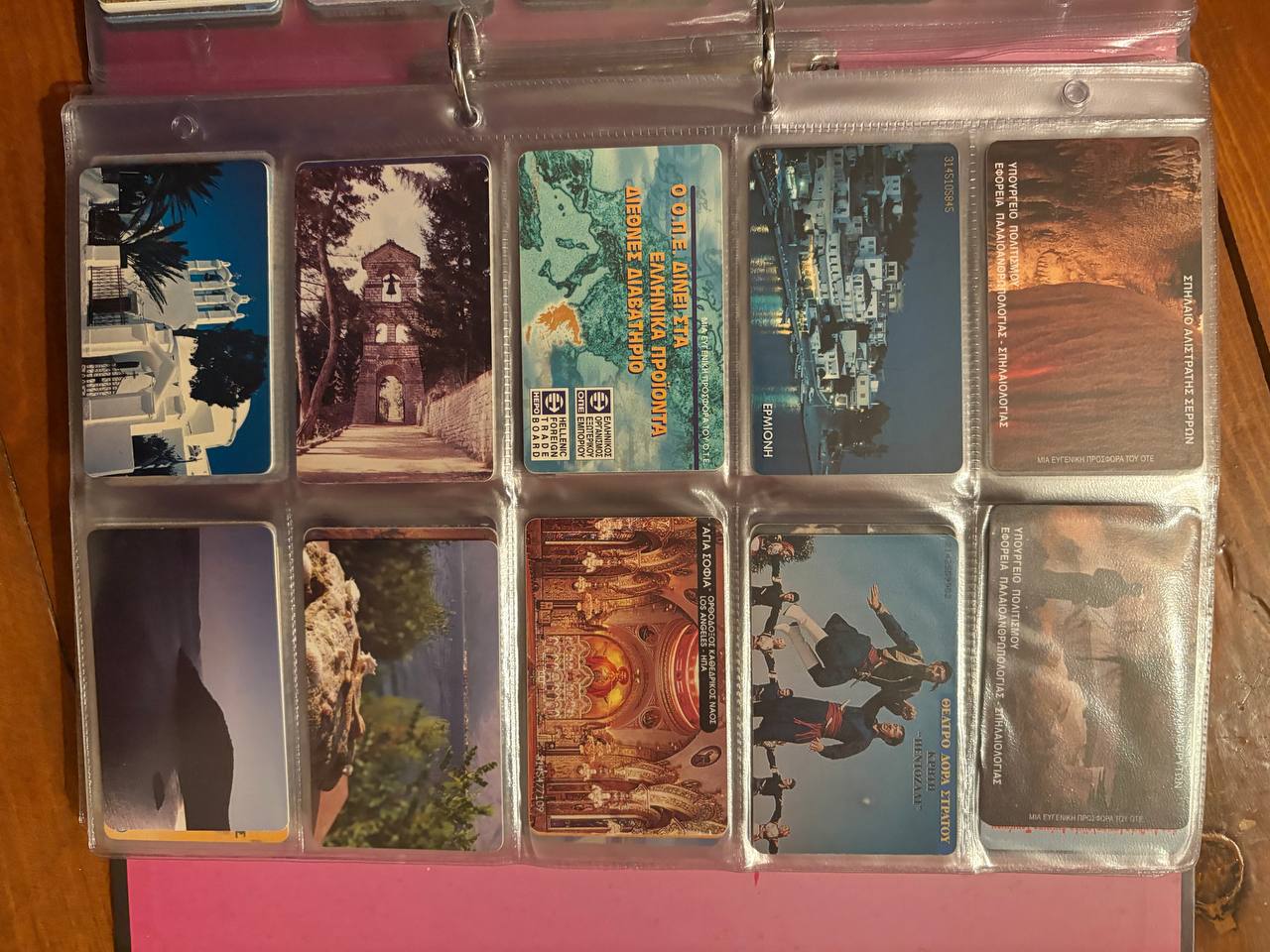
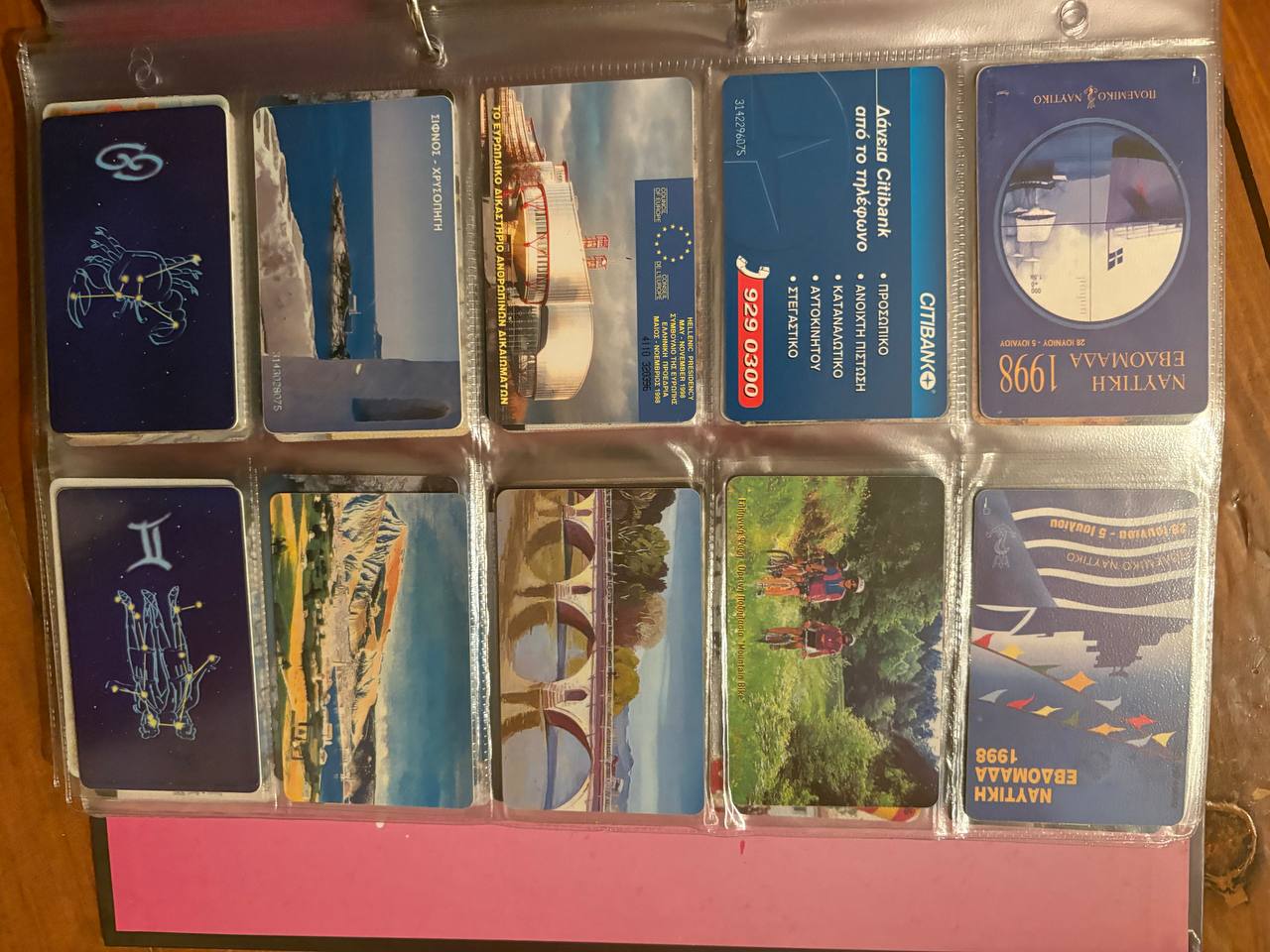
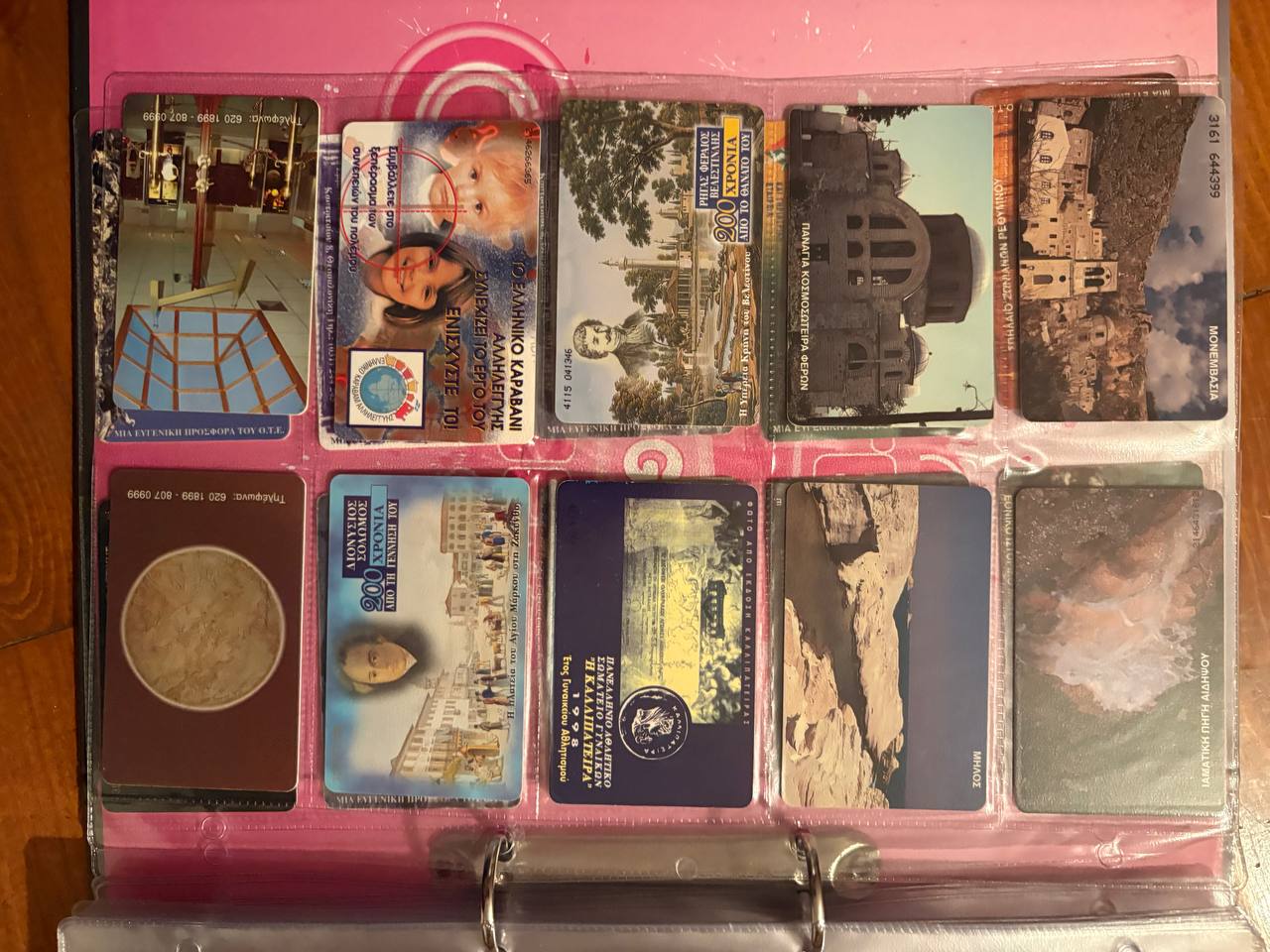
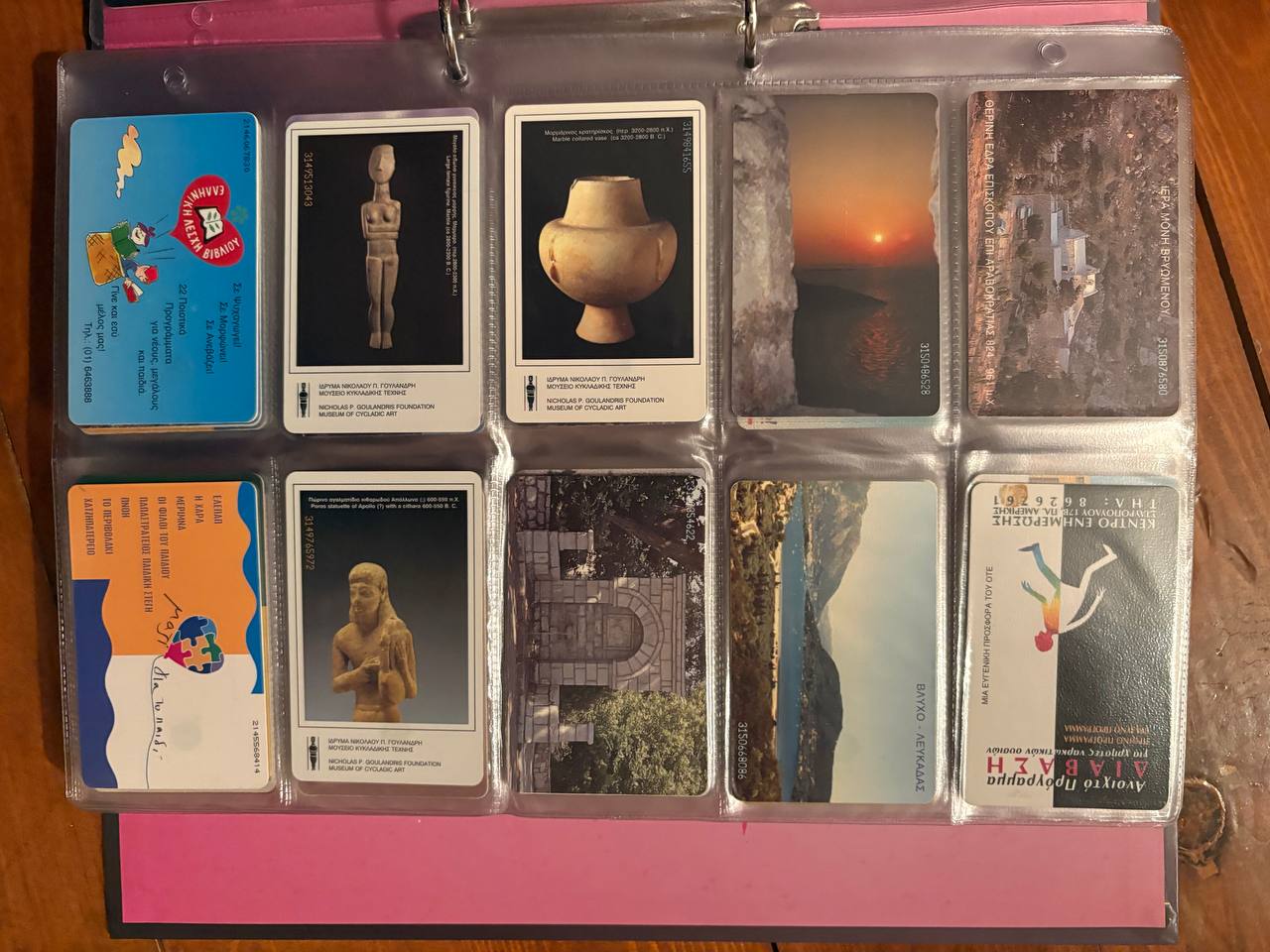
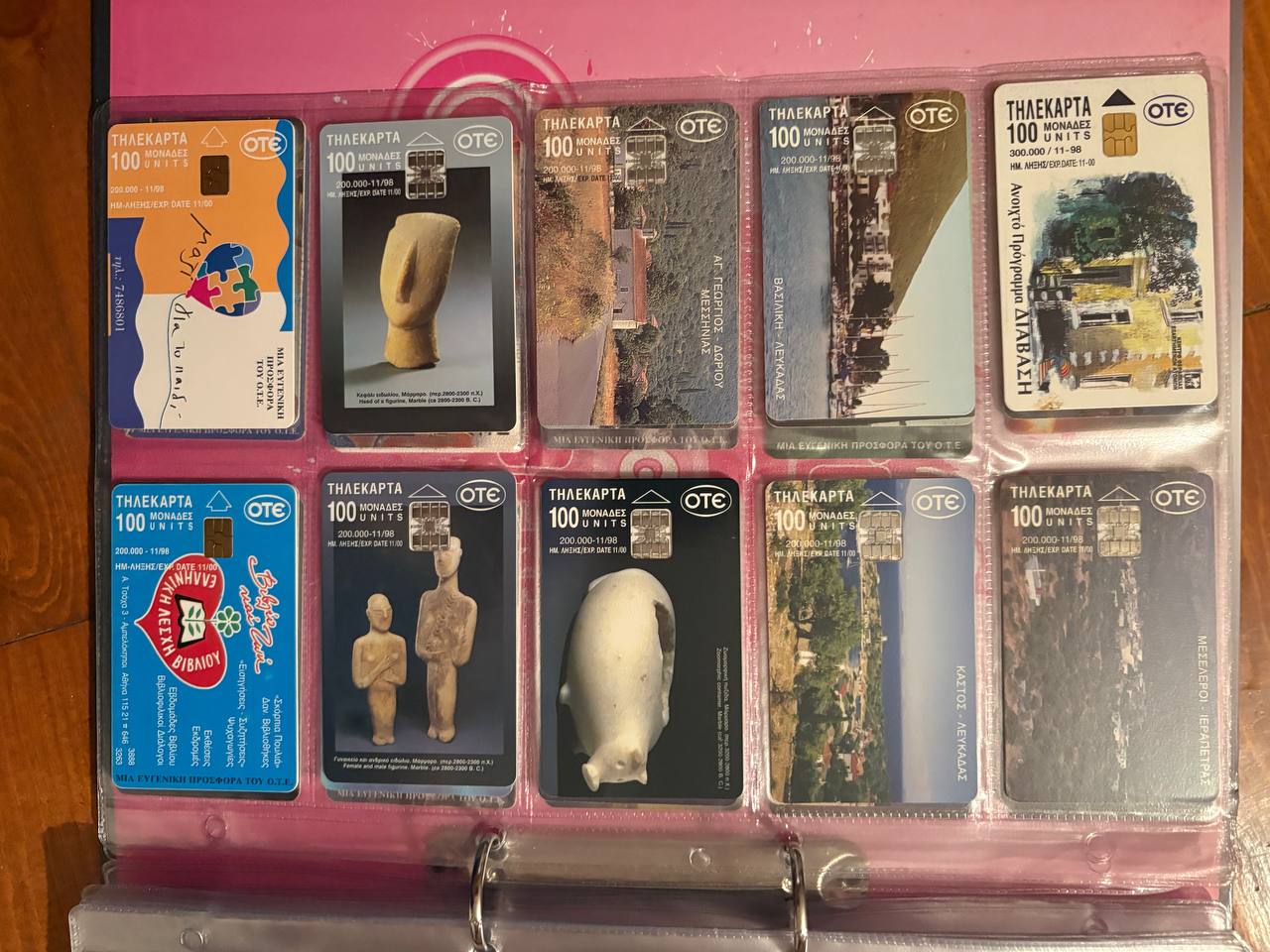
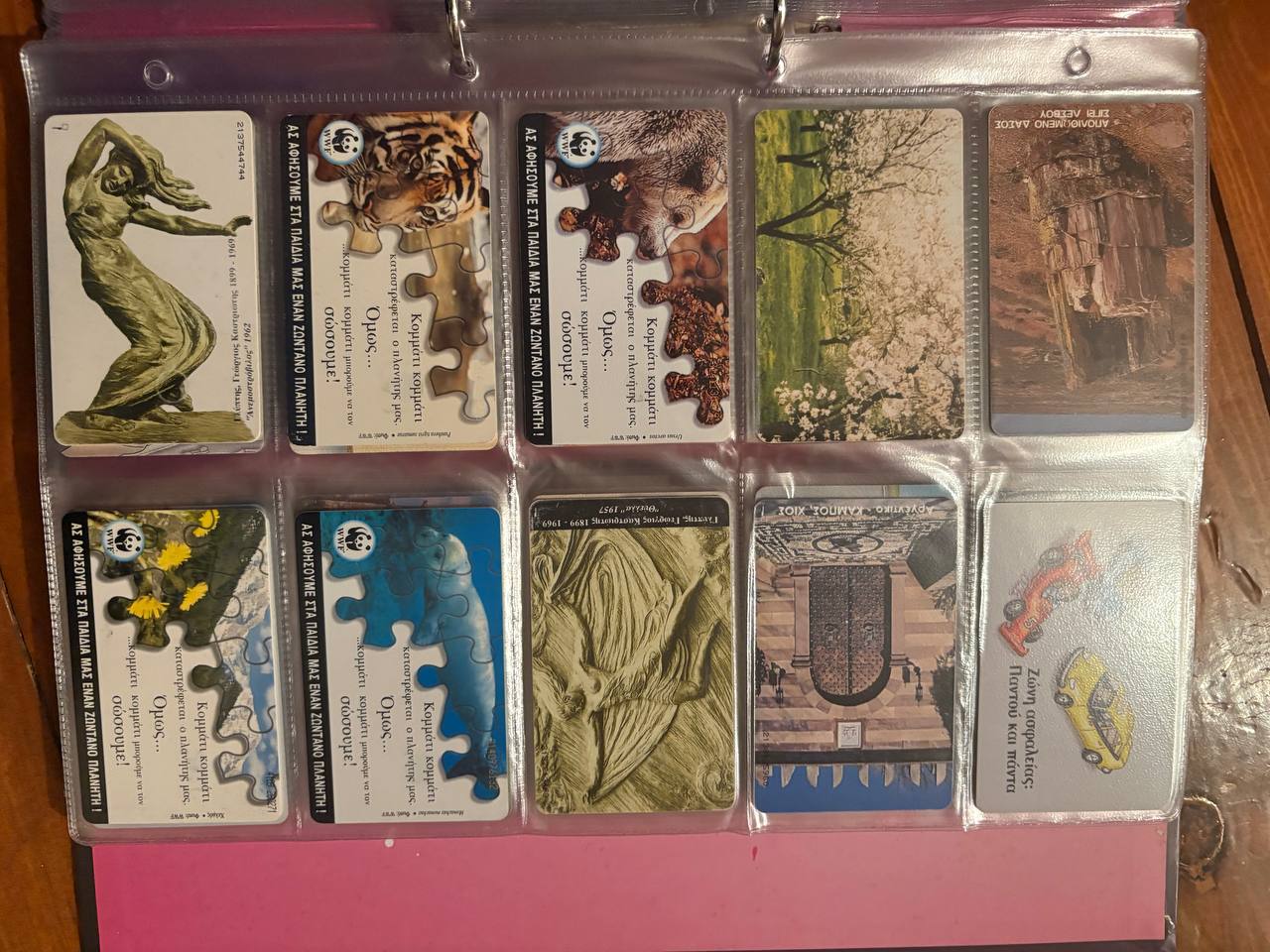
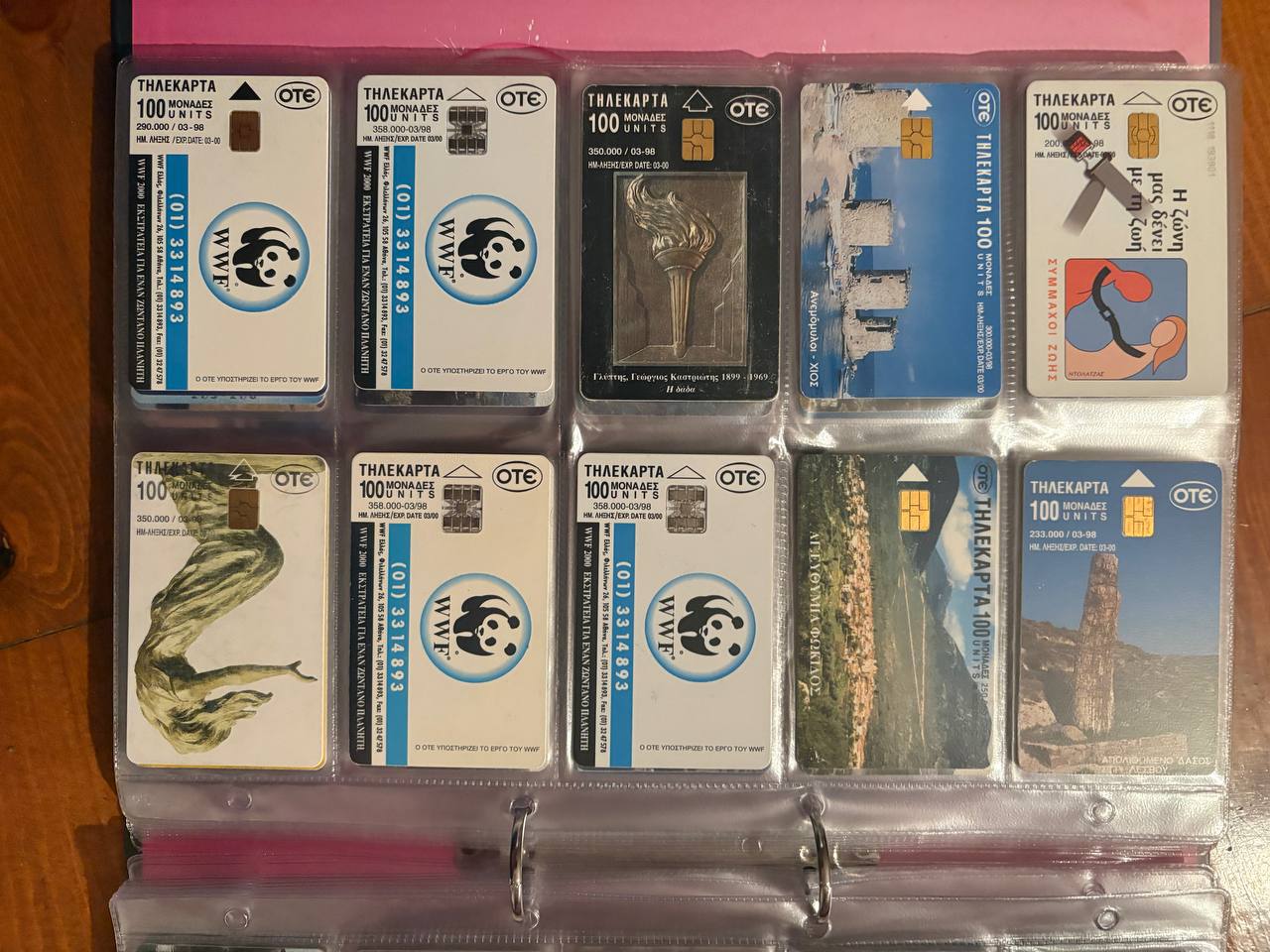
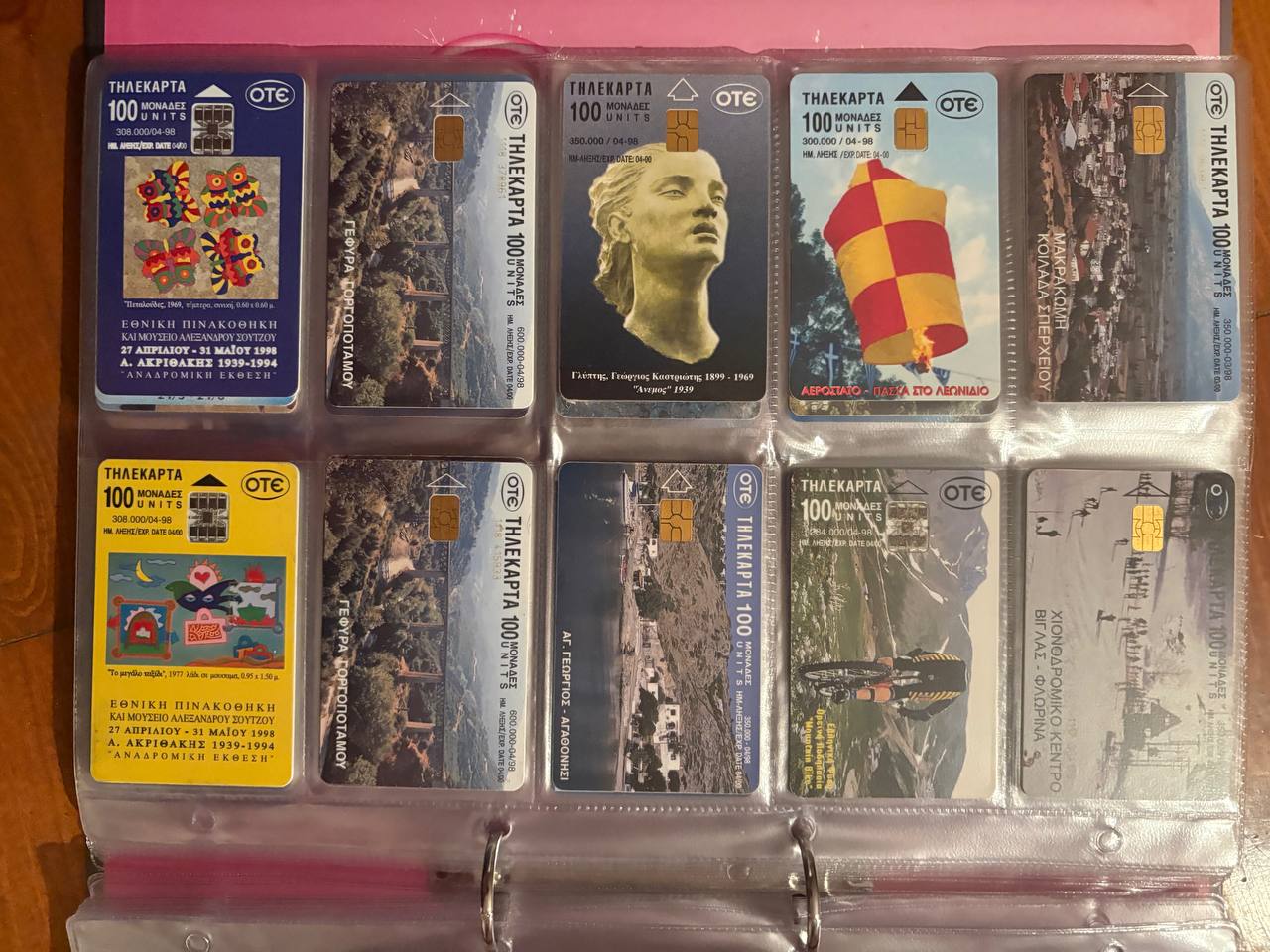
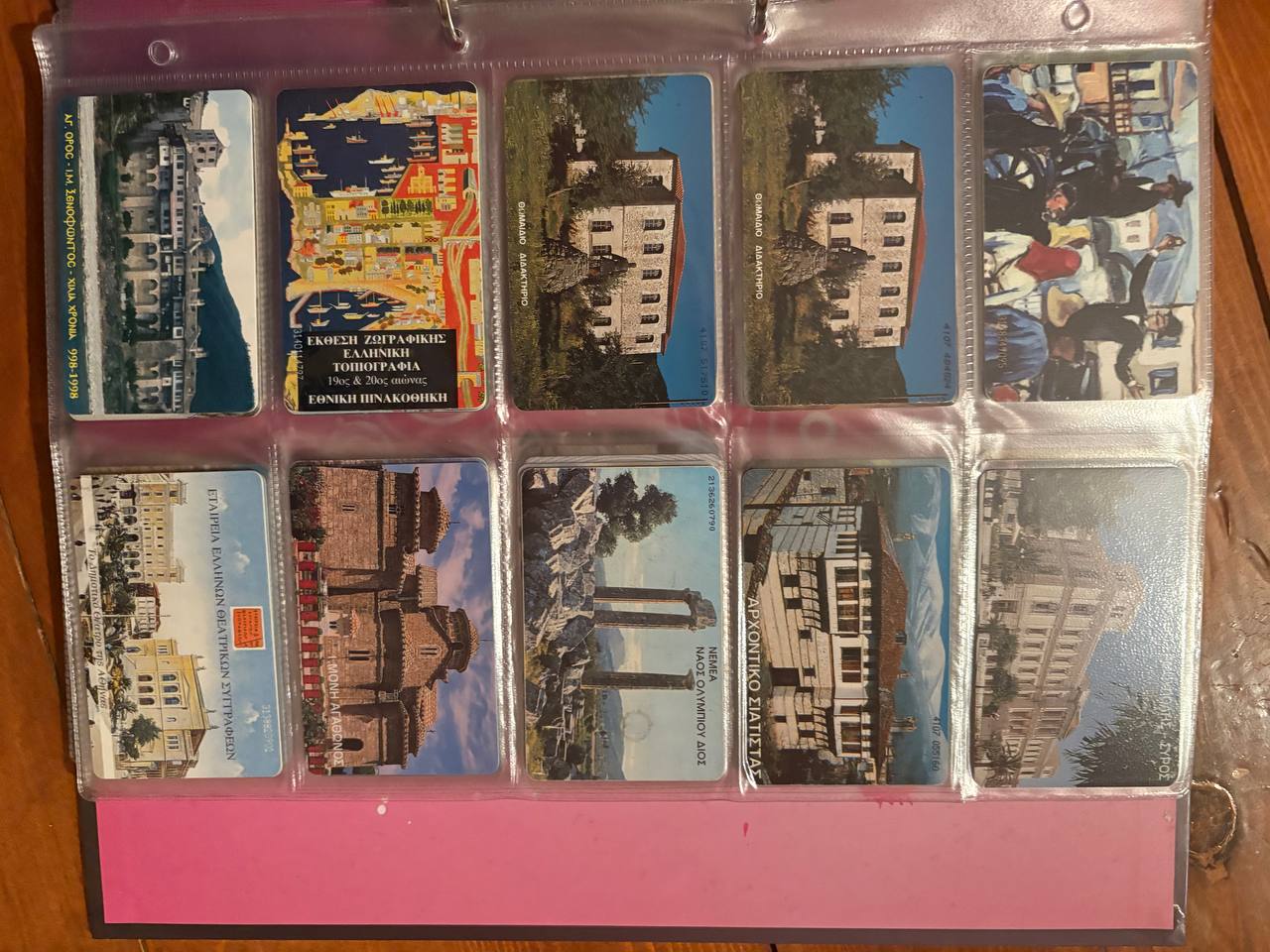
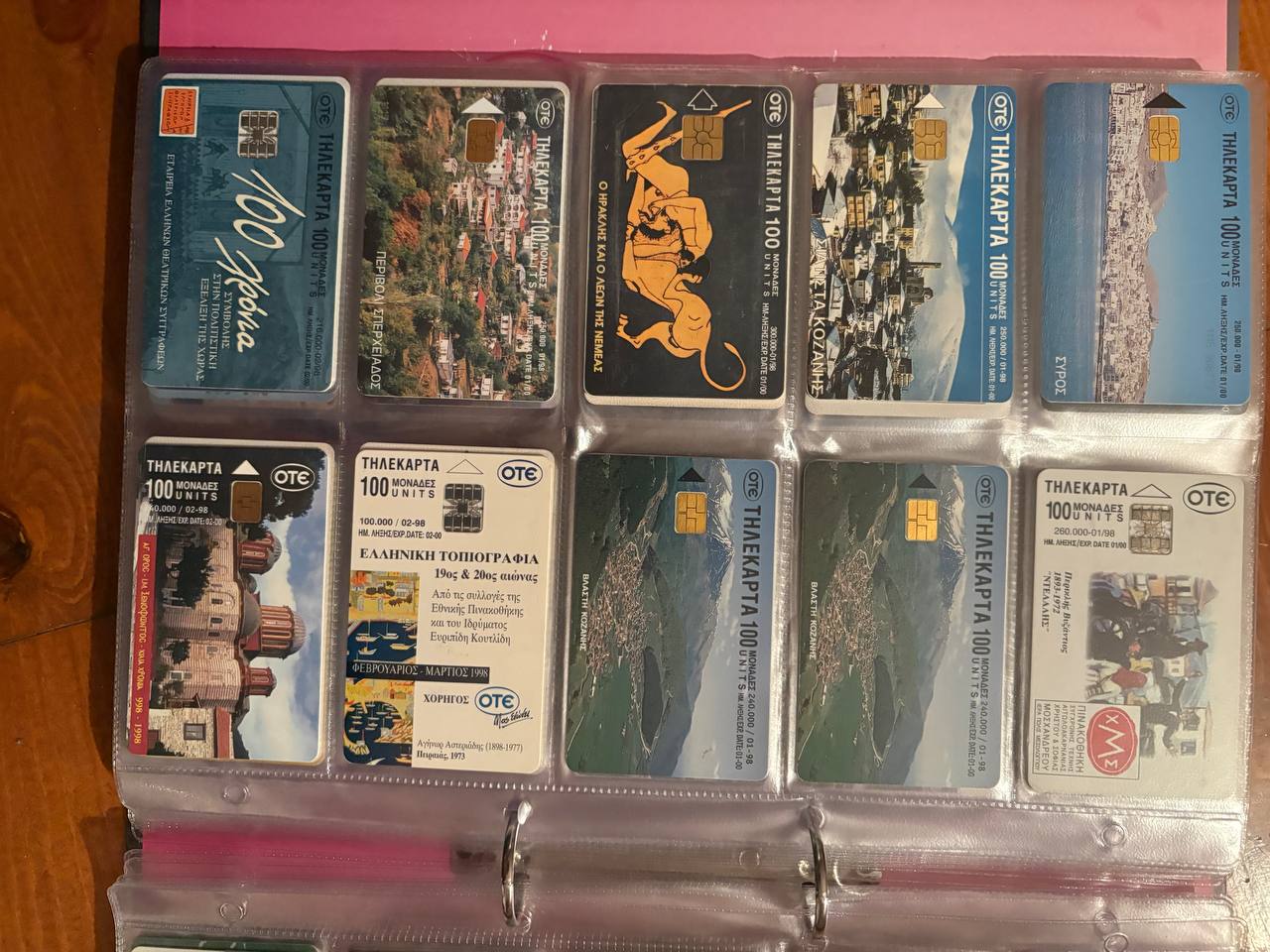
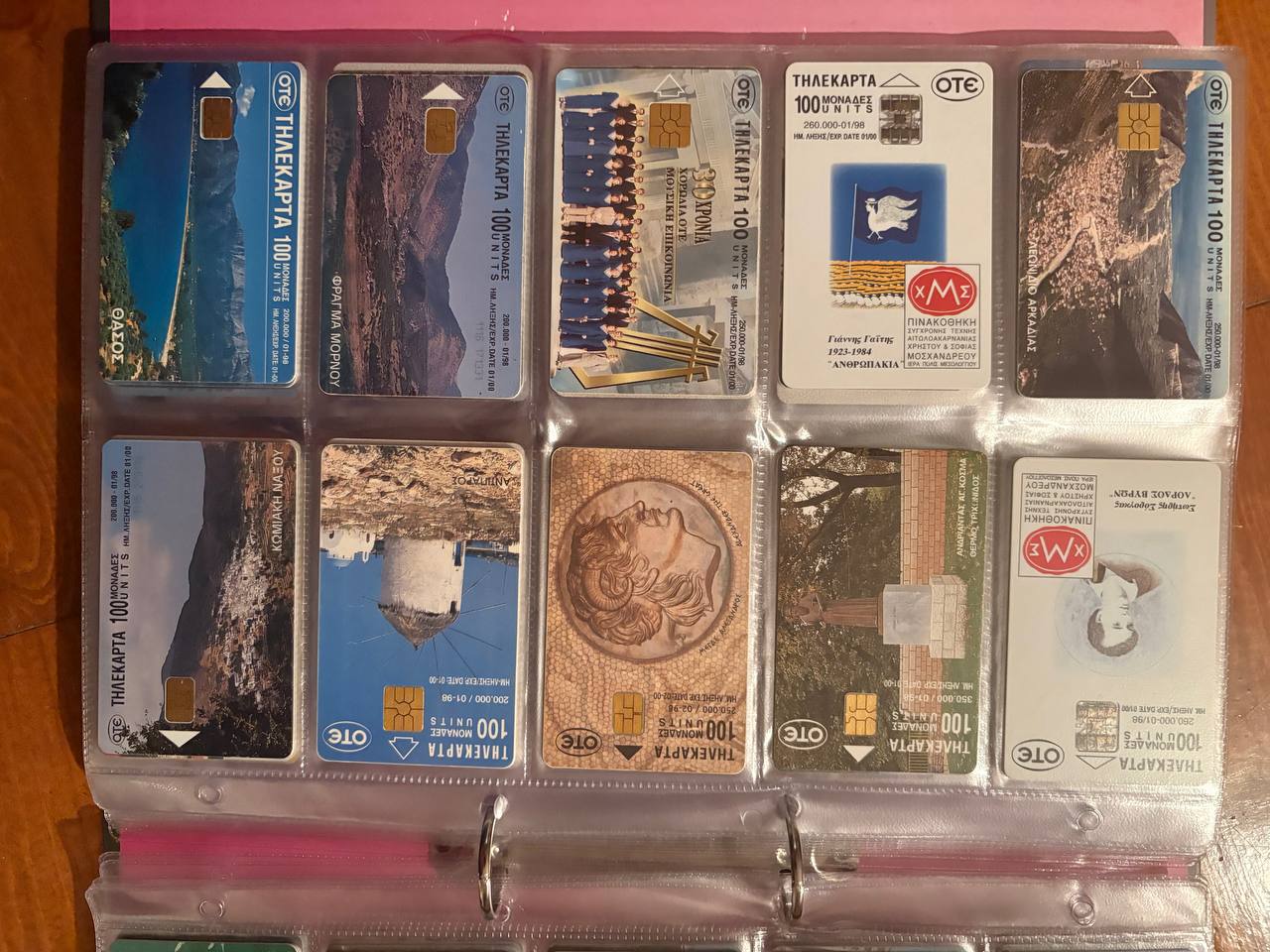
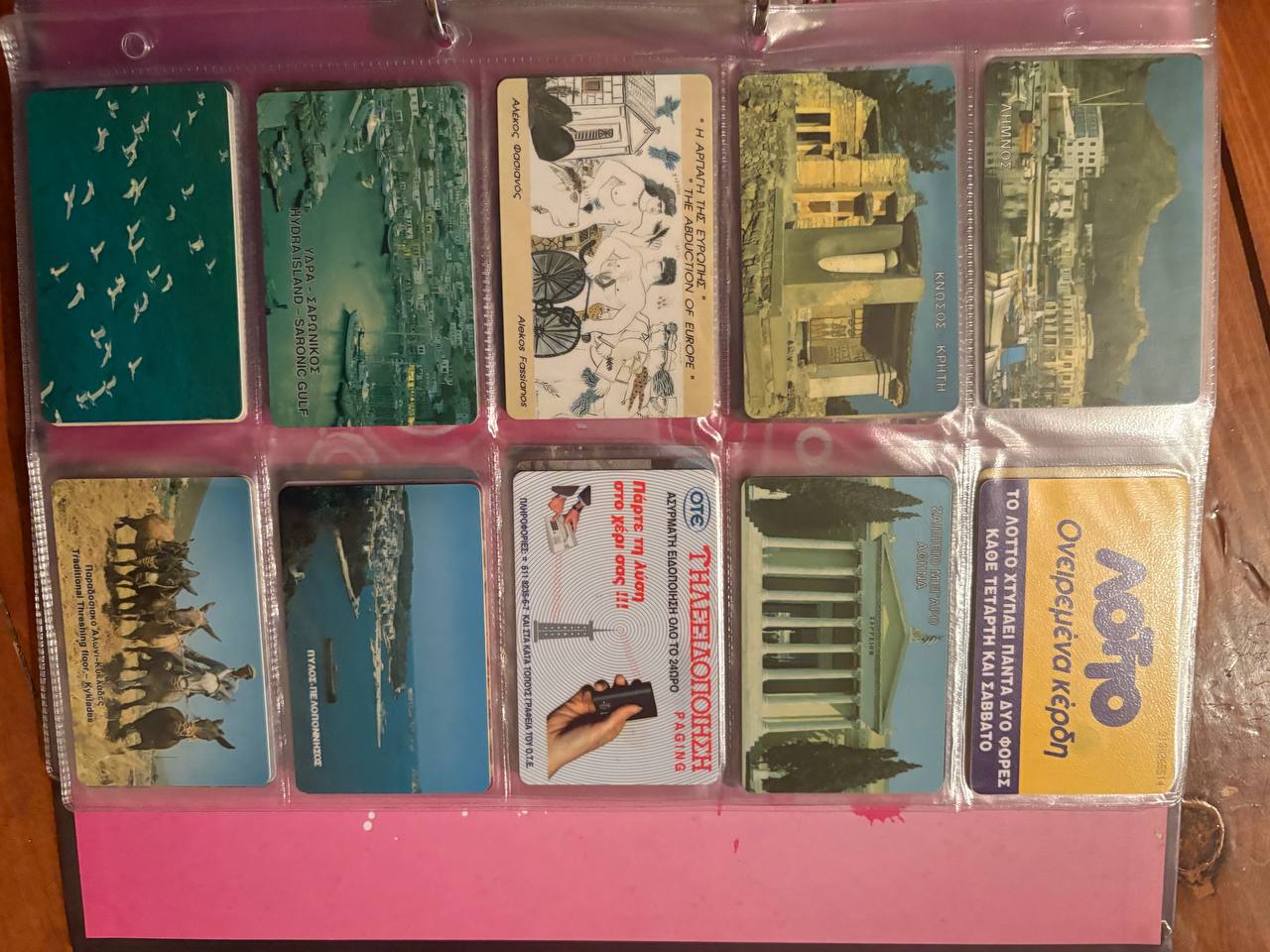
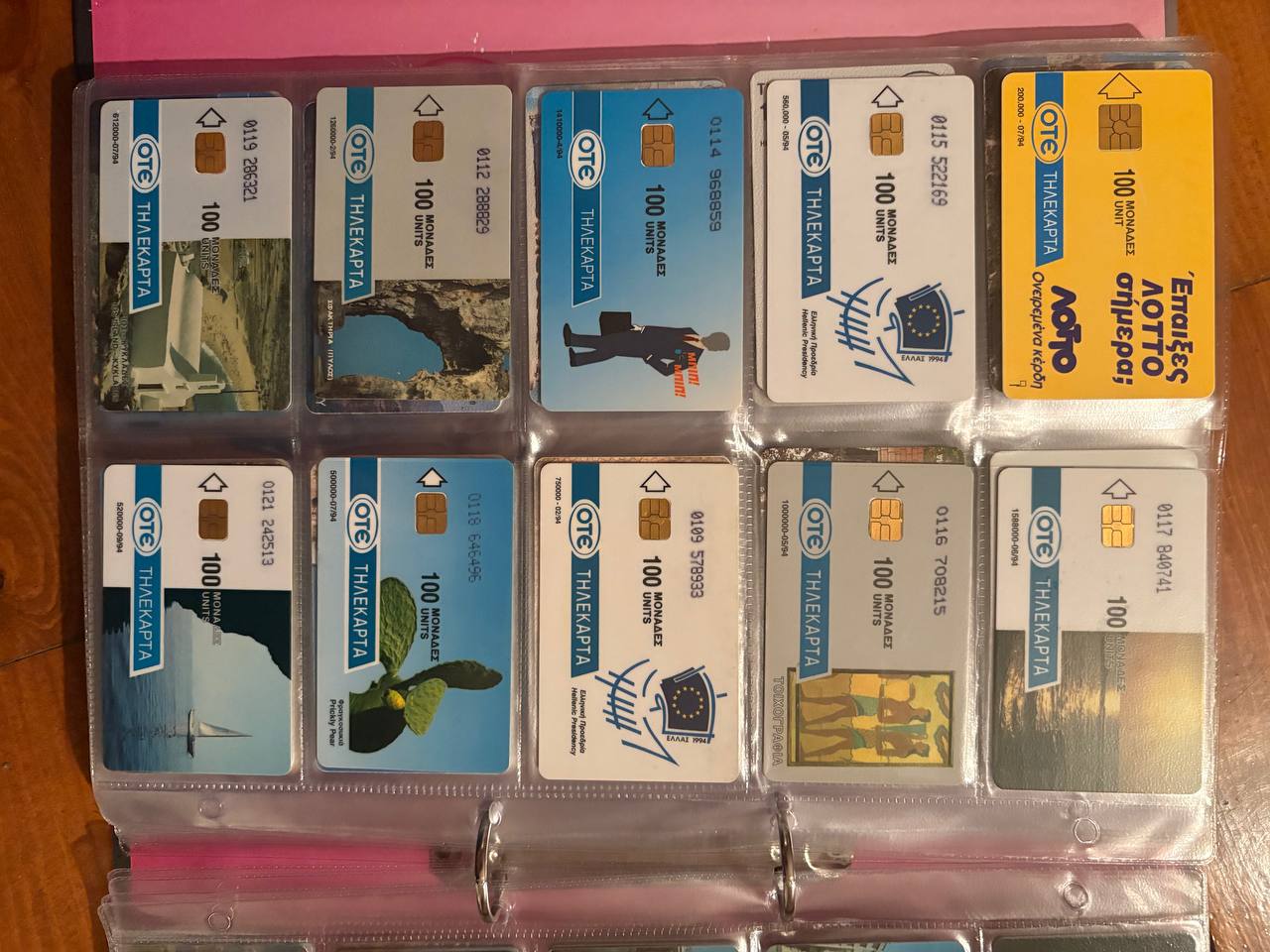
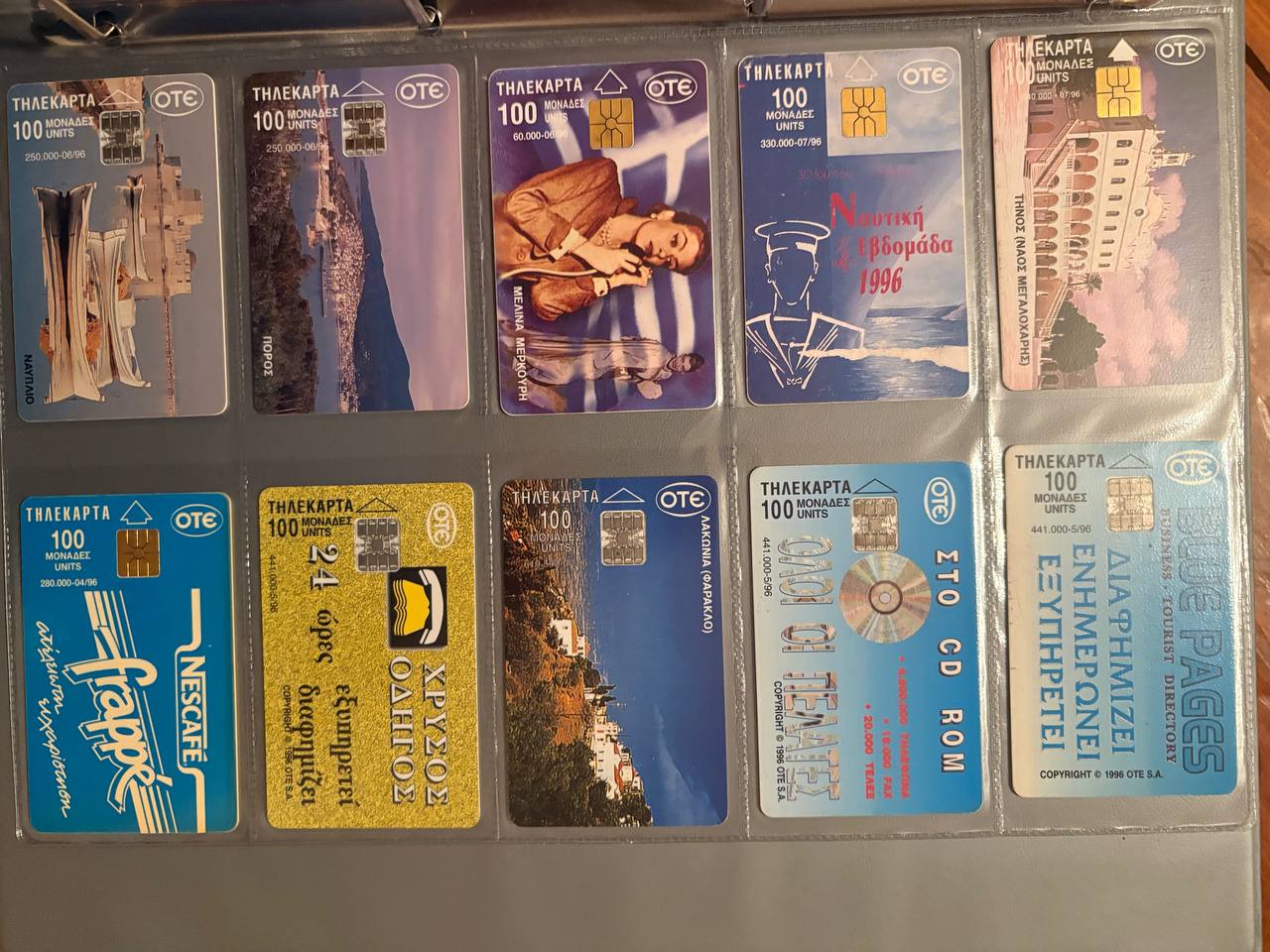
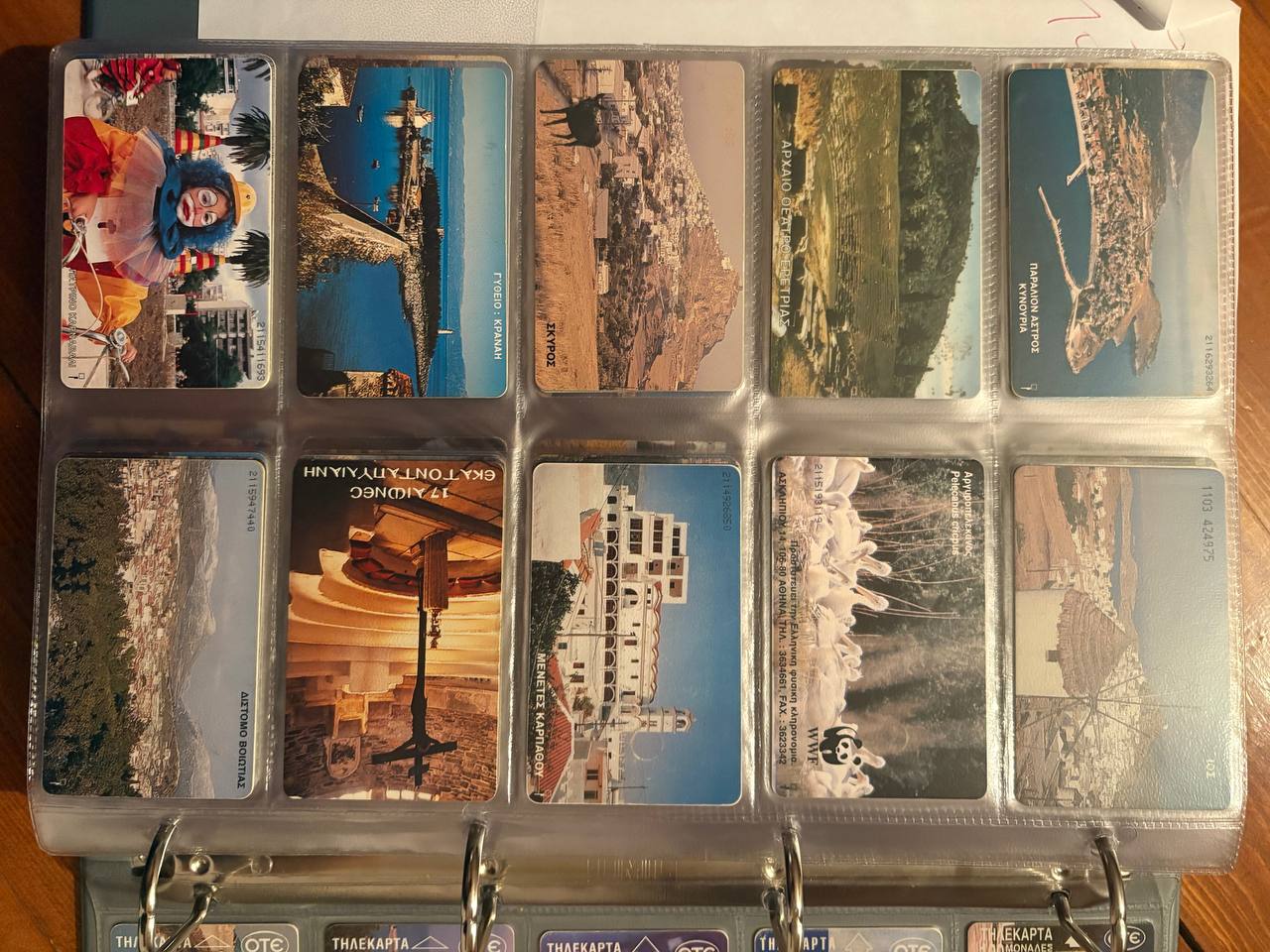
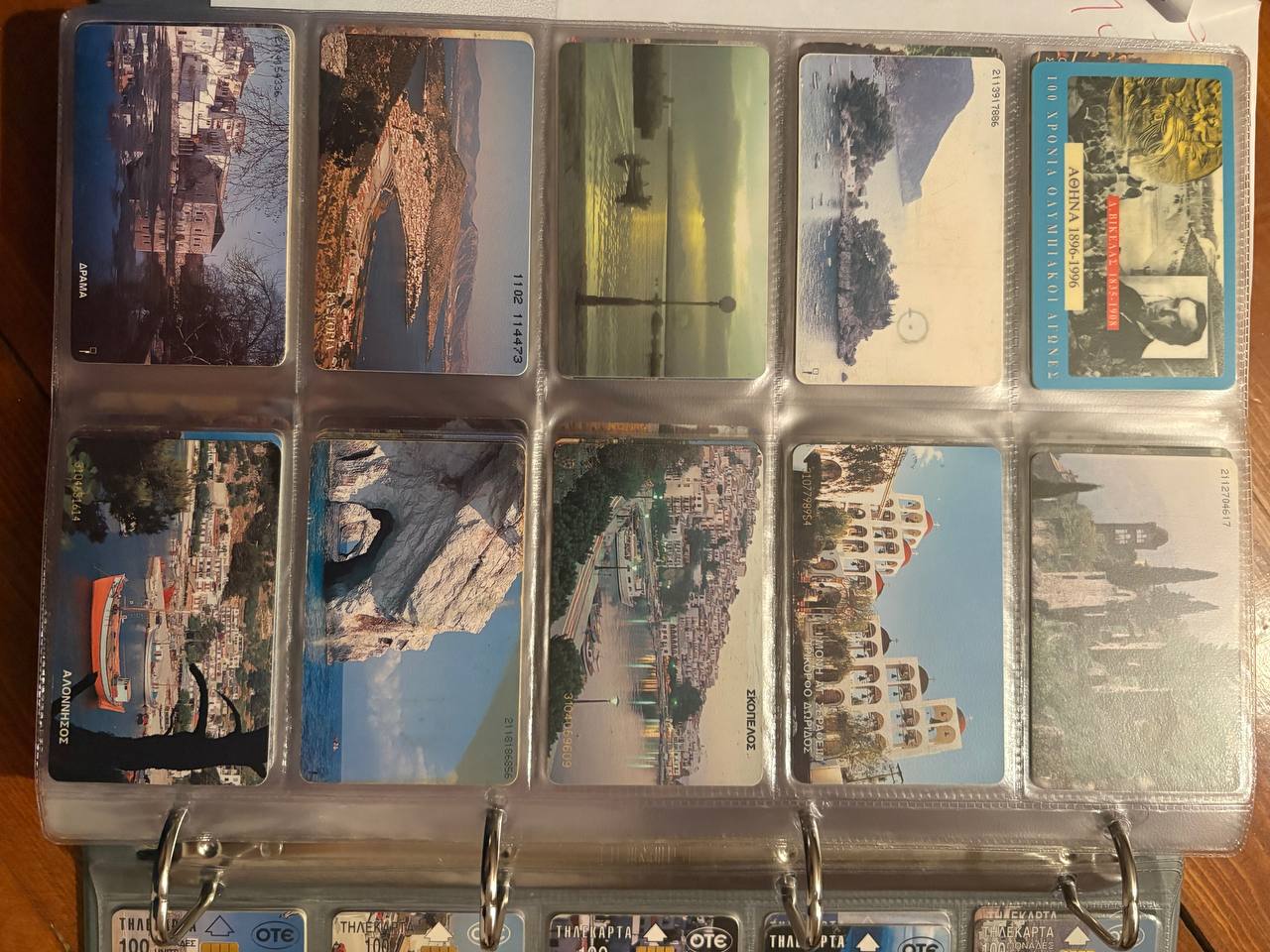
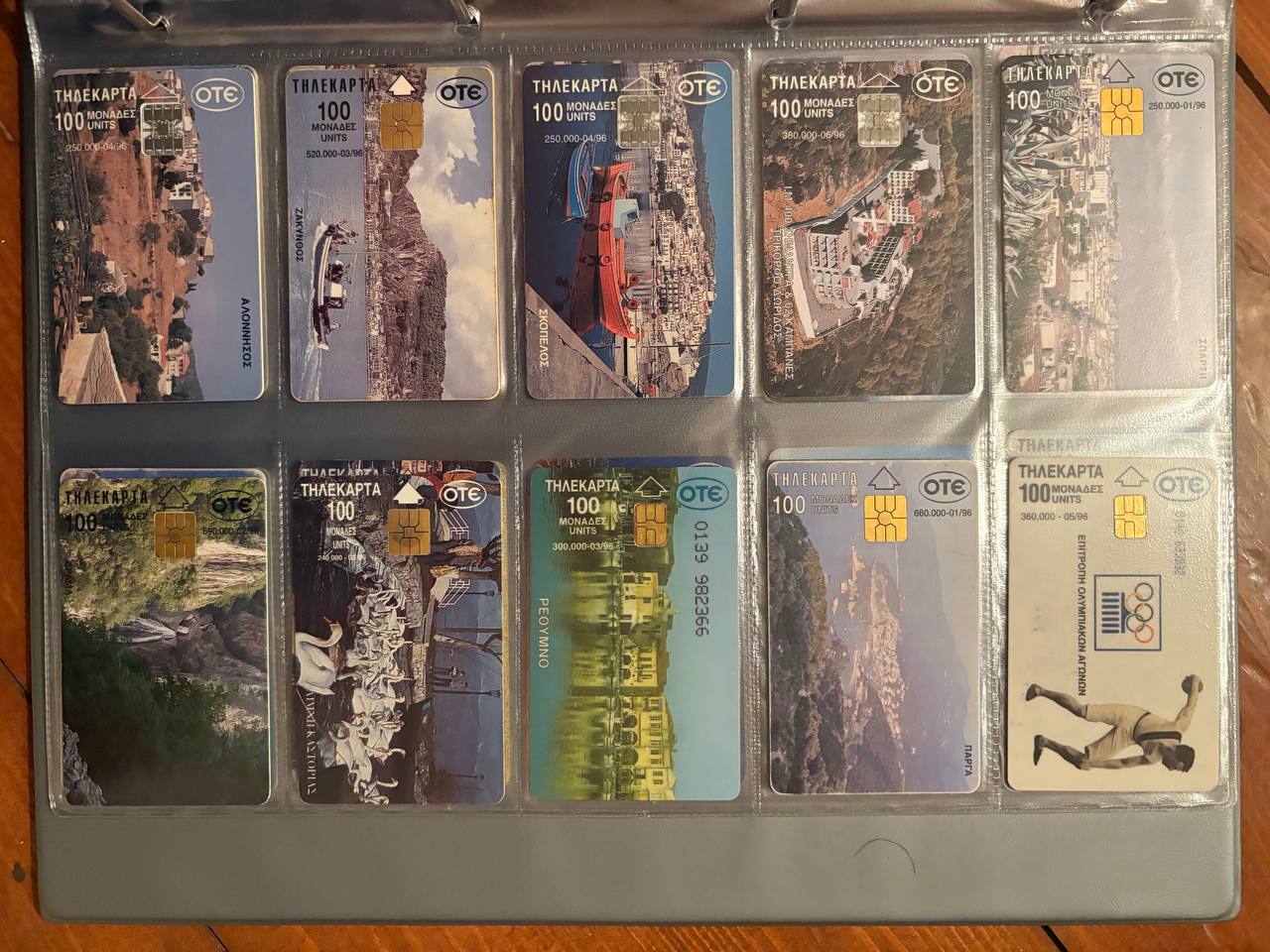
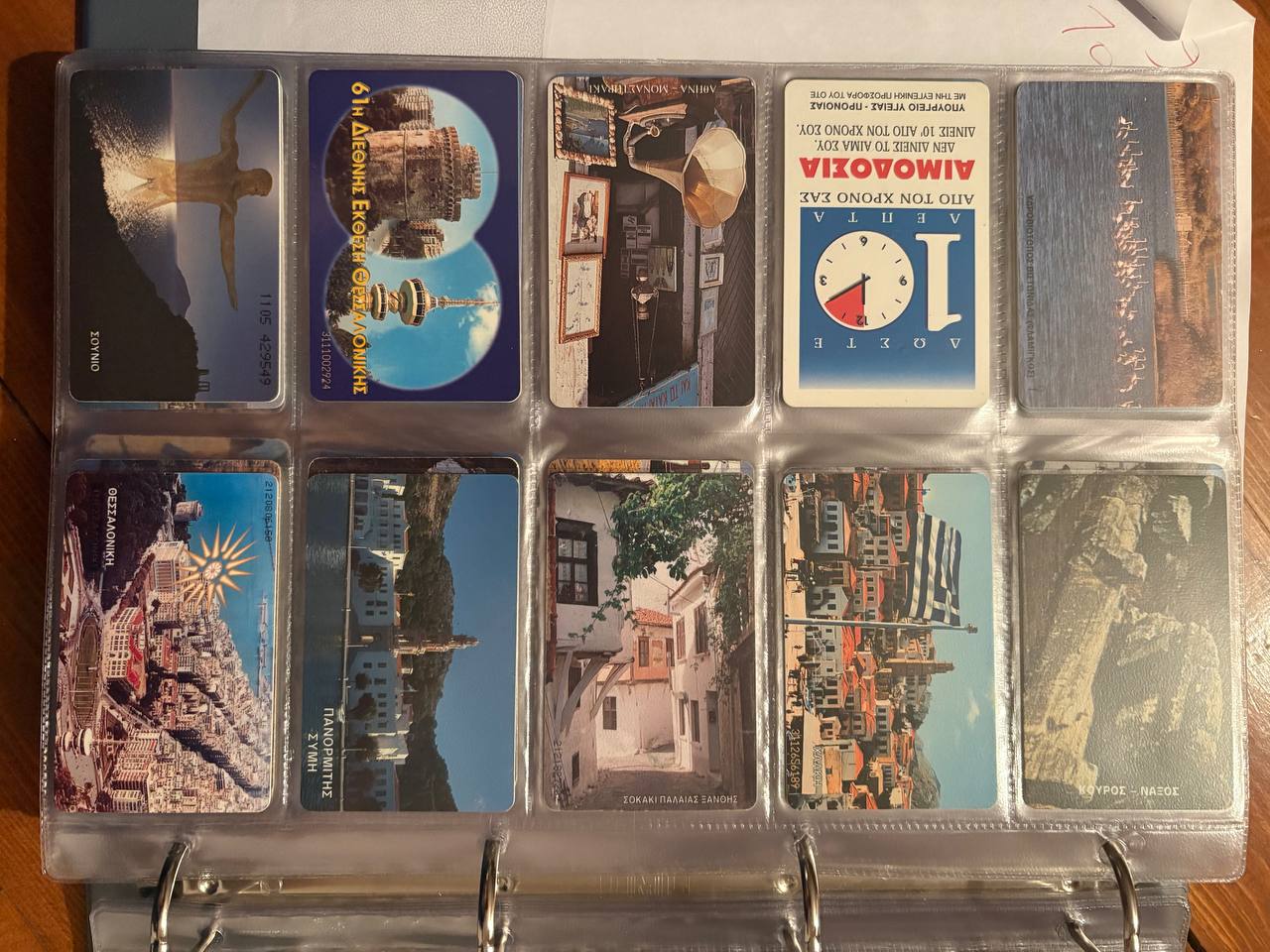
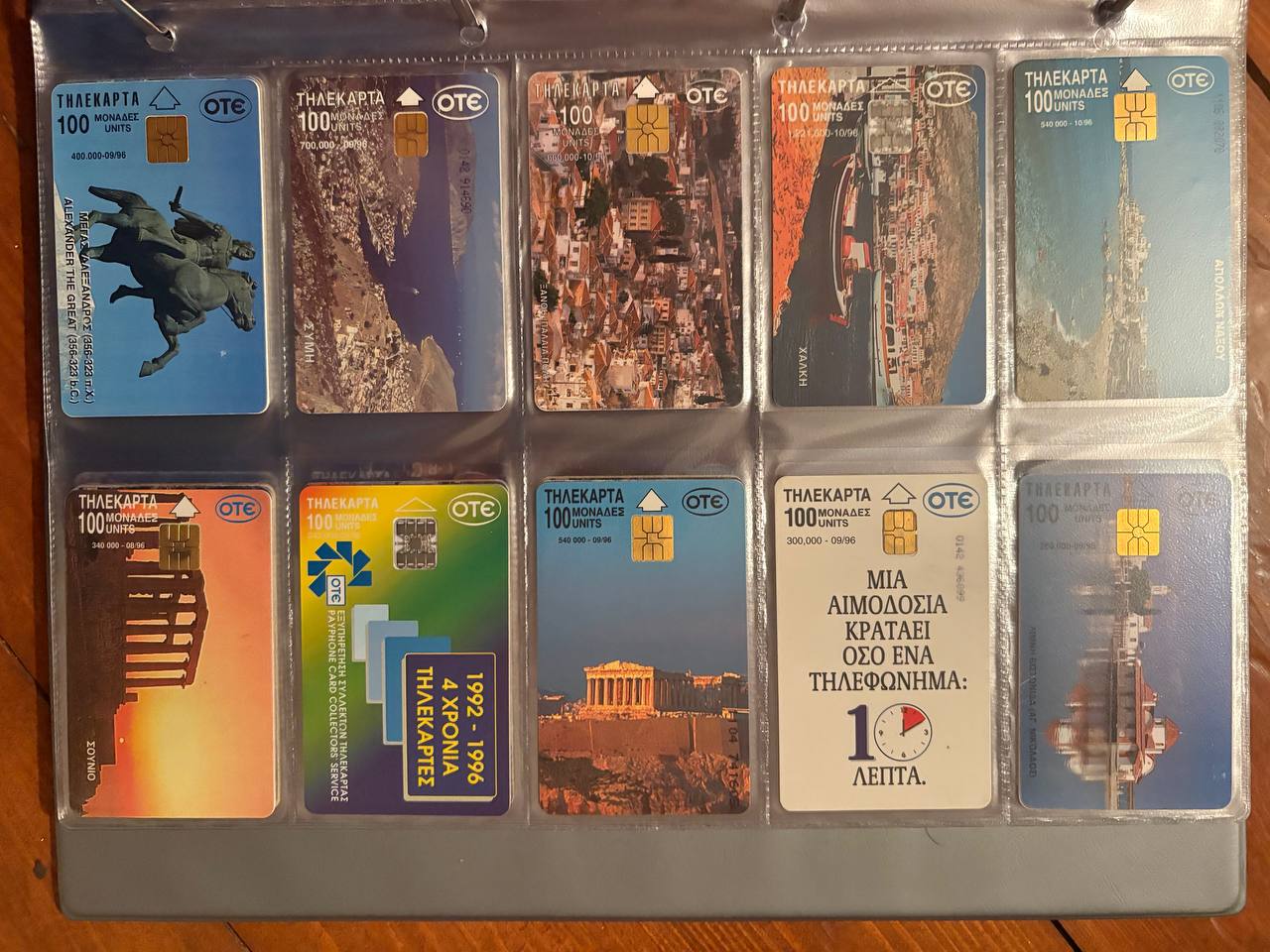
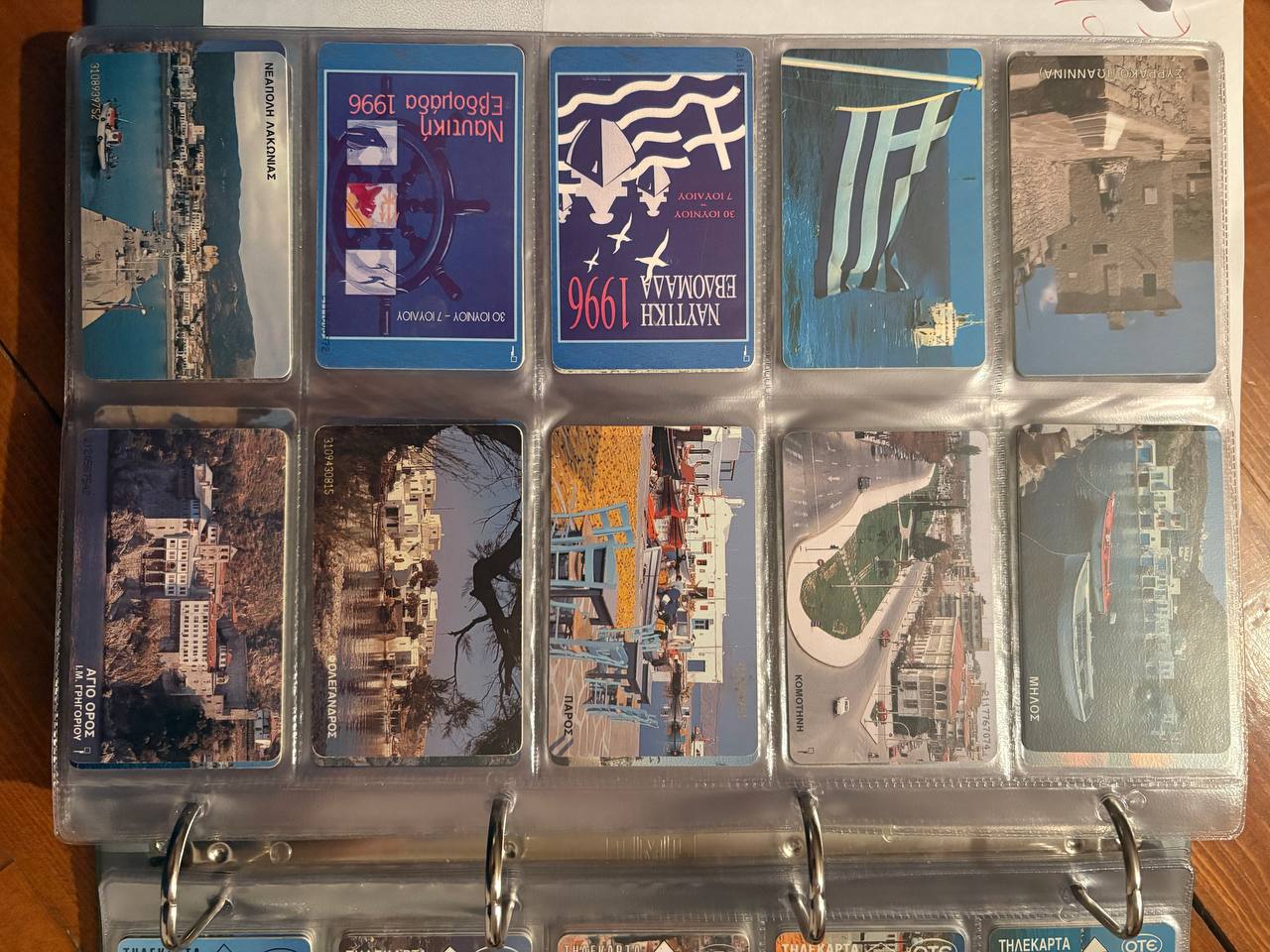
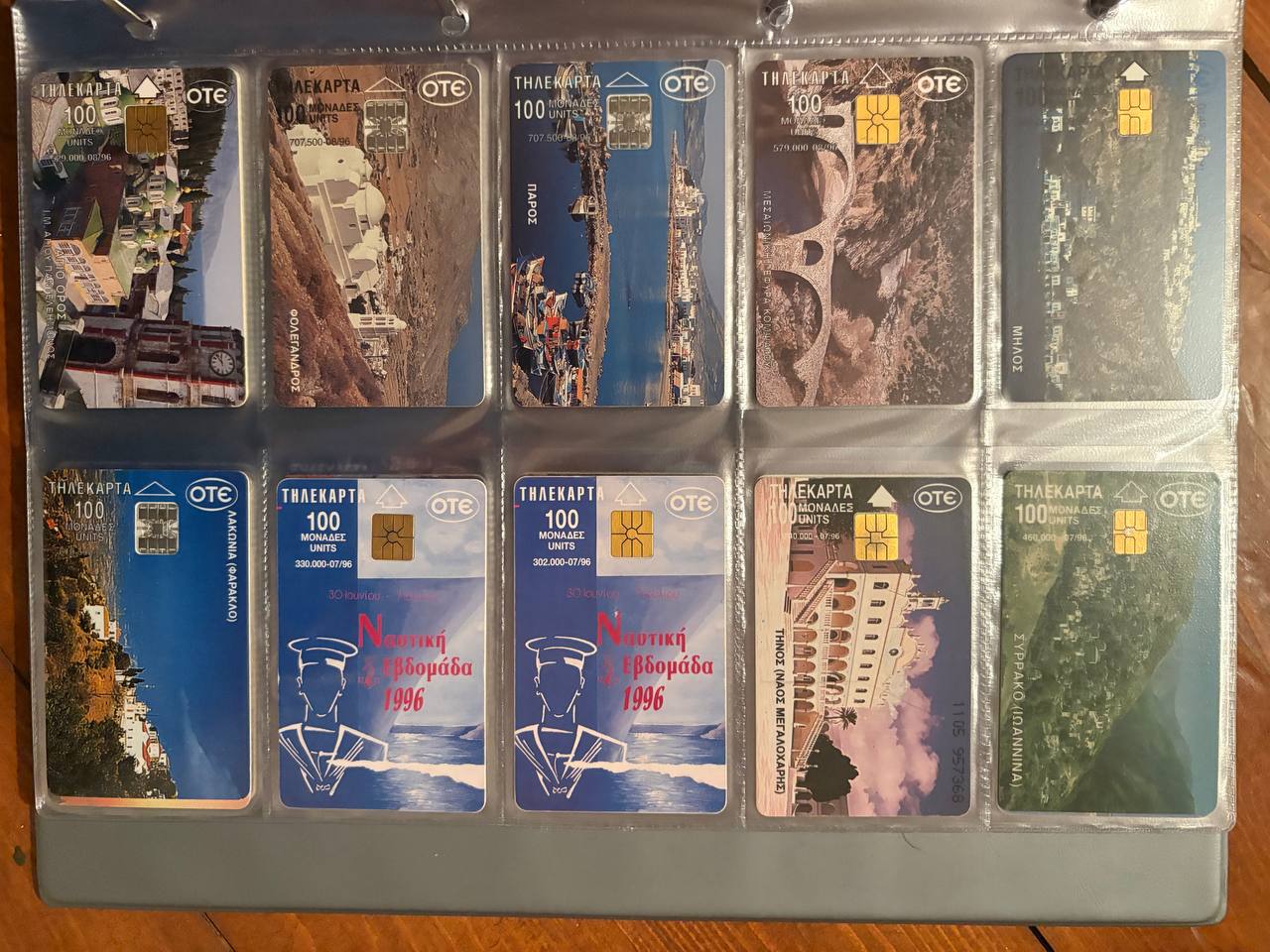
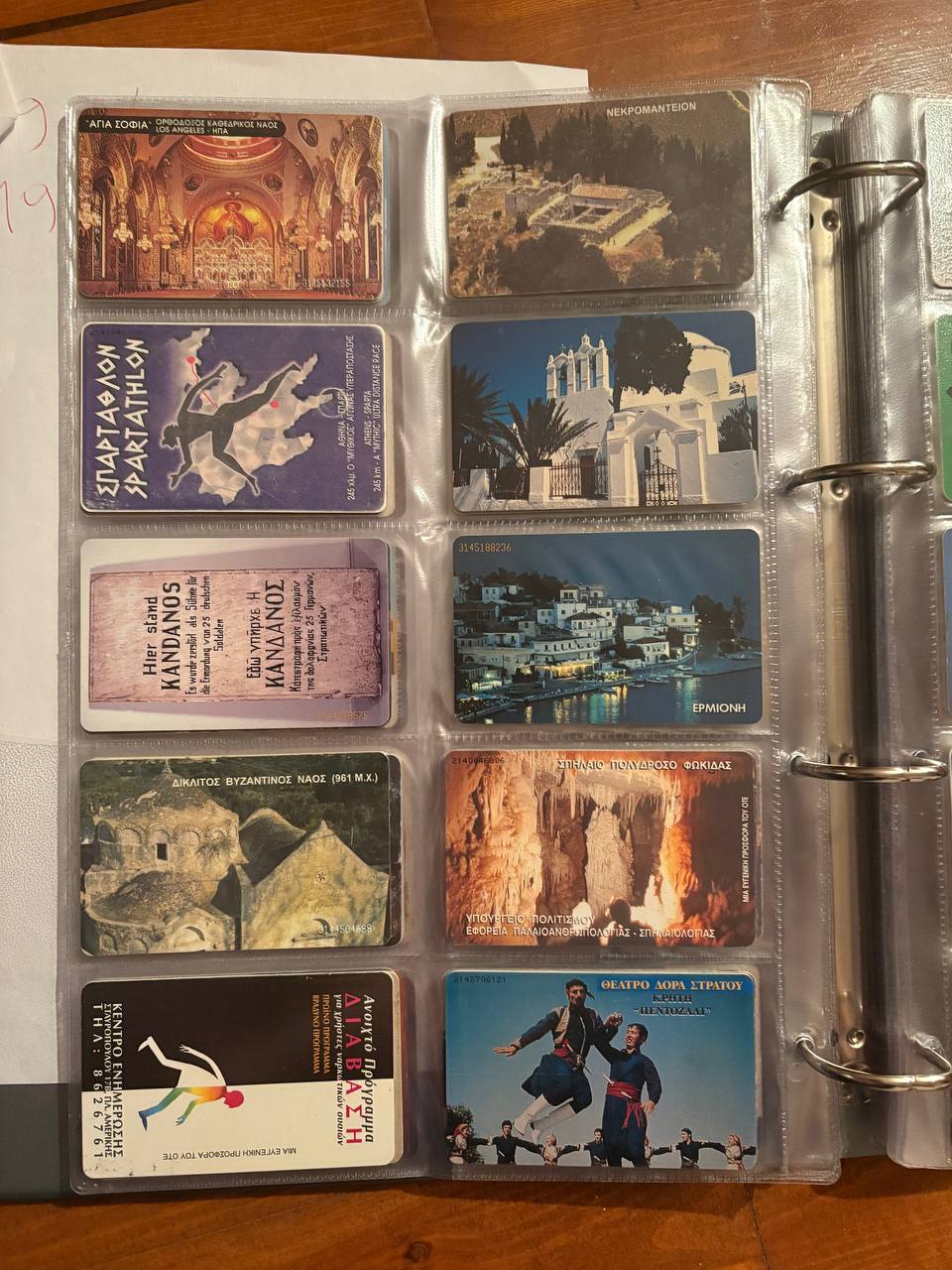
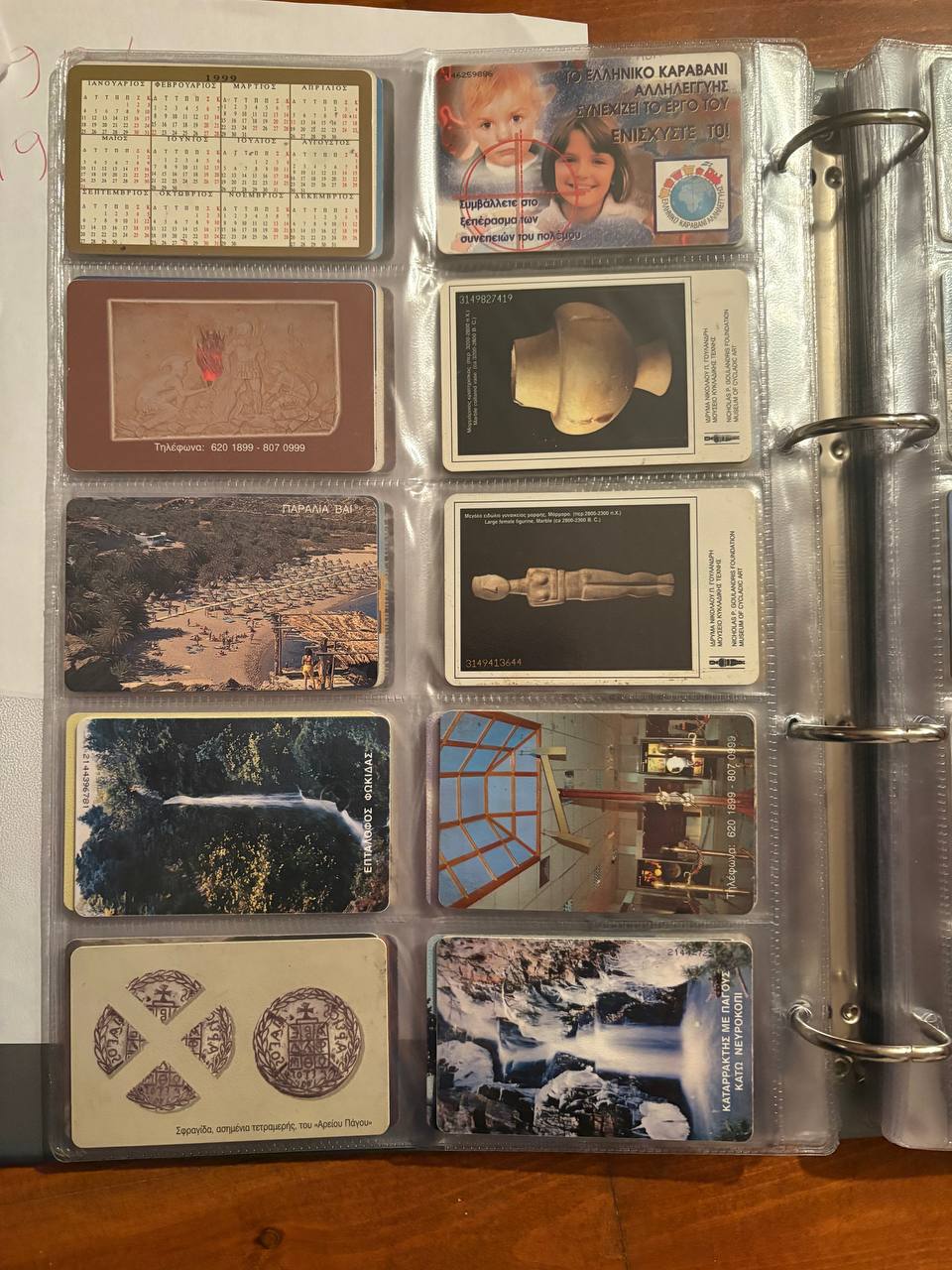
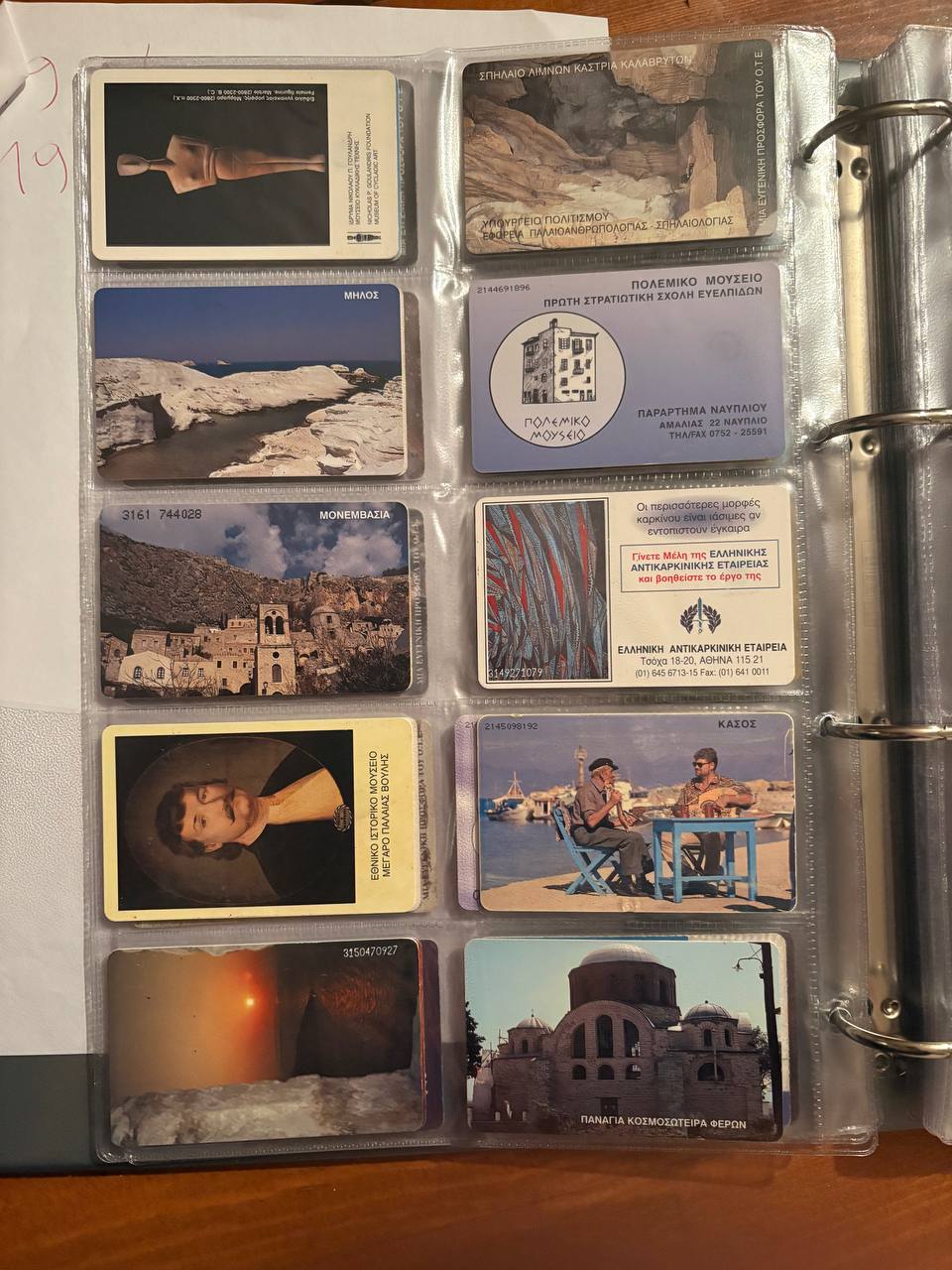
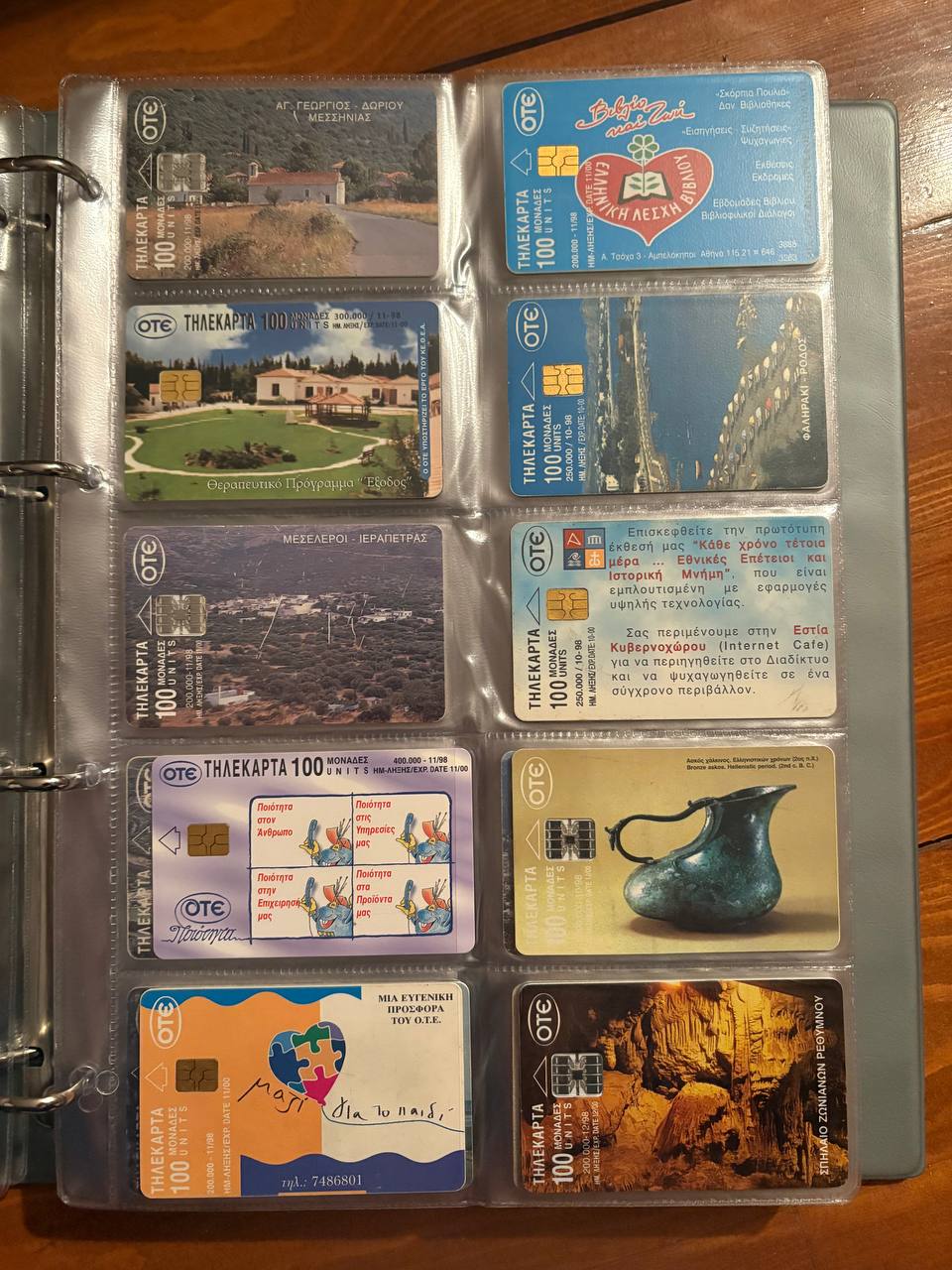
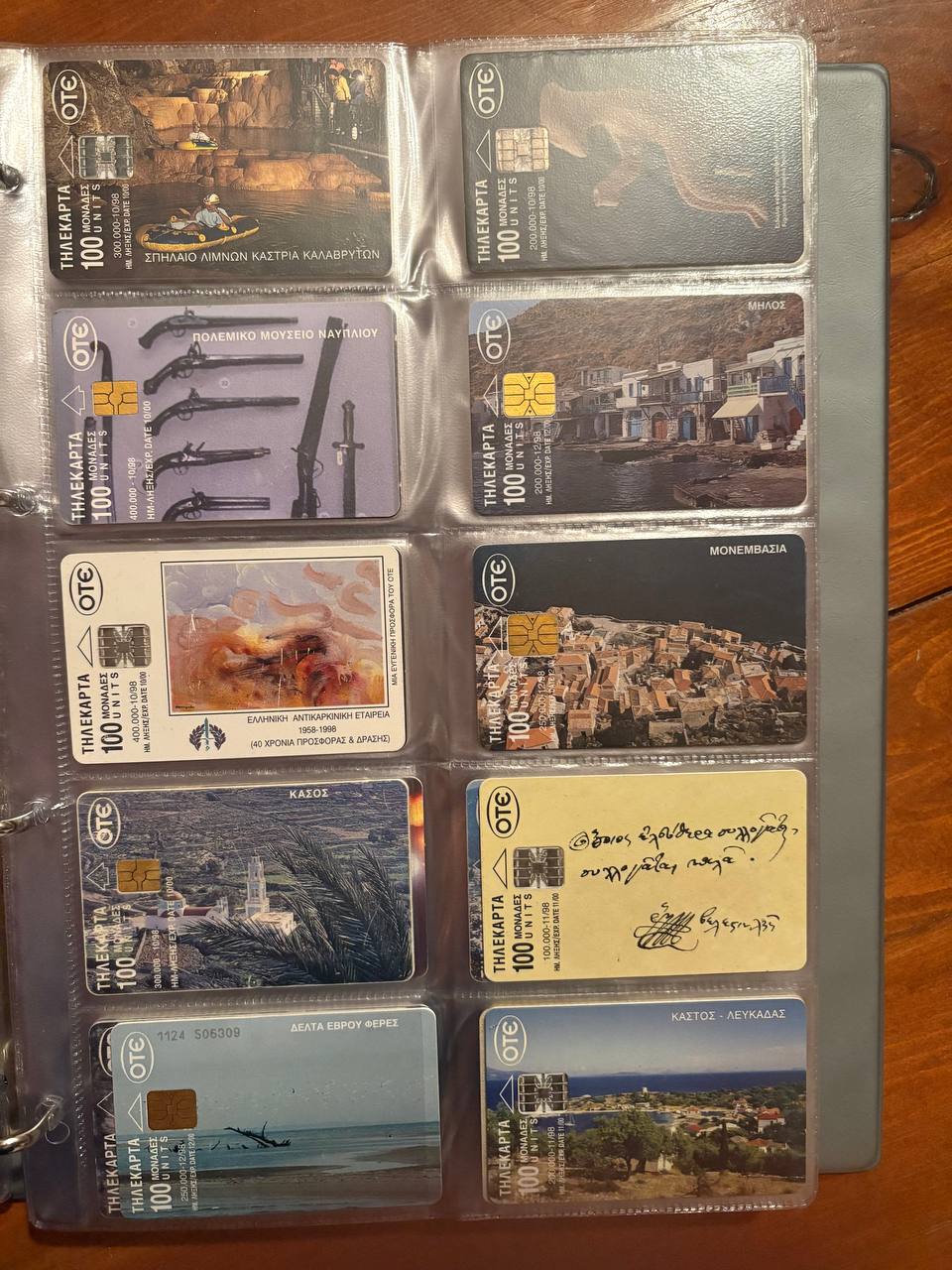
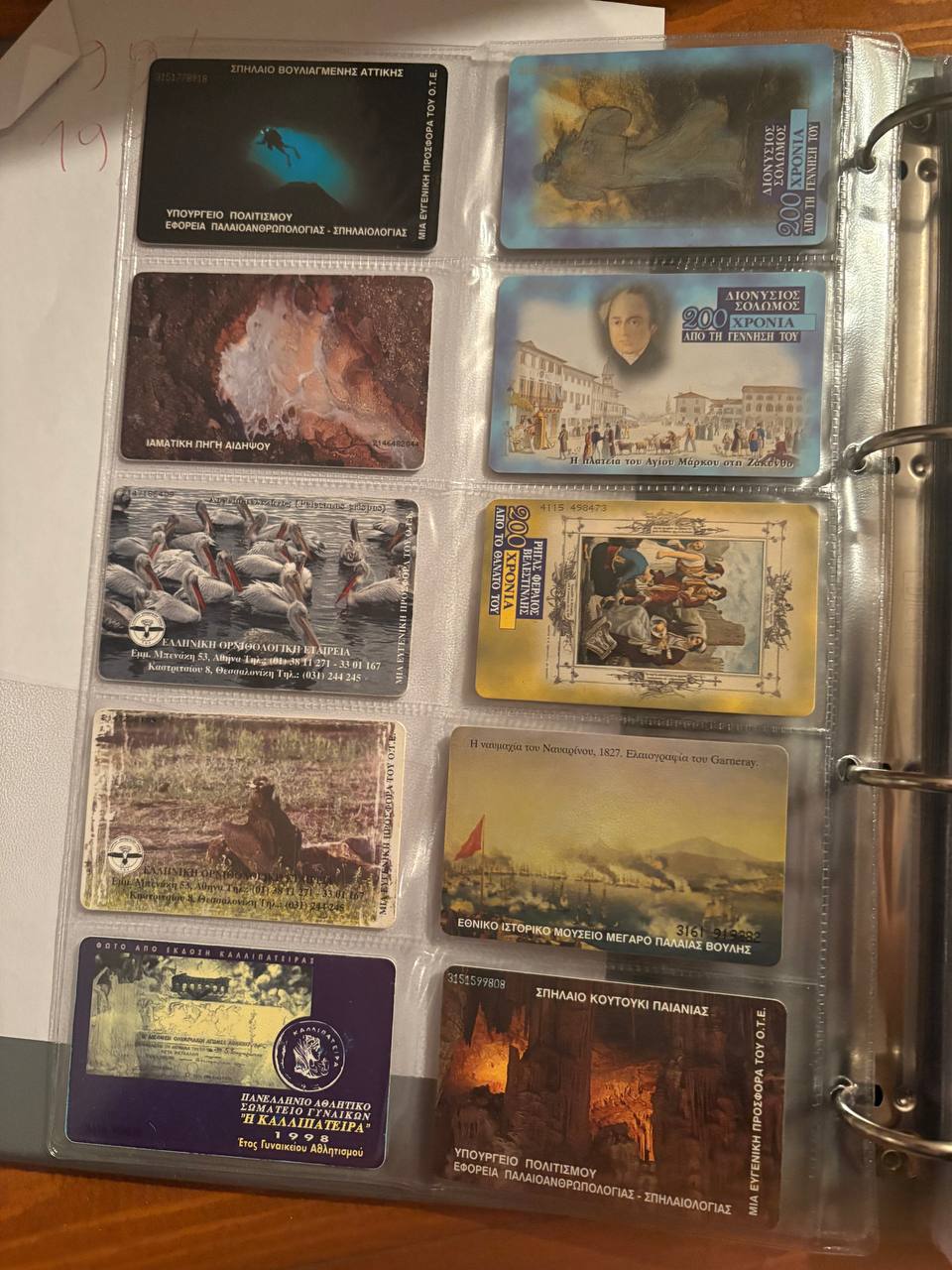
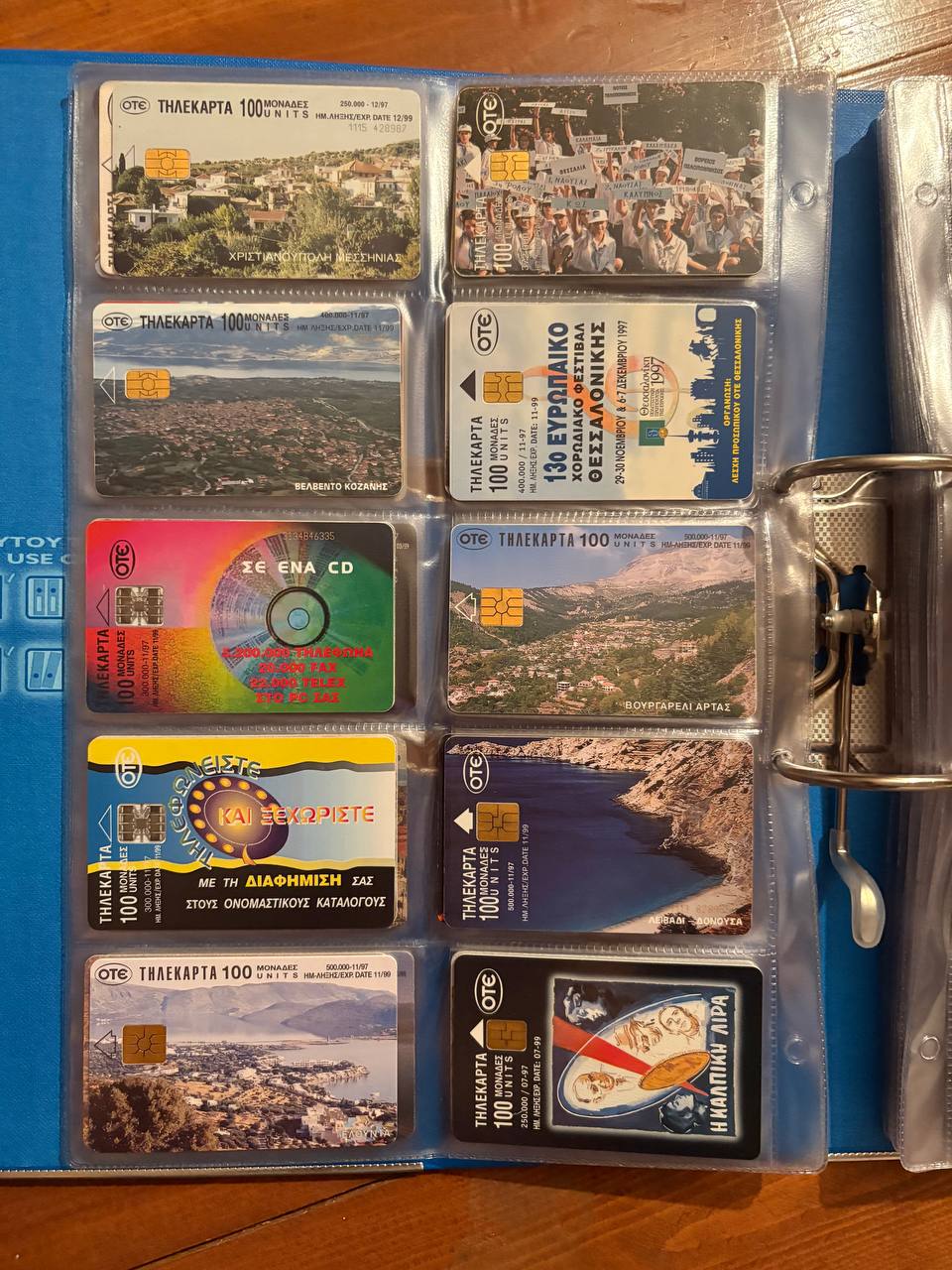
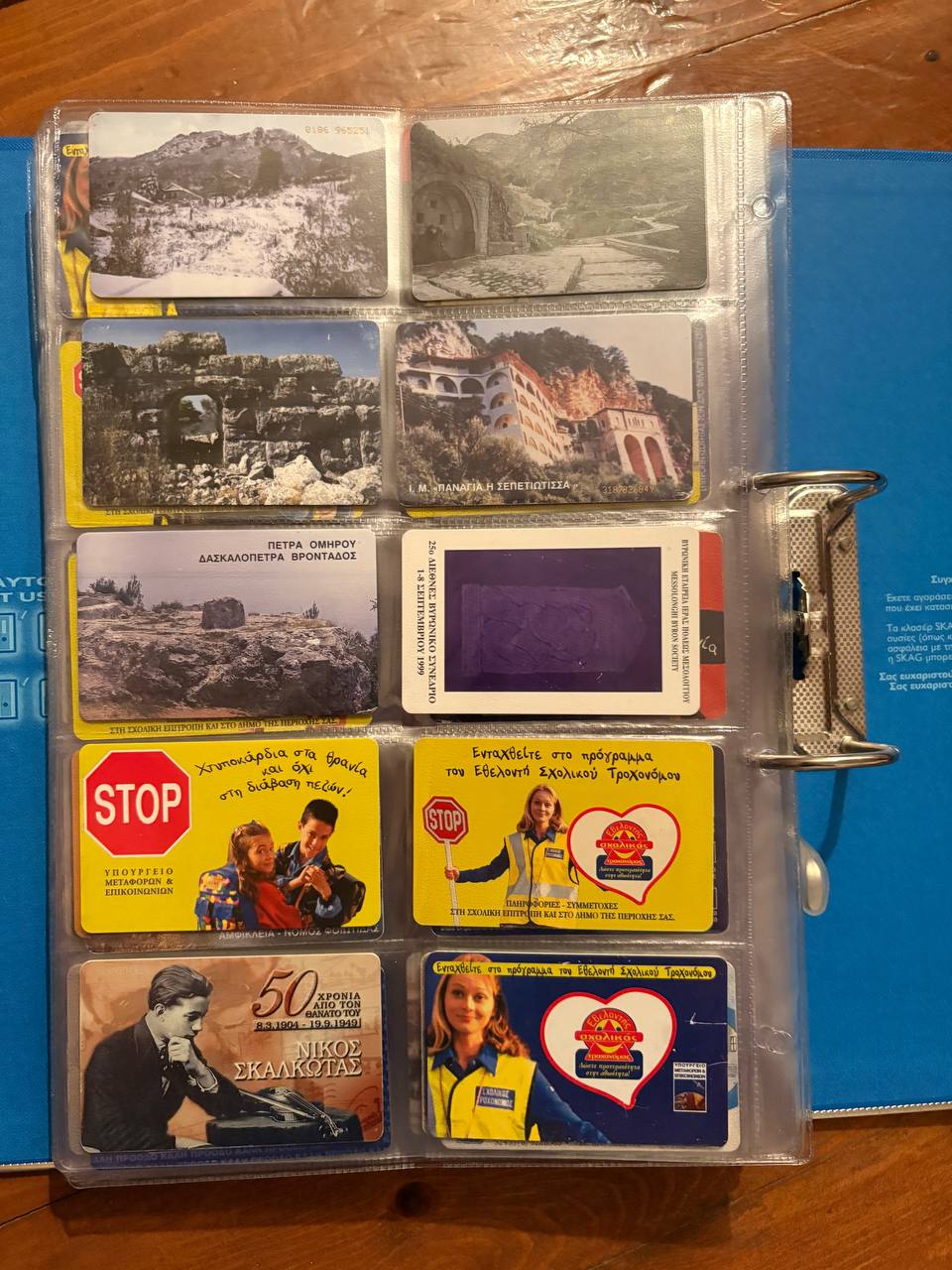
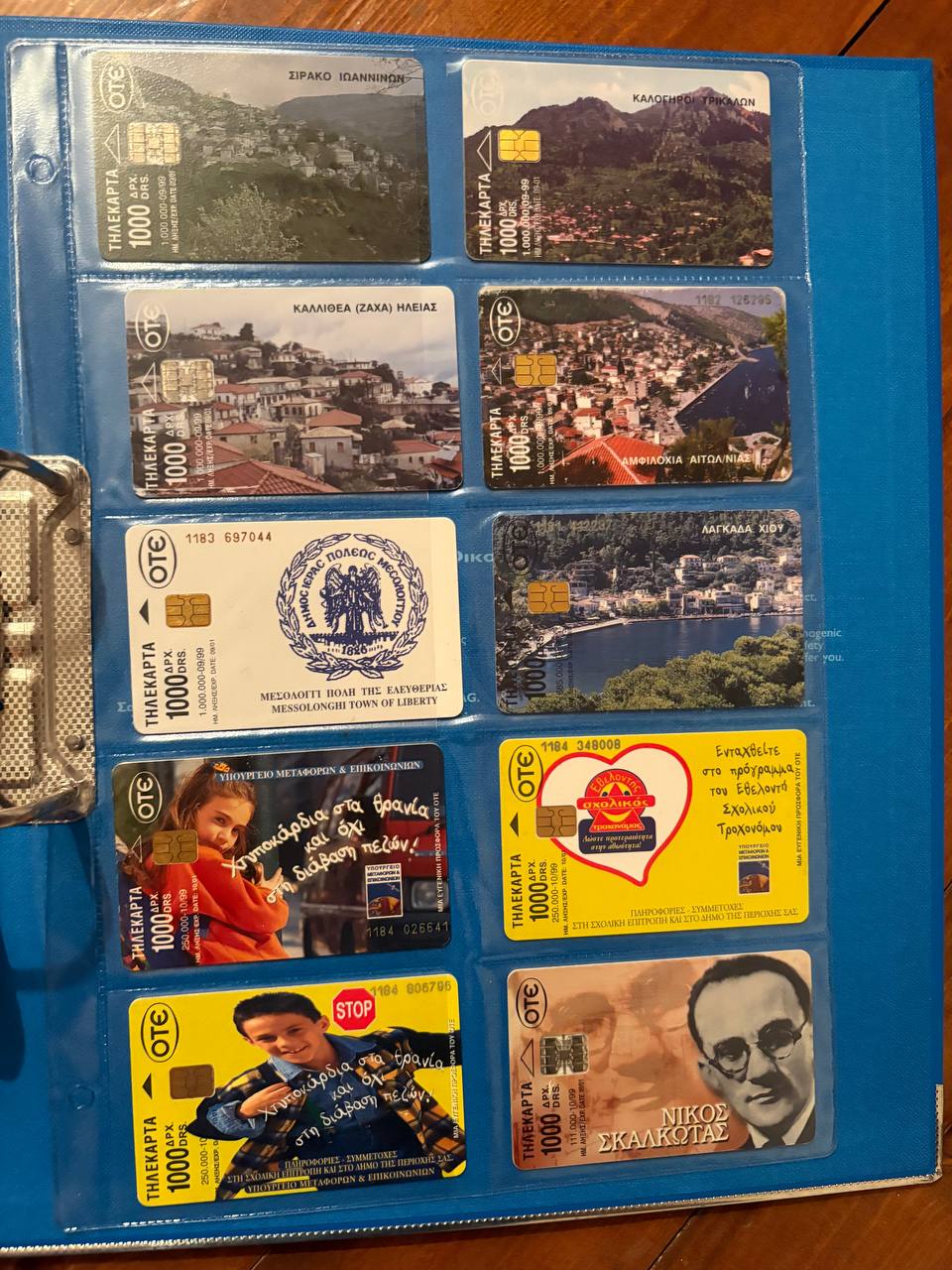
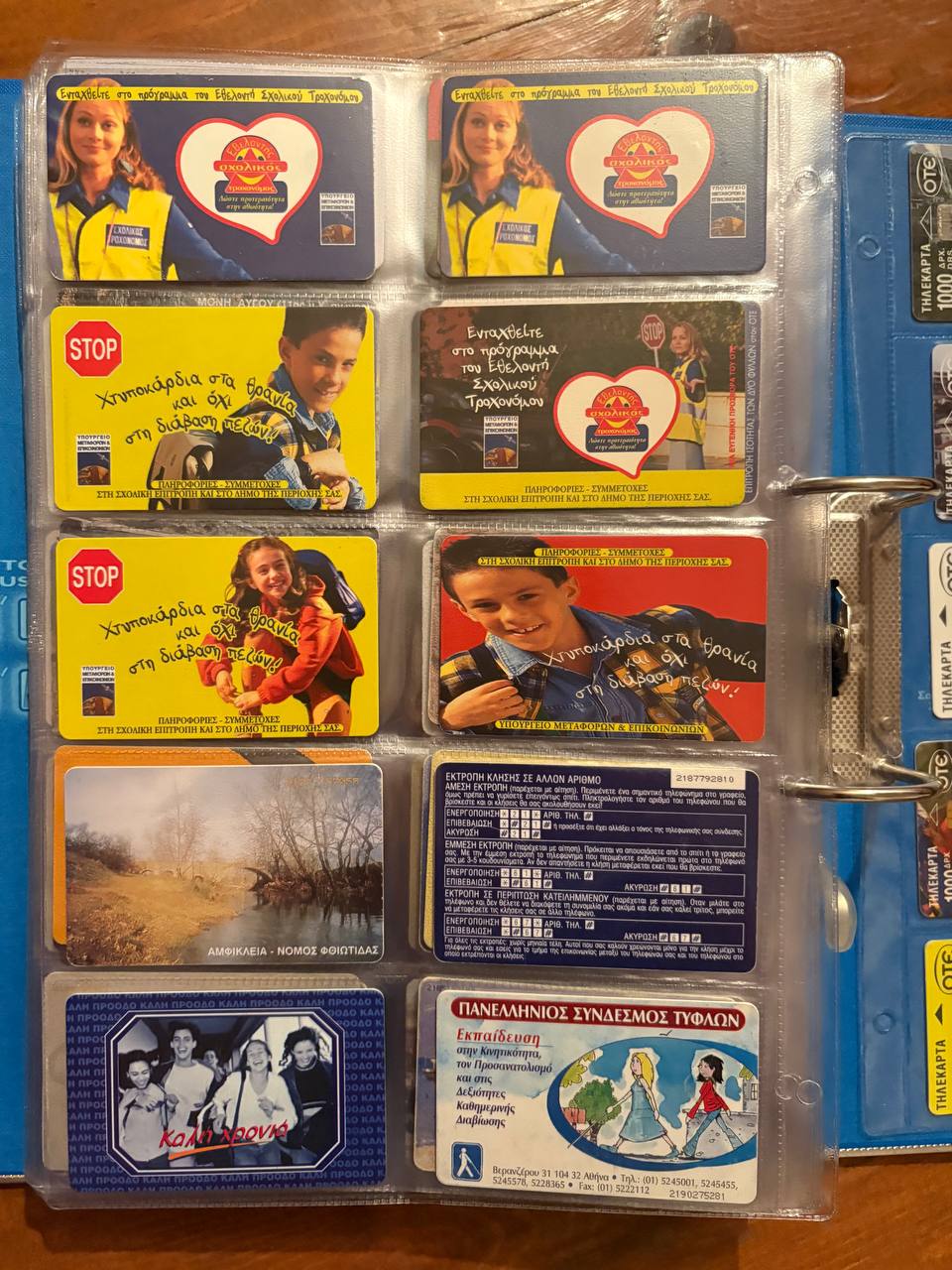
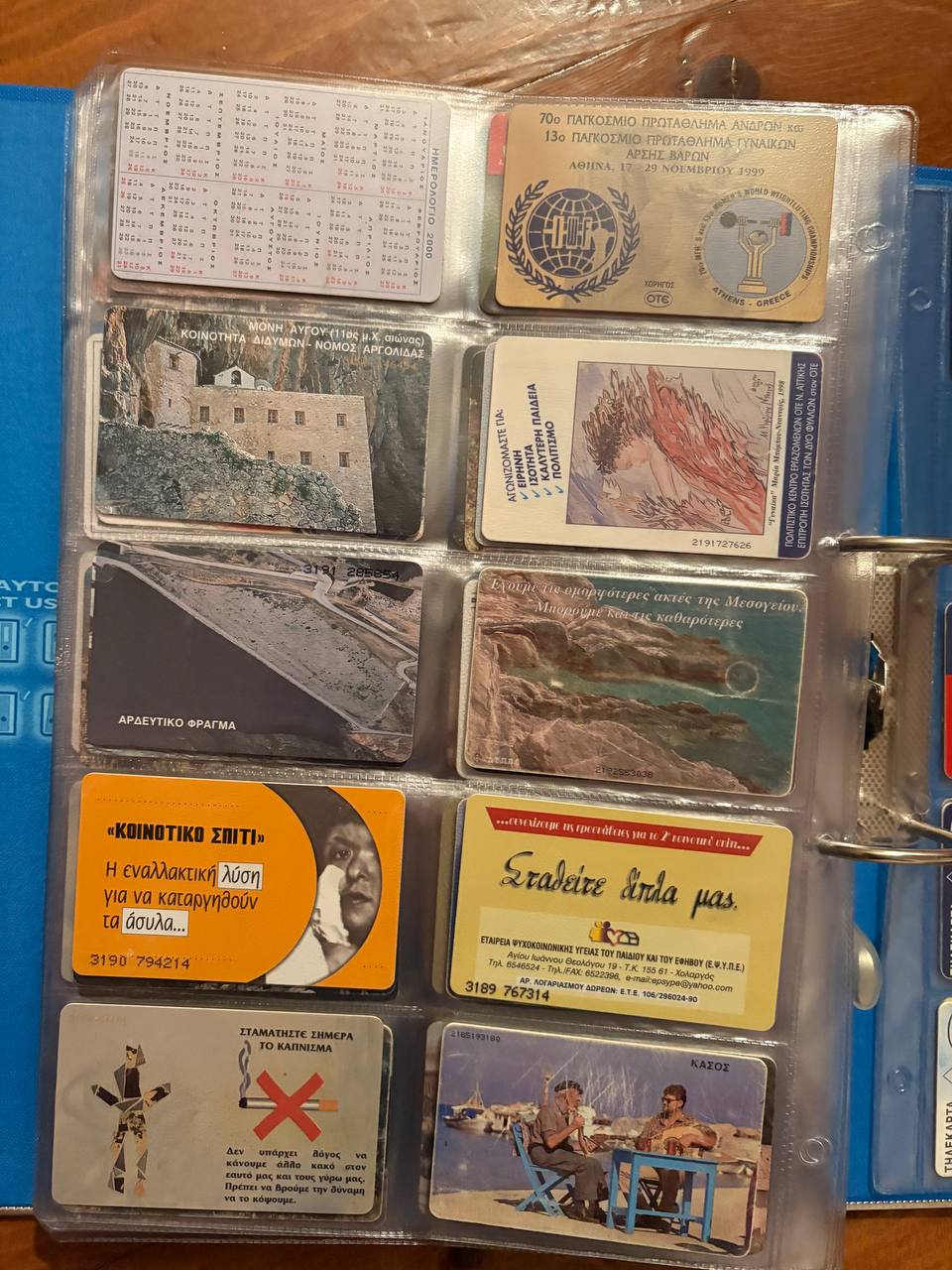
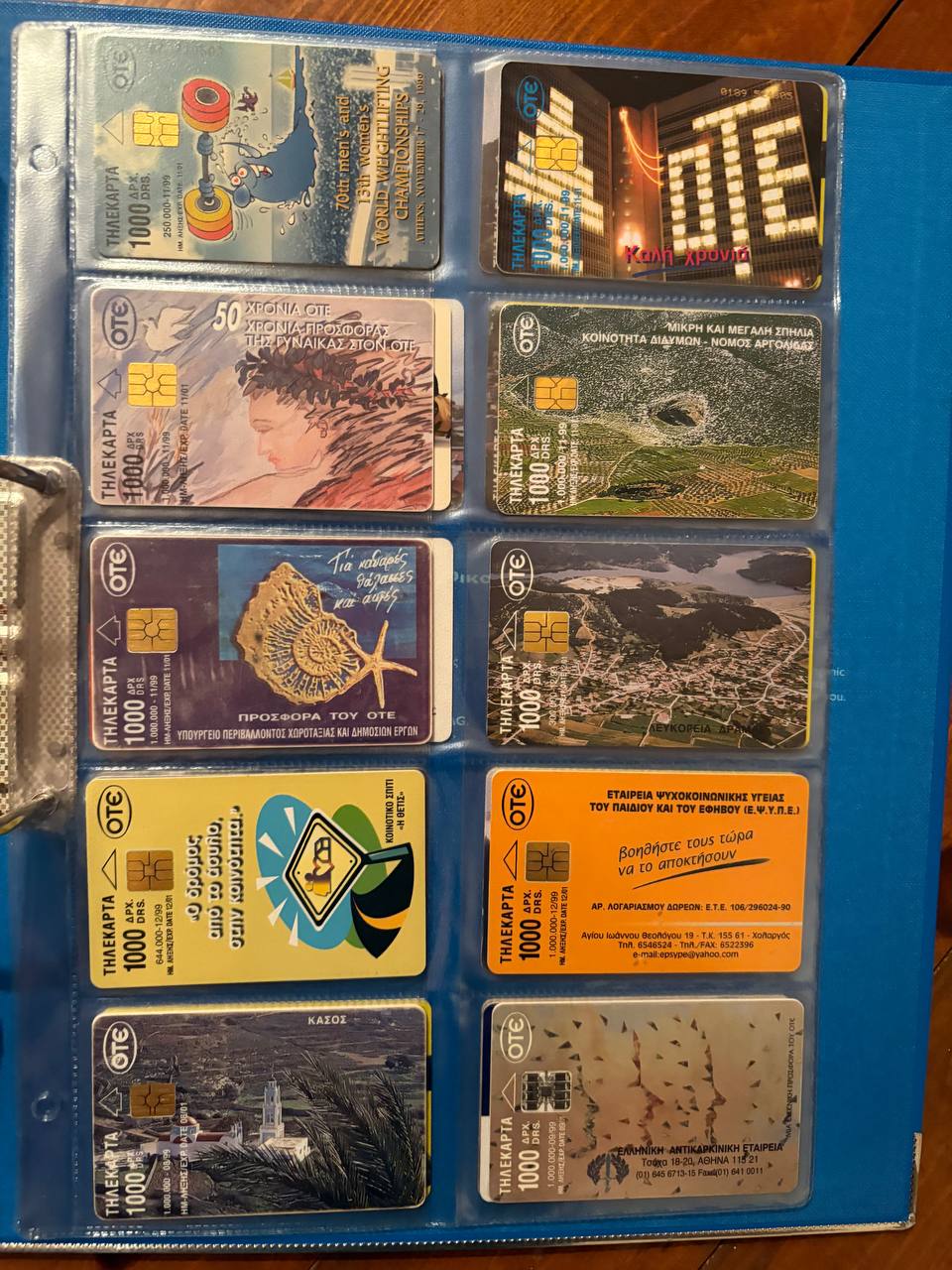
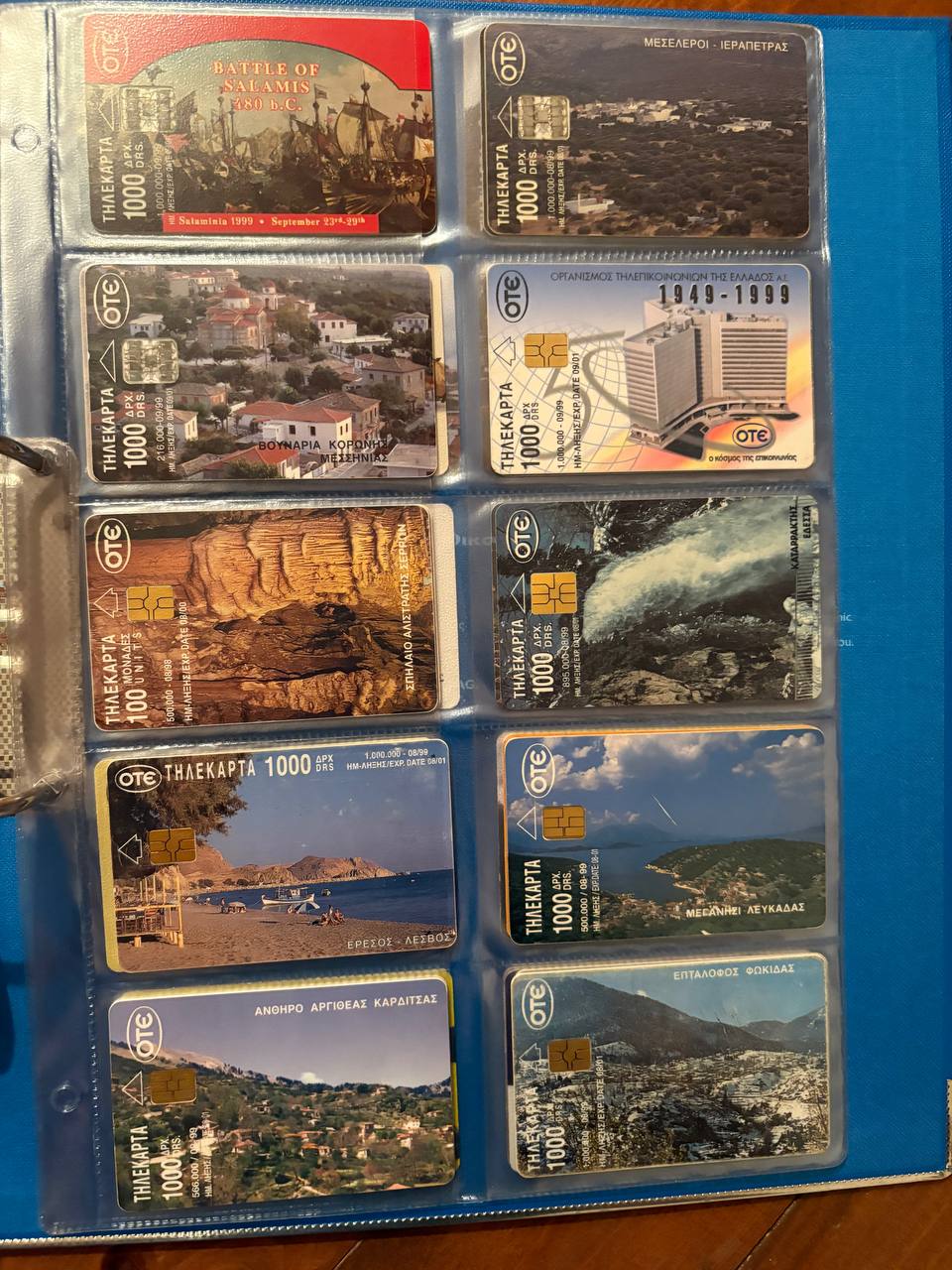
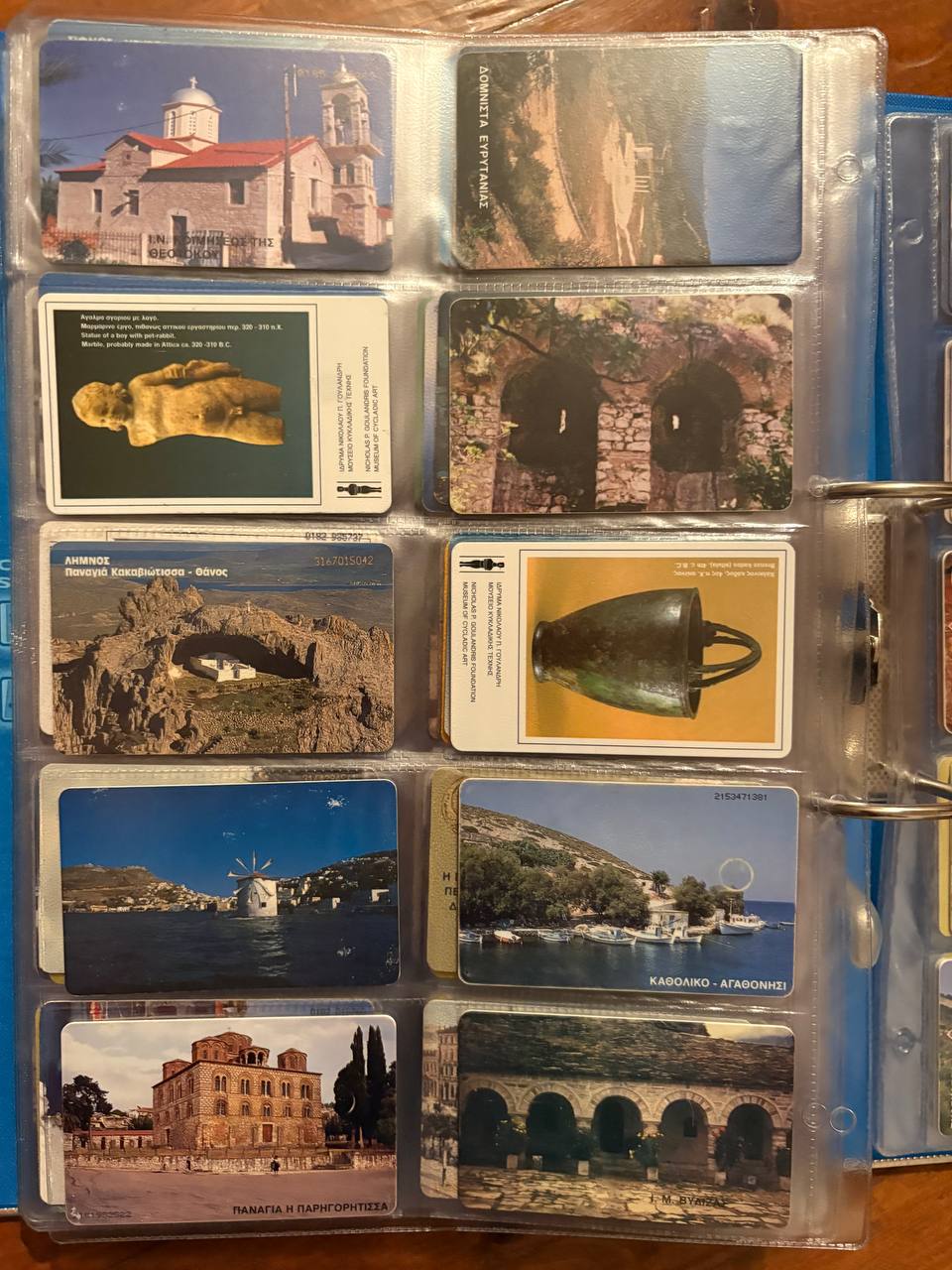
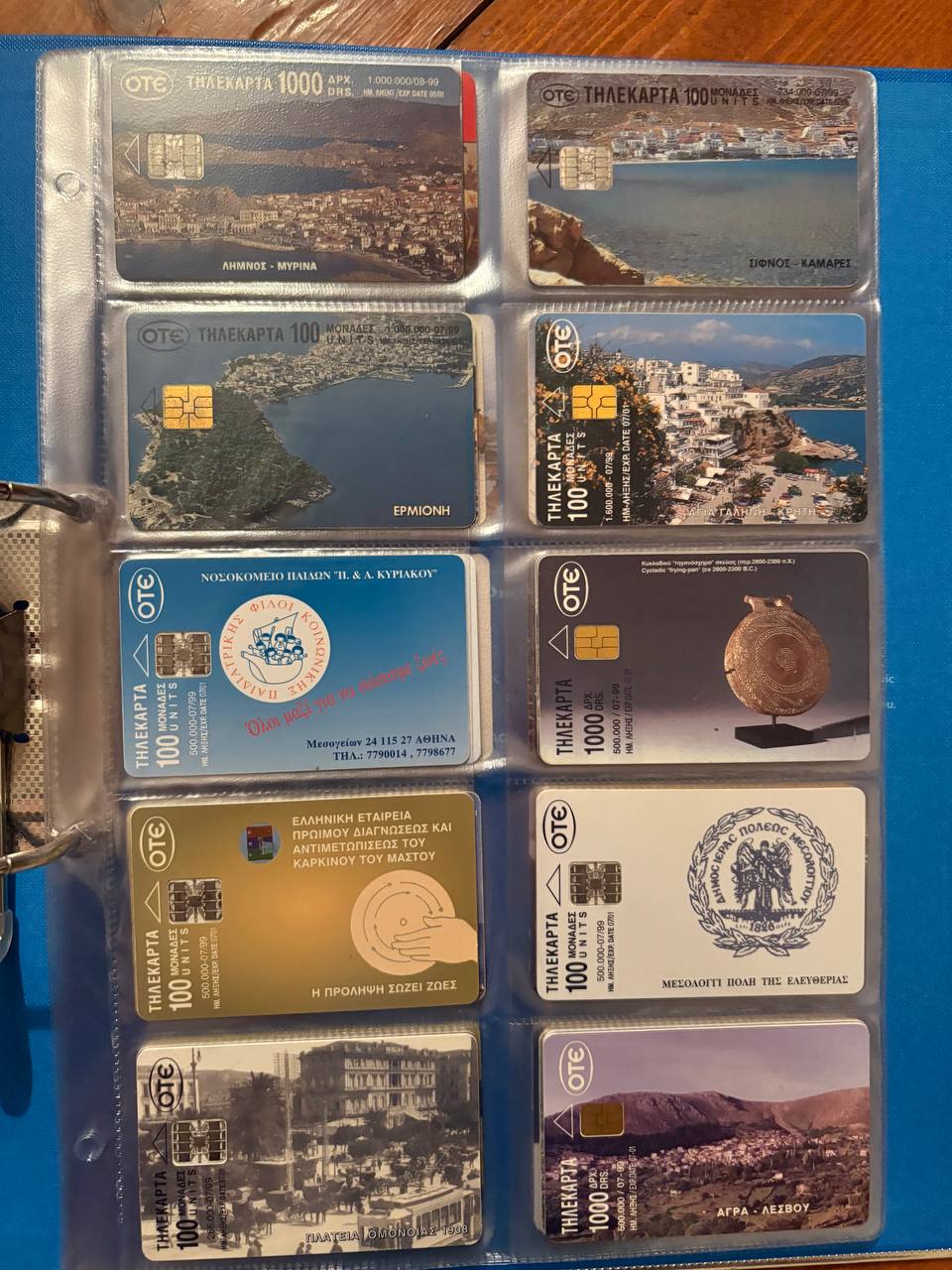
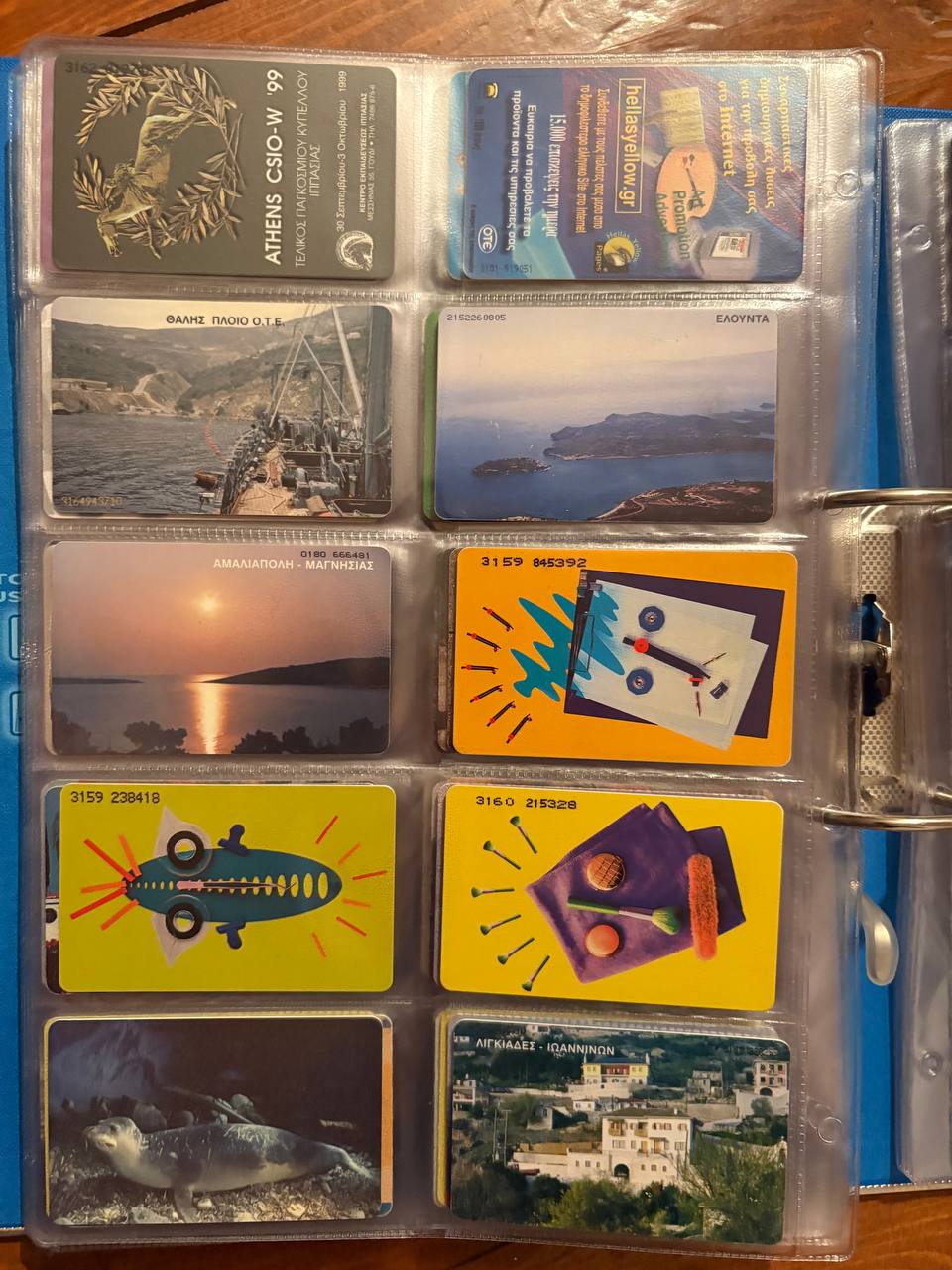
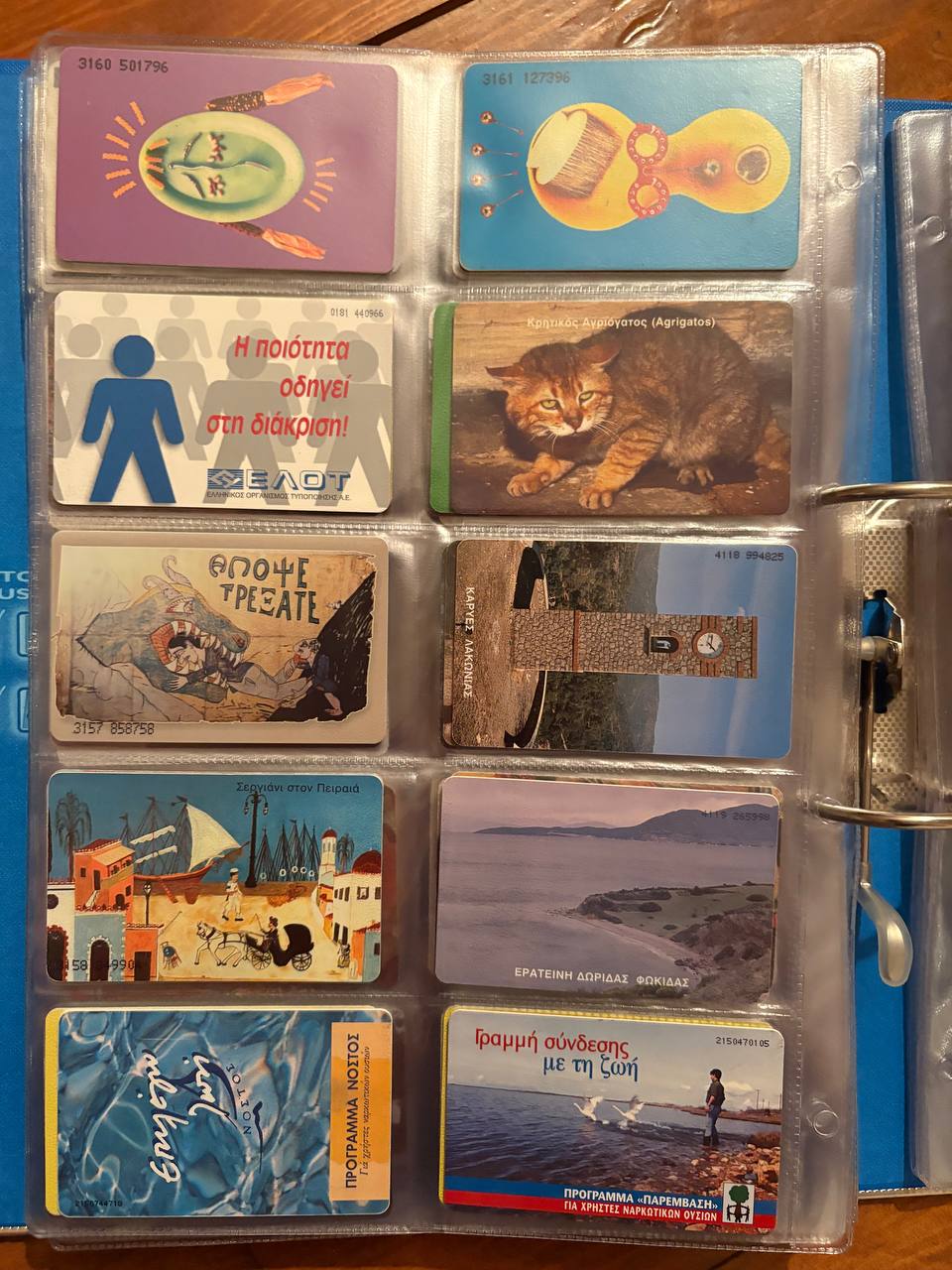
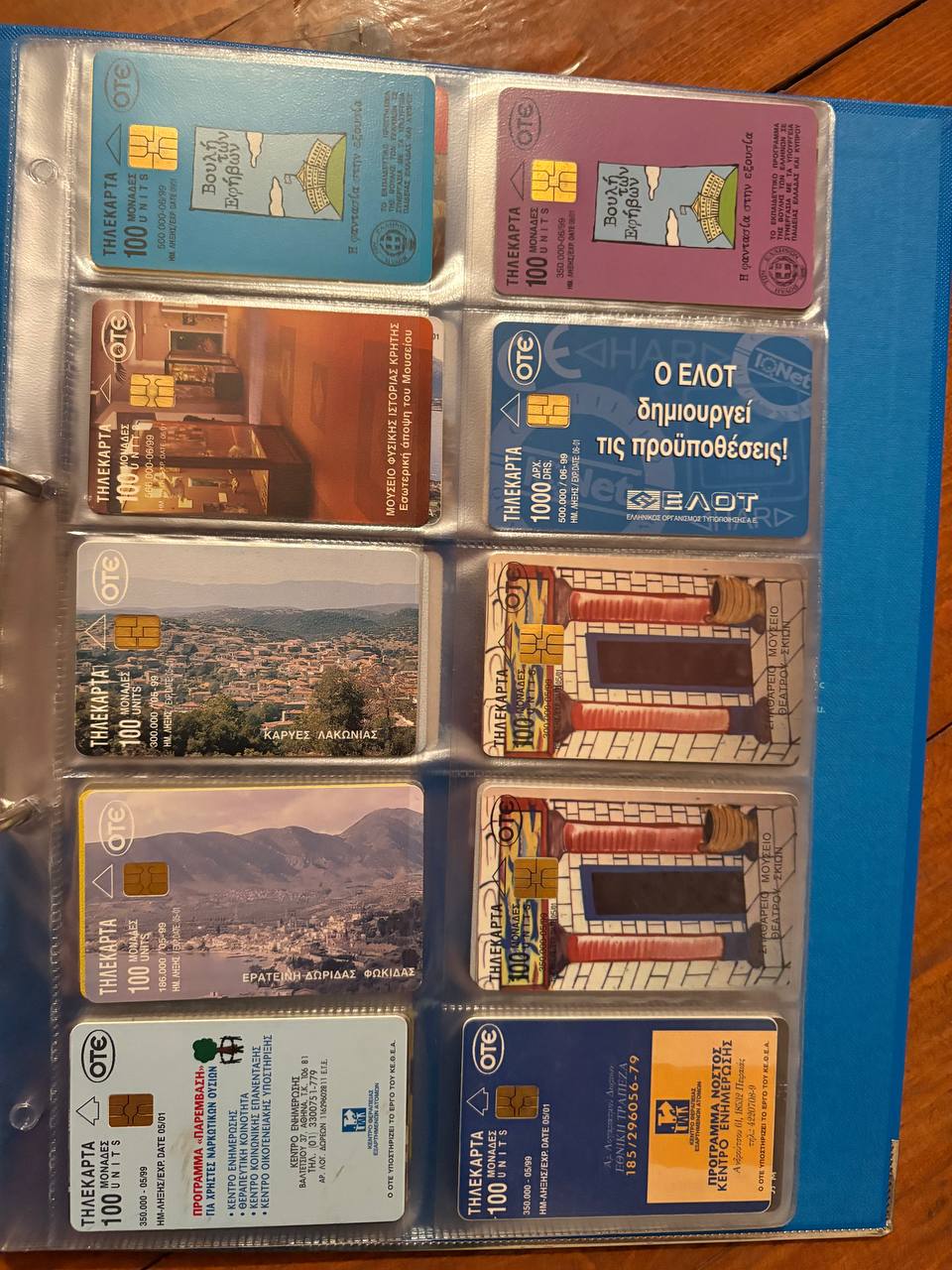
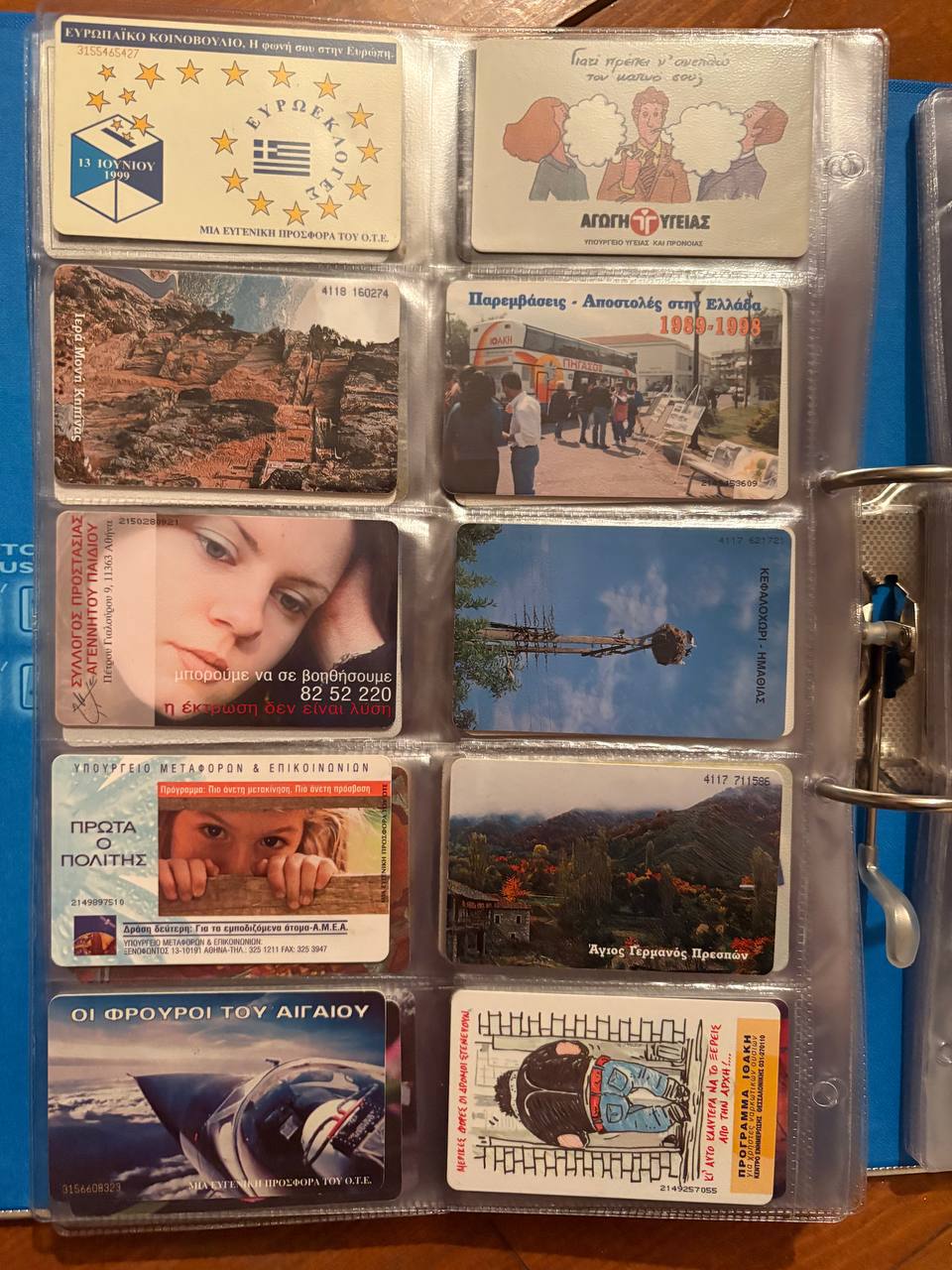
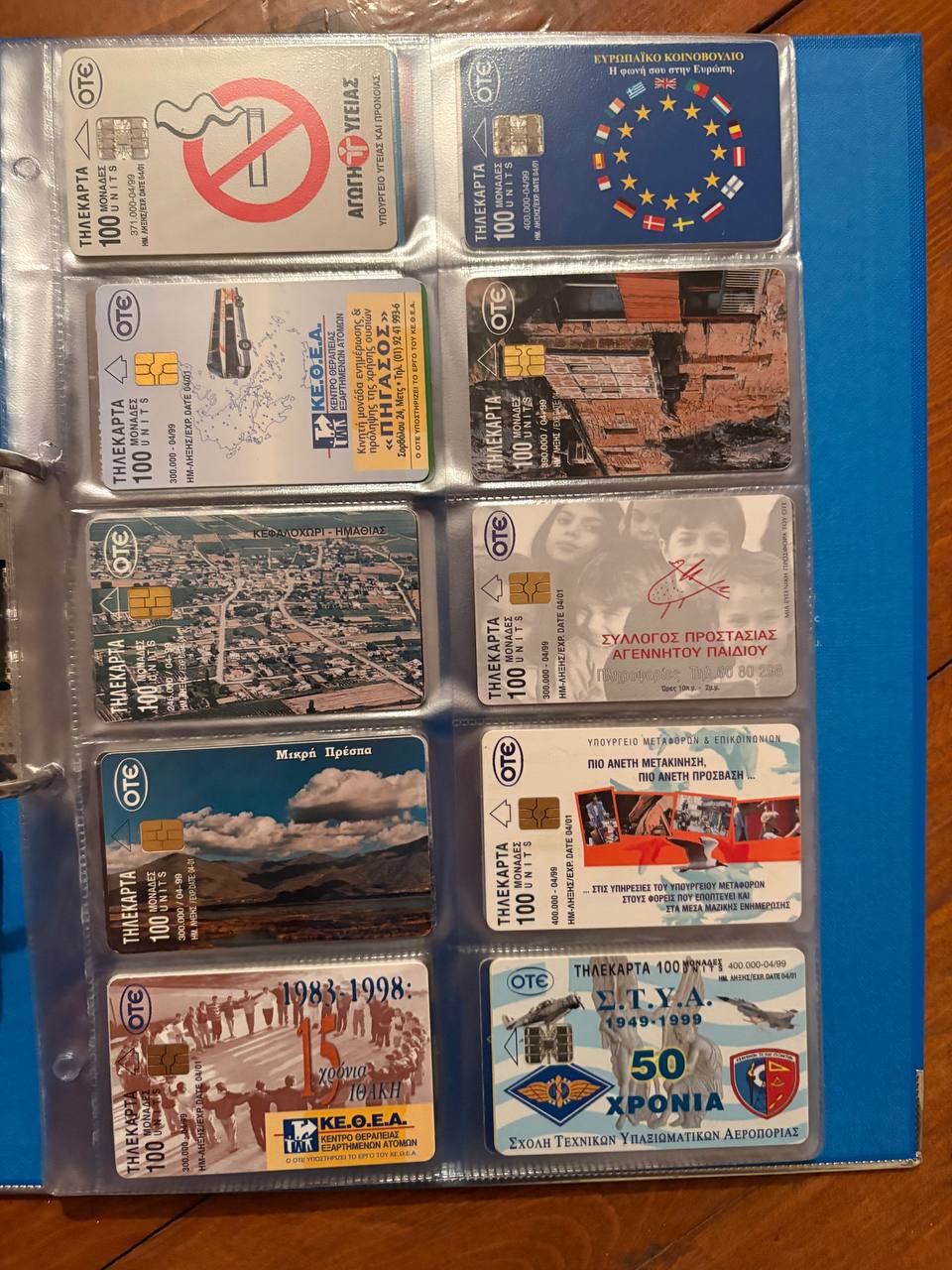
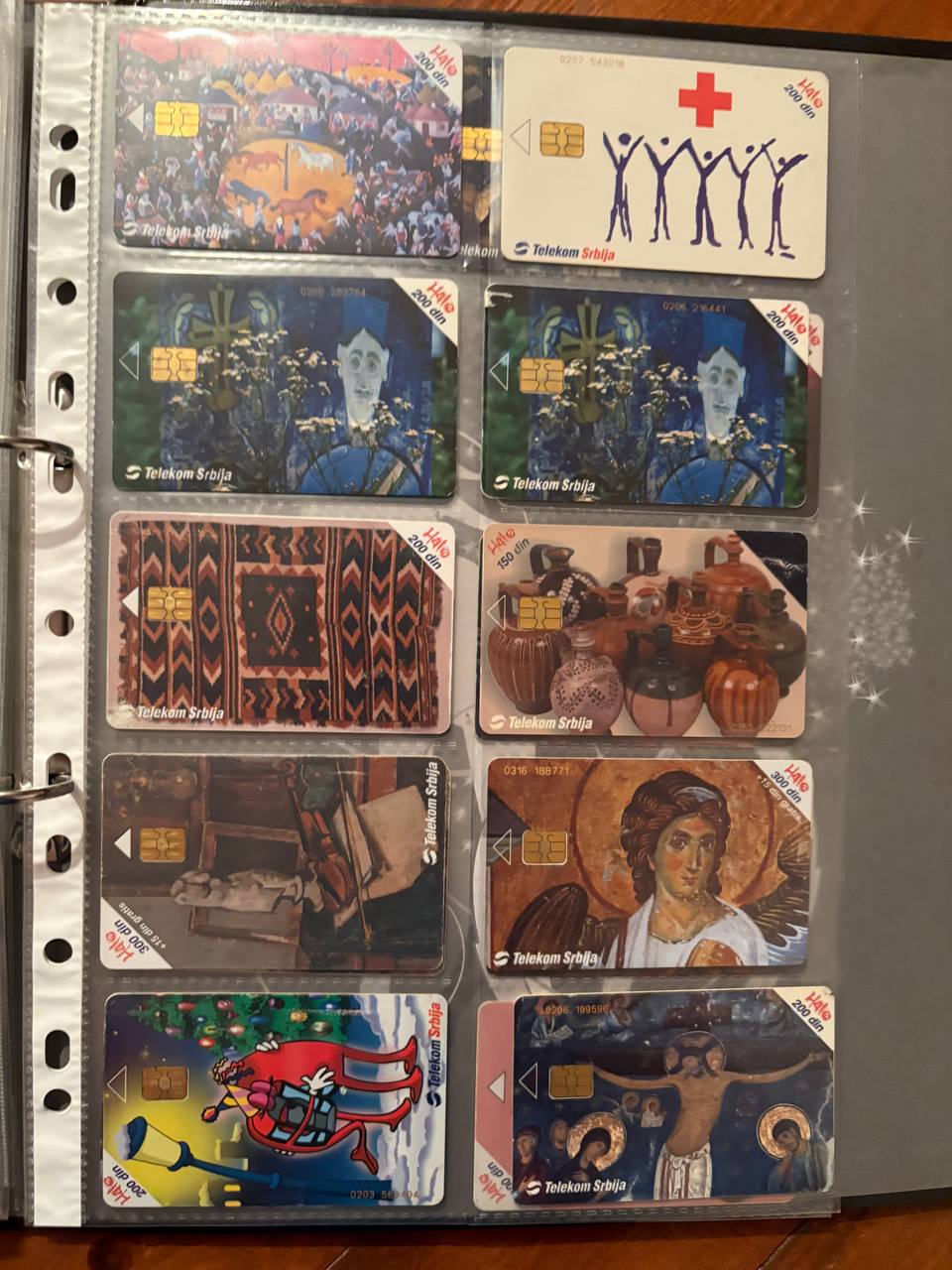
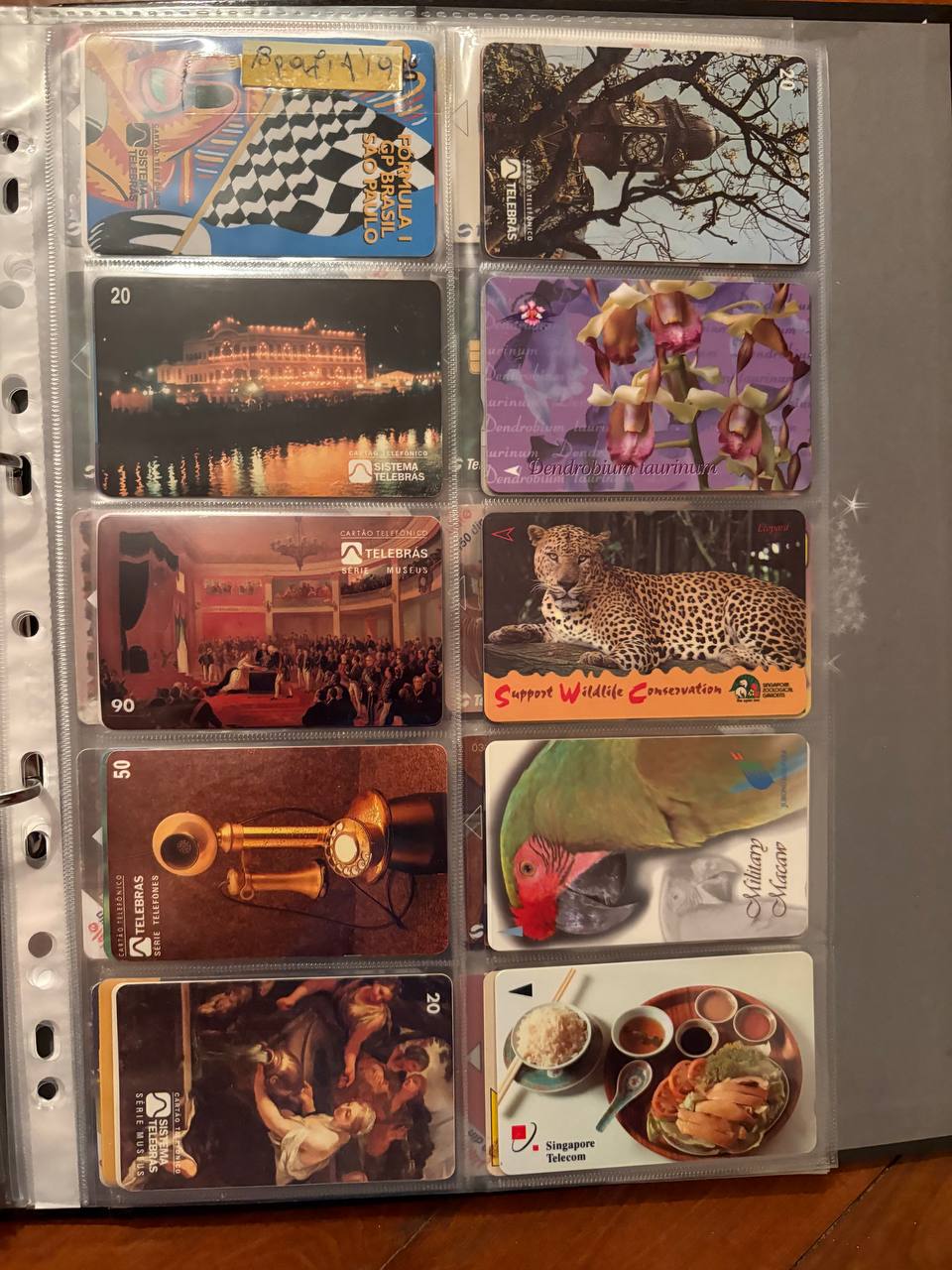
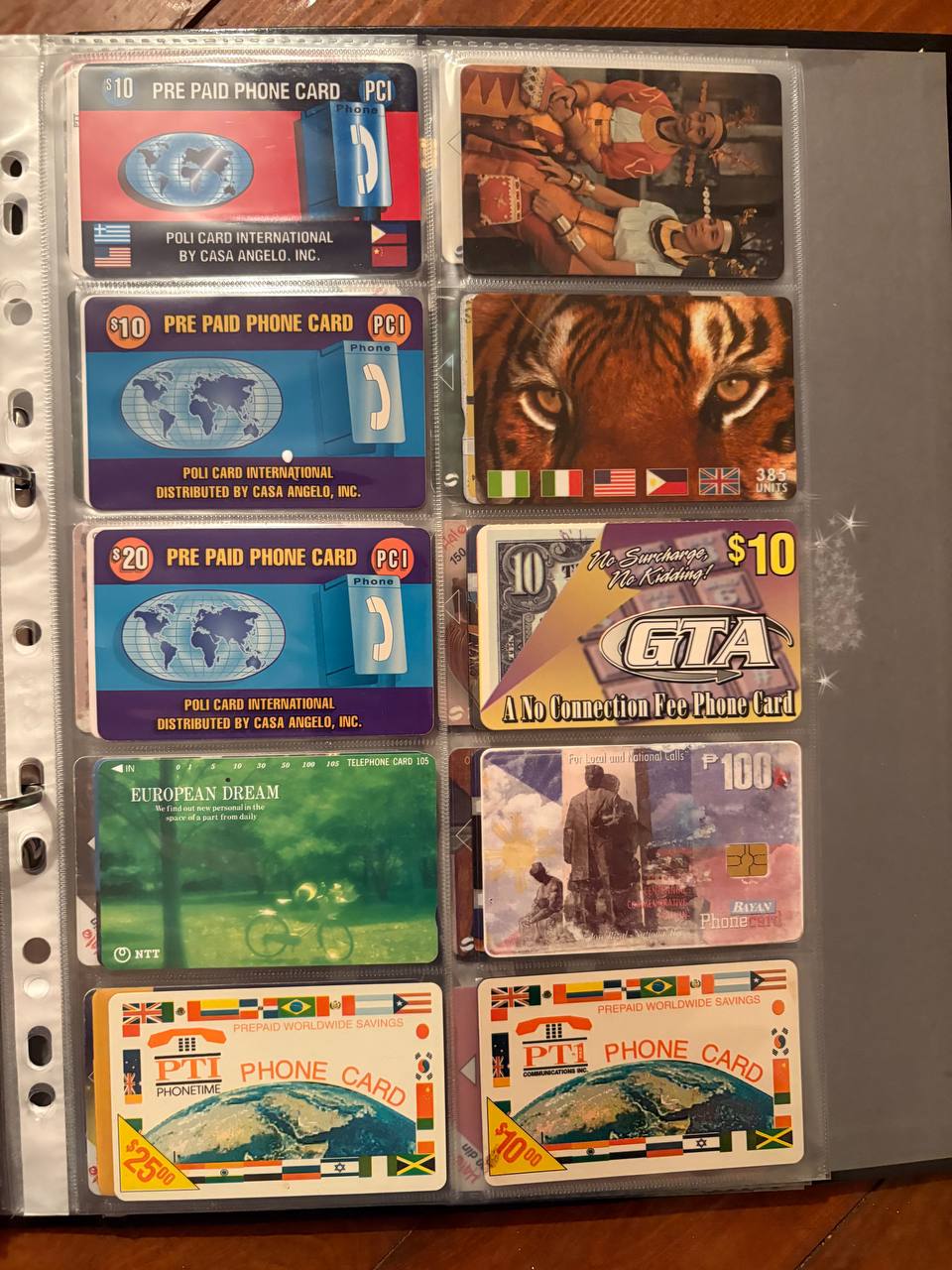
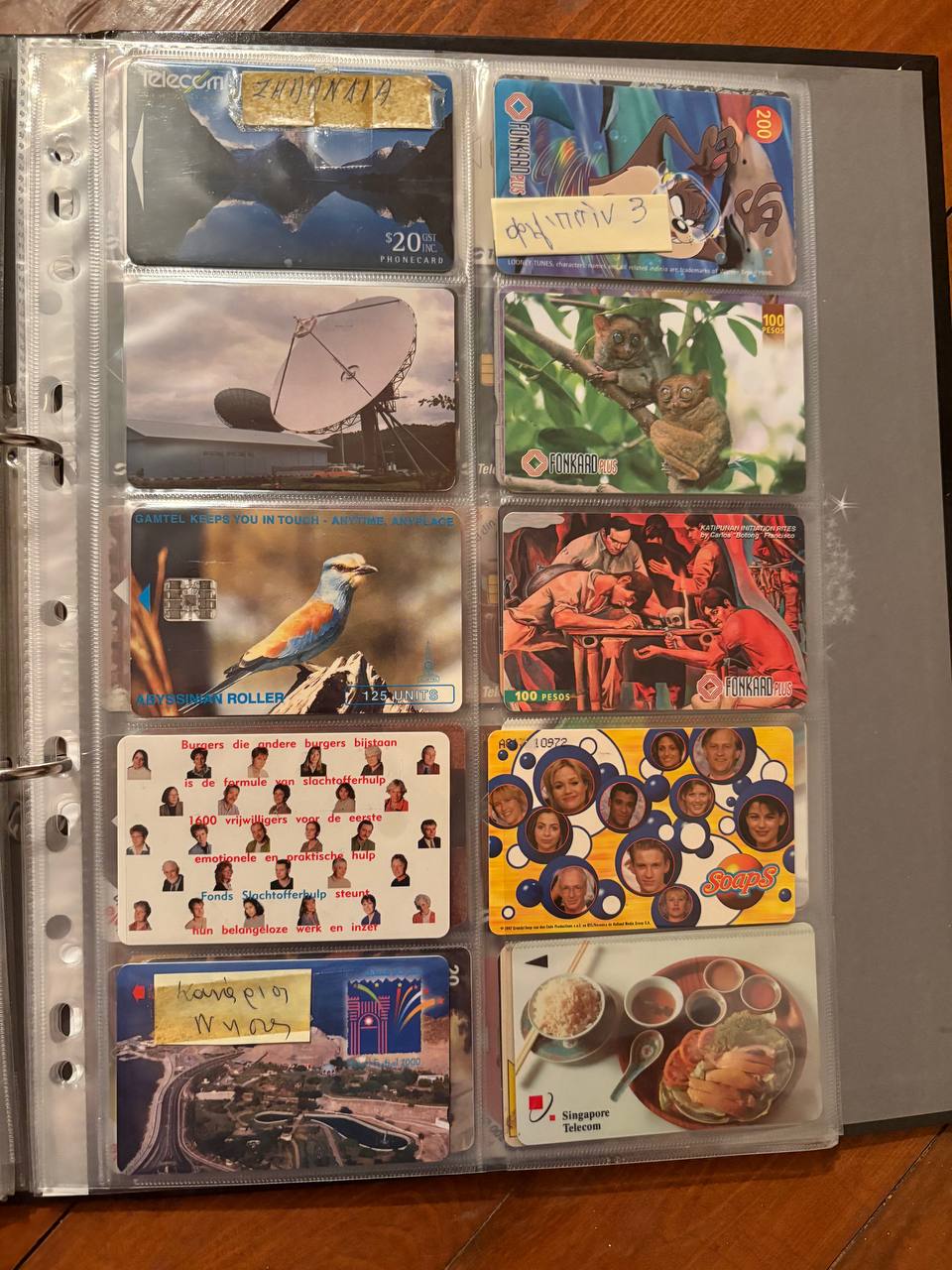
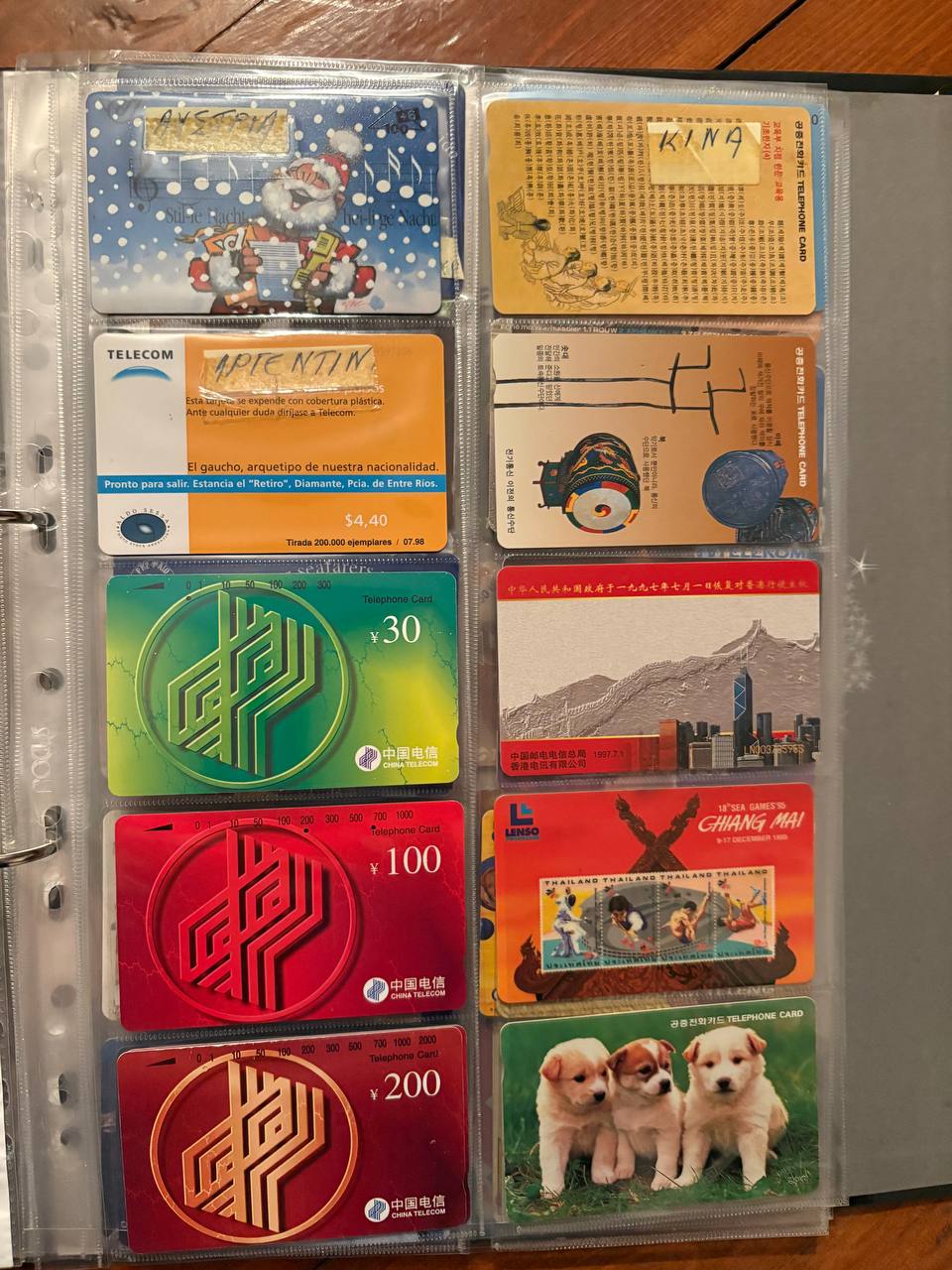
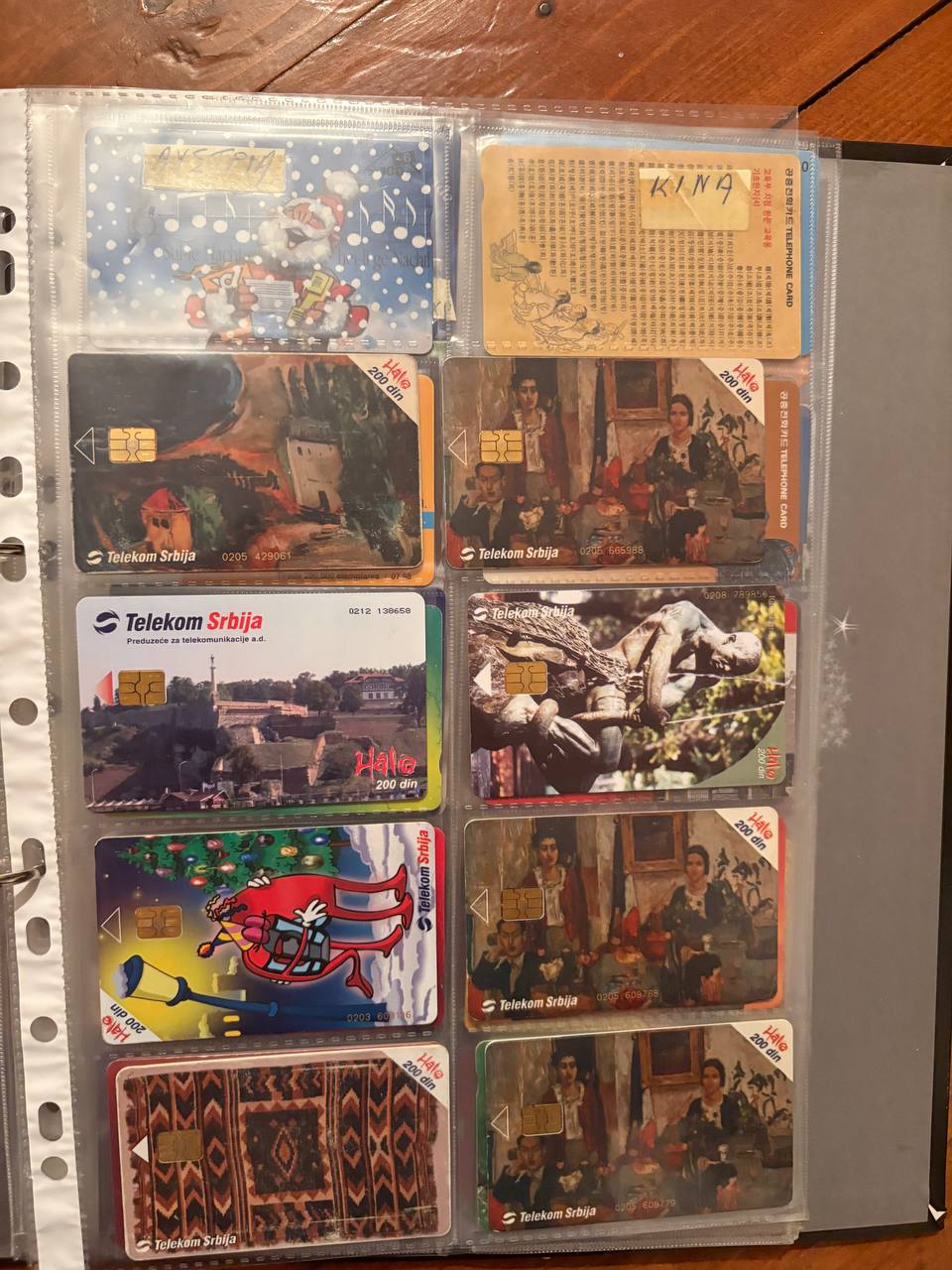
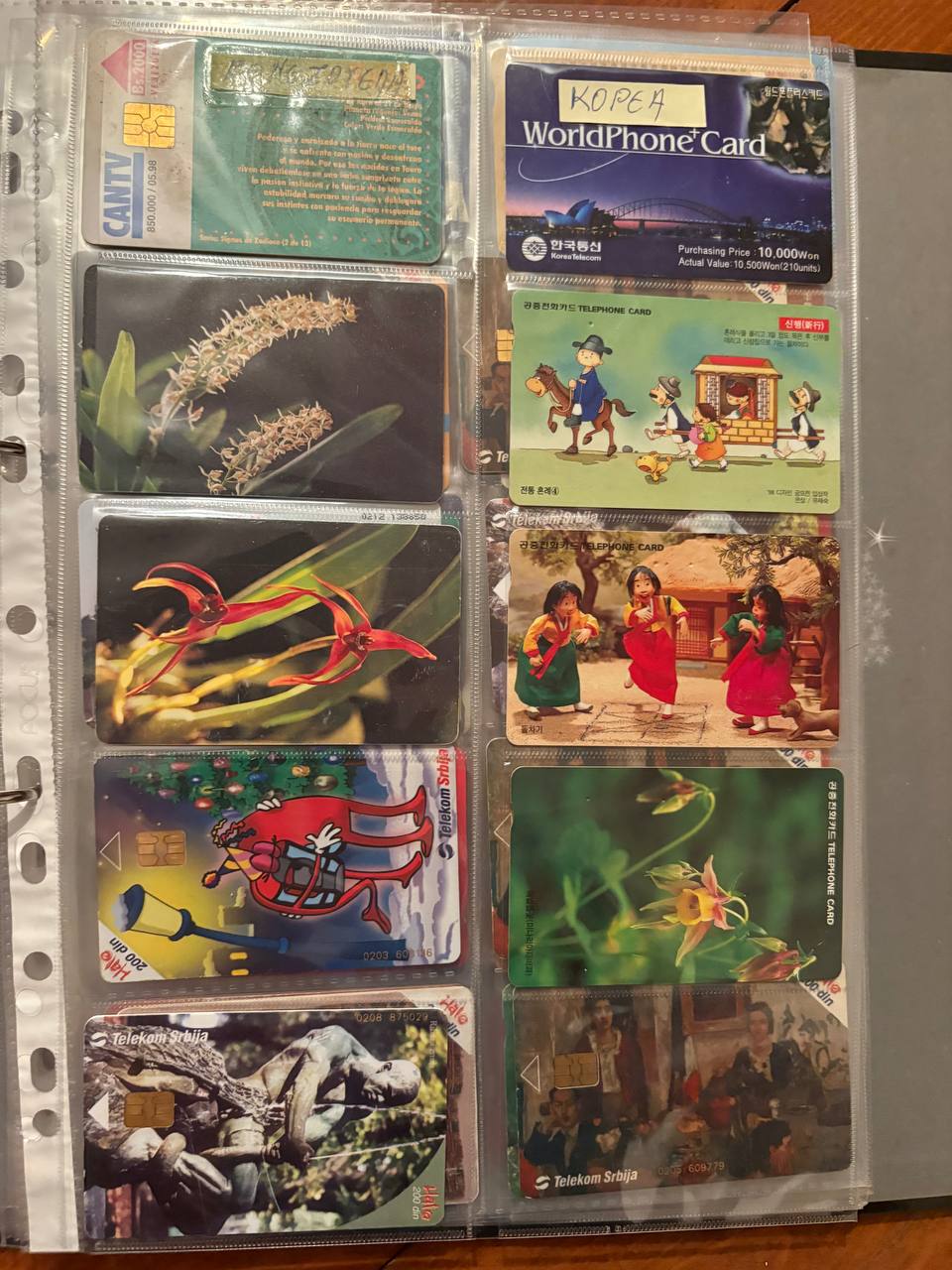
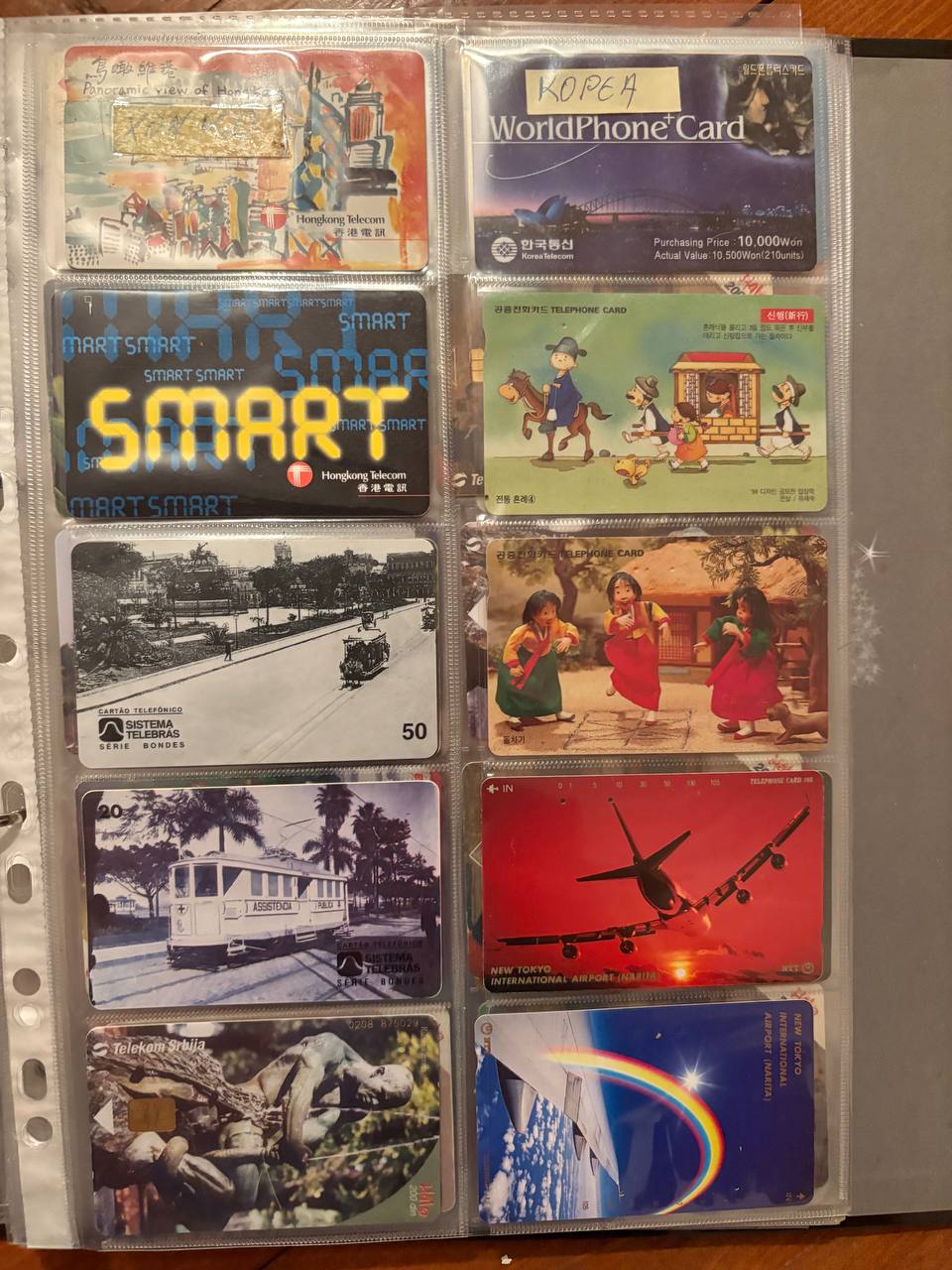
A phonecard is more than a means of communication — it is a cultural snapshot of its era. Introduced in the late 20th century, phonecards quickly became both practical tools and collectible artifacts, capturing moments of history, art, and technology on a small rectangular canvas.
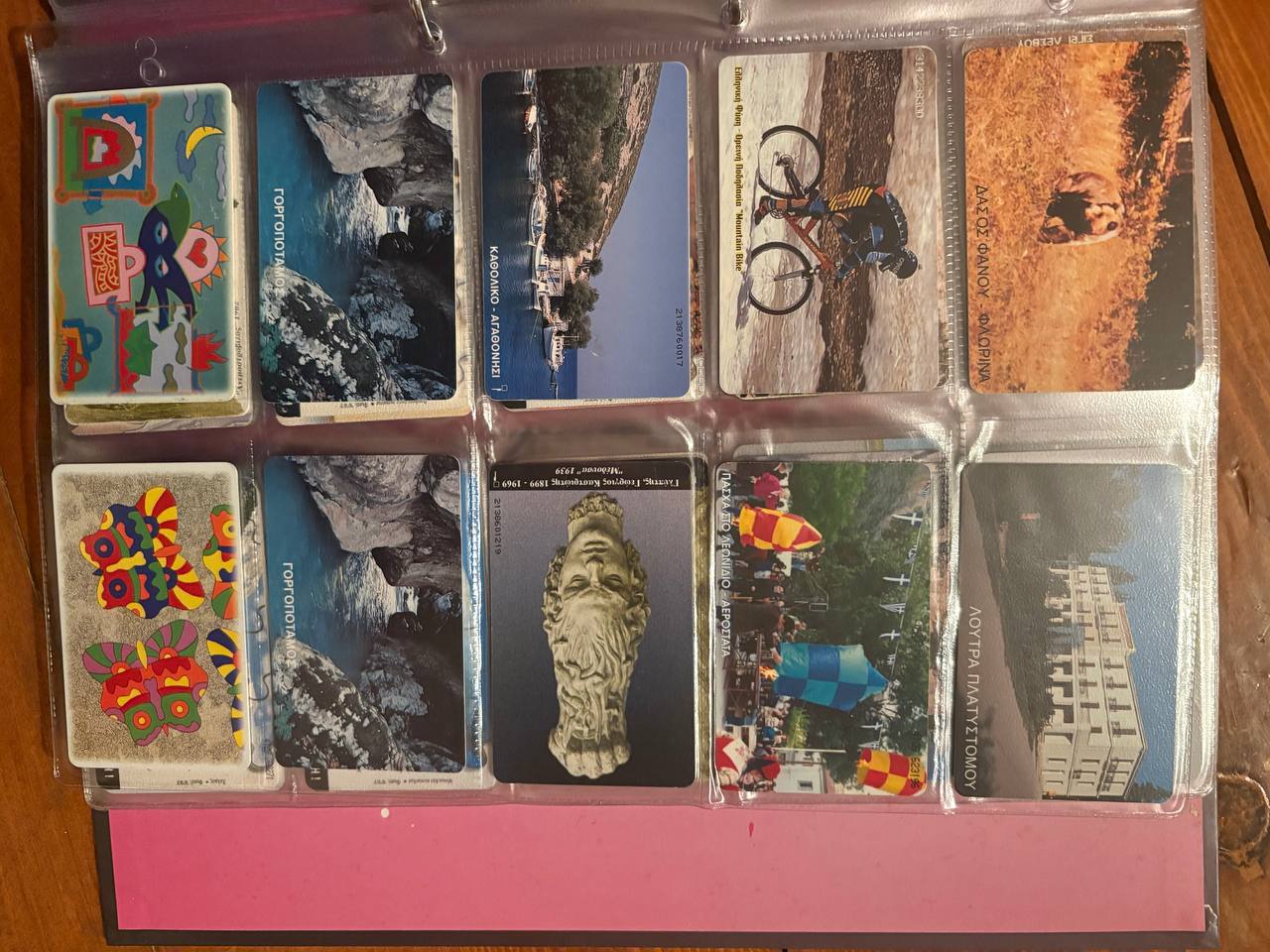
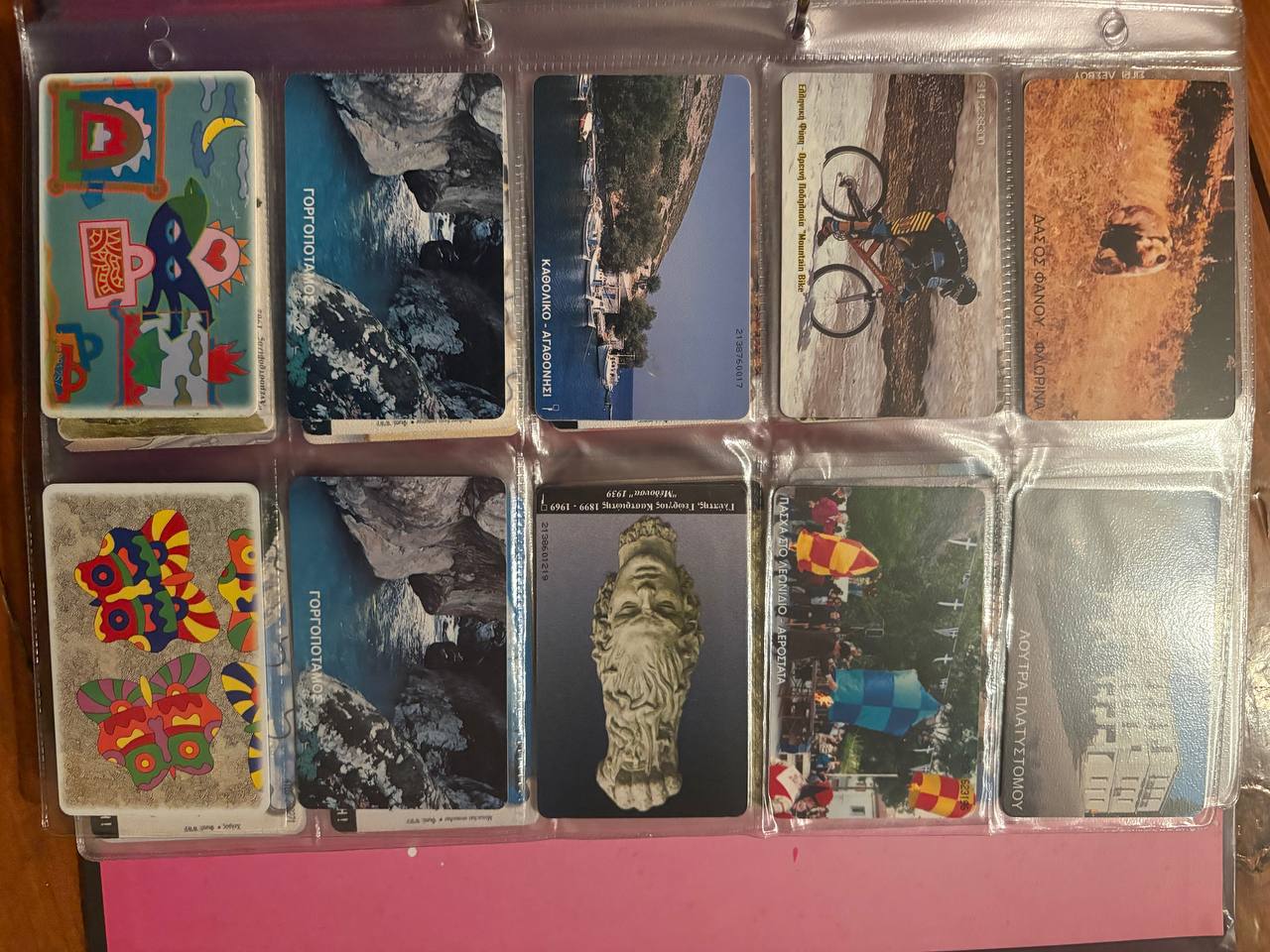
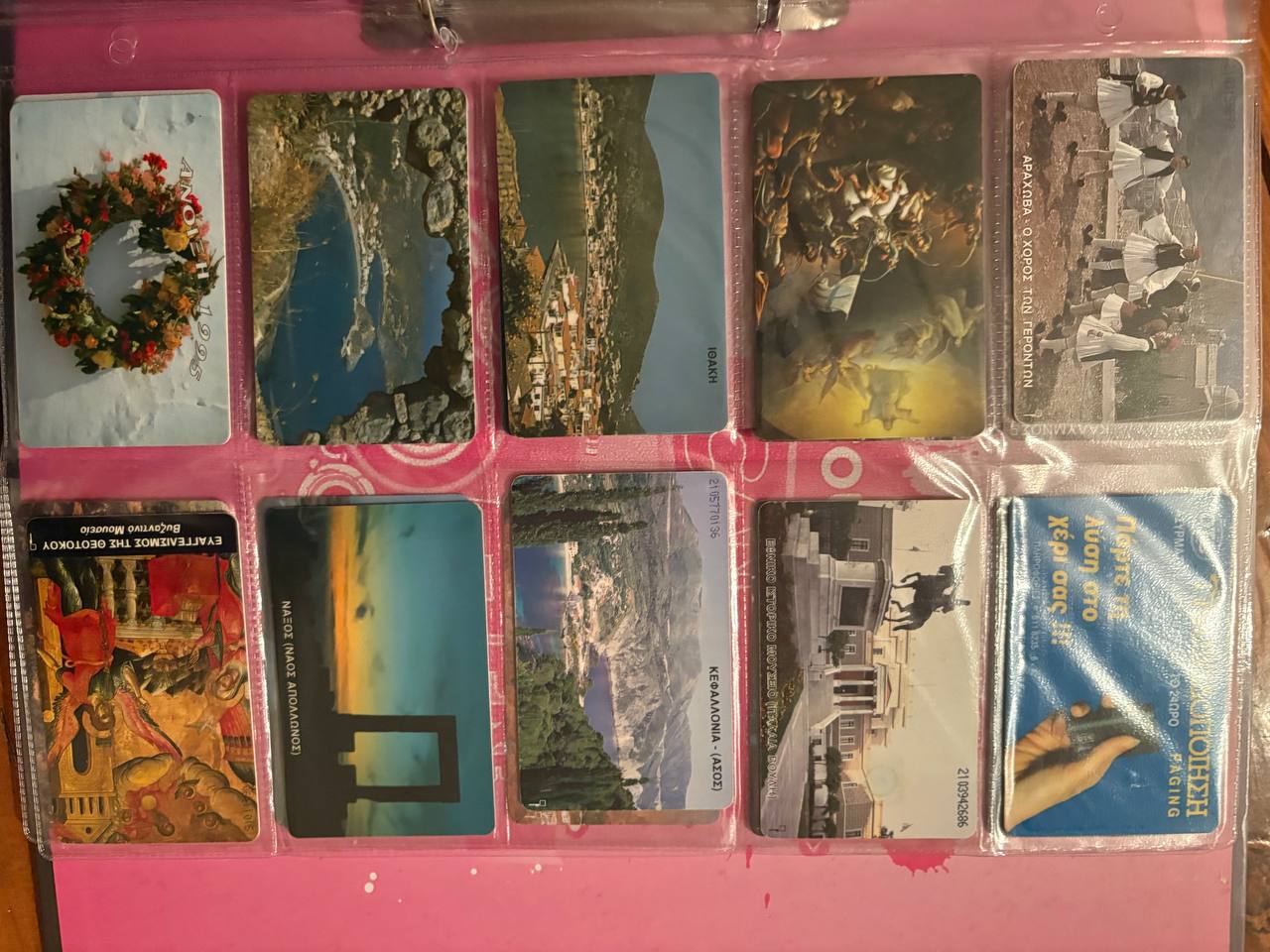
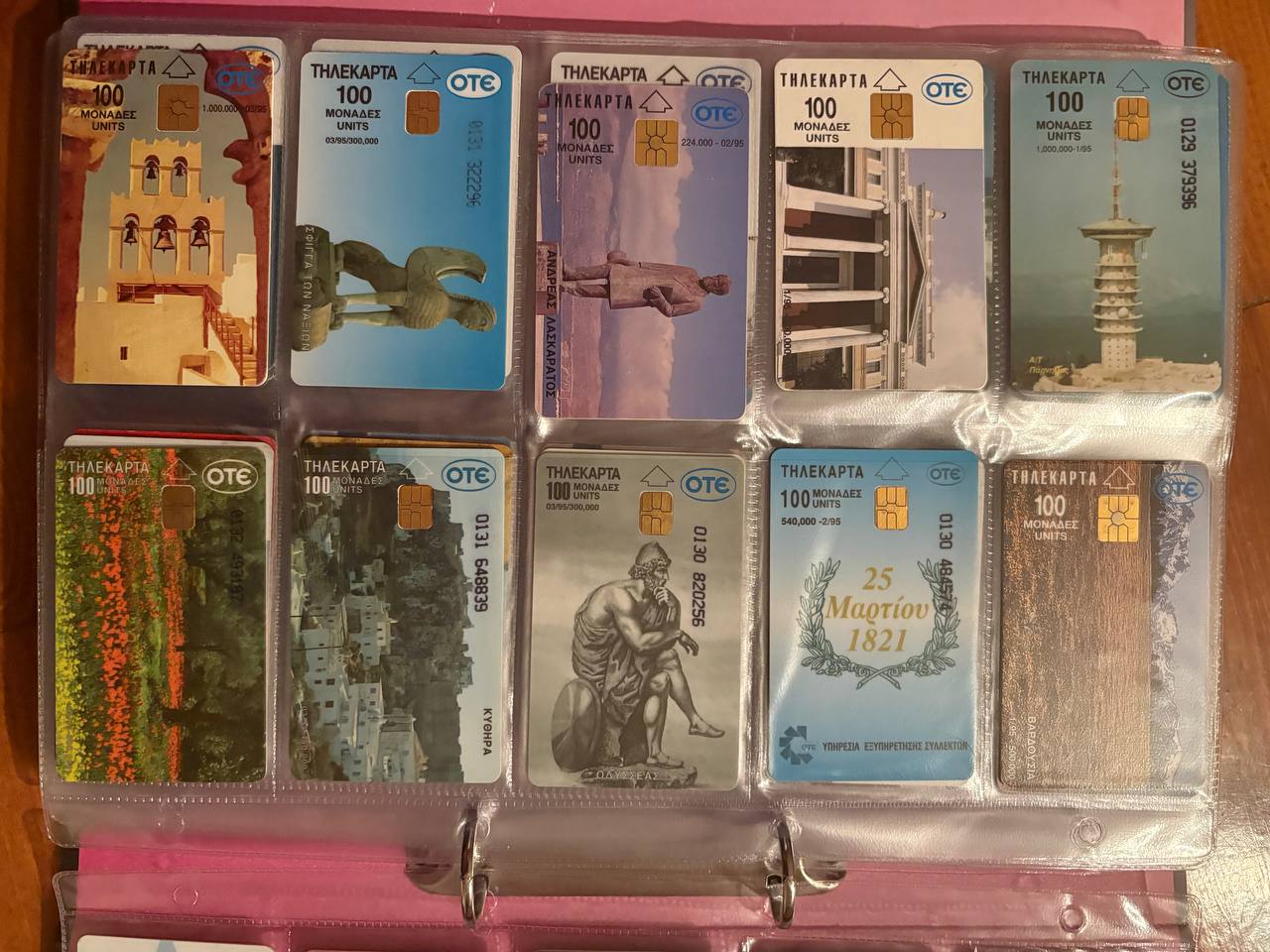
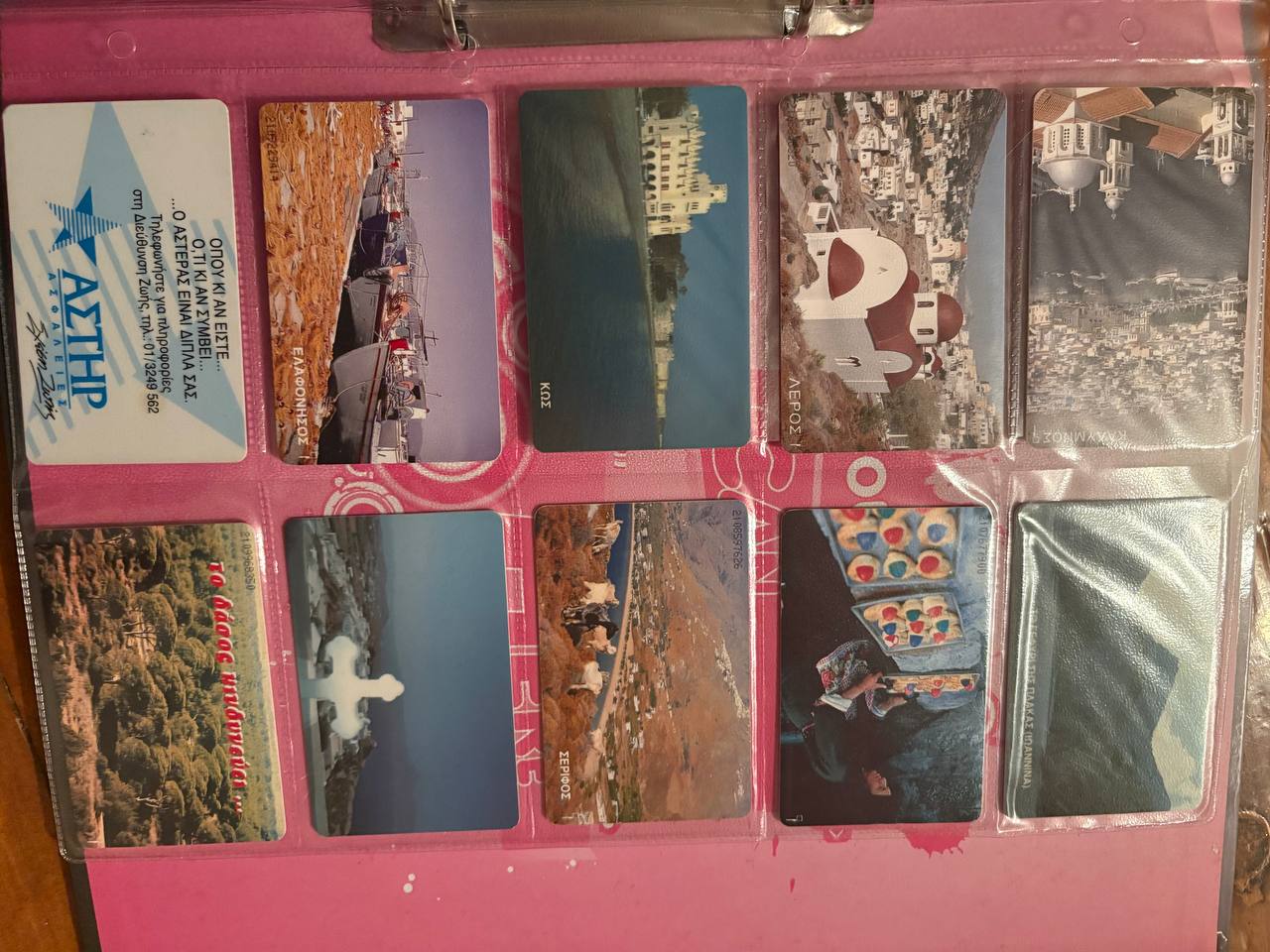
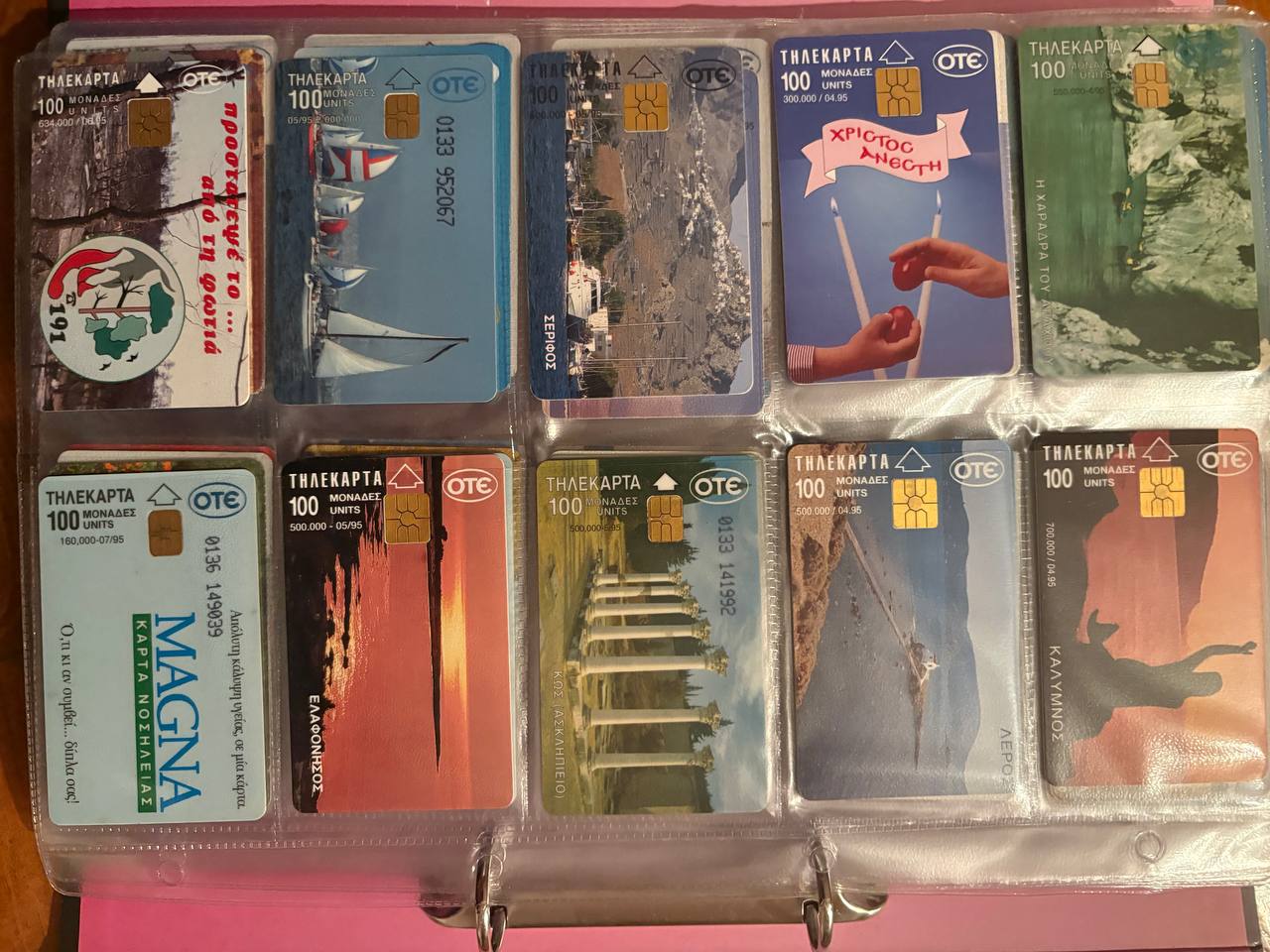
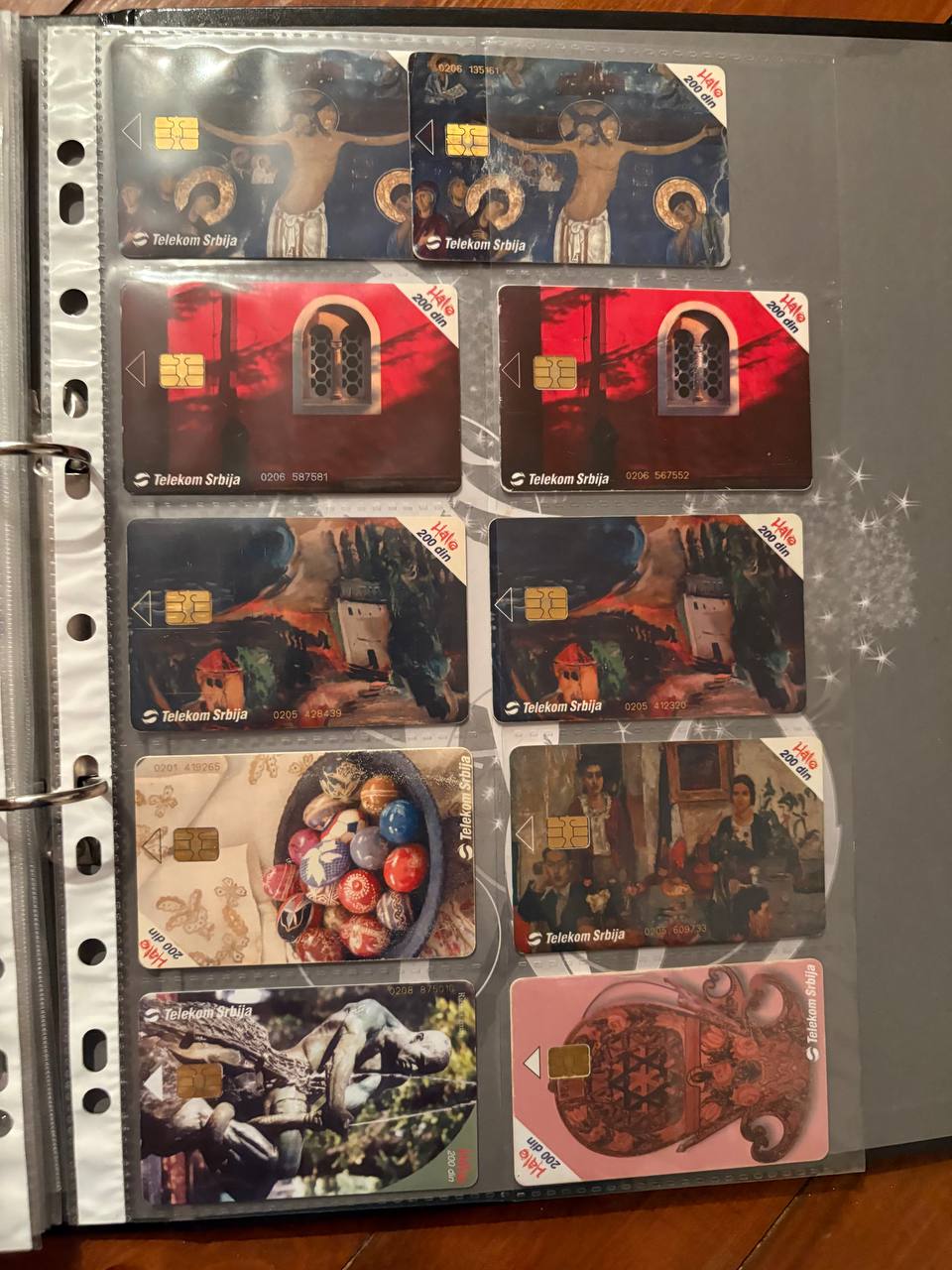
For collectors, phonecards offer a fascinating look into the evolution of telecommunication design, national identity, and advertising creativity. Each issue tells a story — from commemorative releases celebrating major events to limited-edition prints honoring artists, landmarks, or organizations.
Ιστορικό Υπόβαθρο
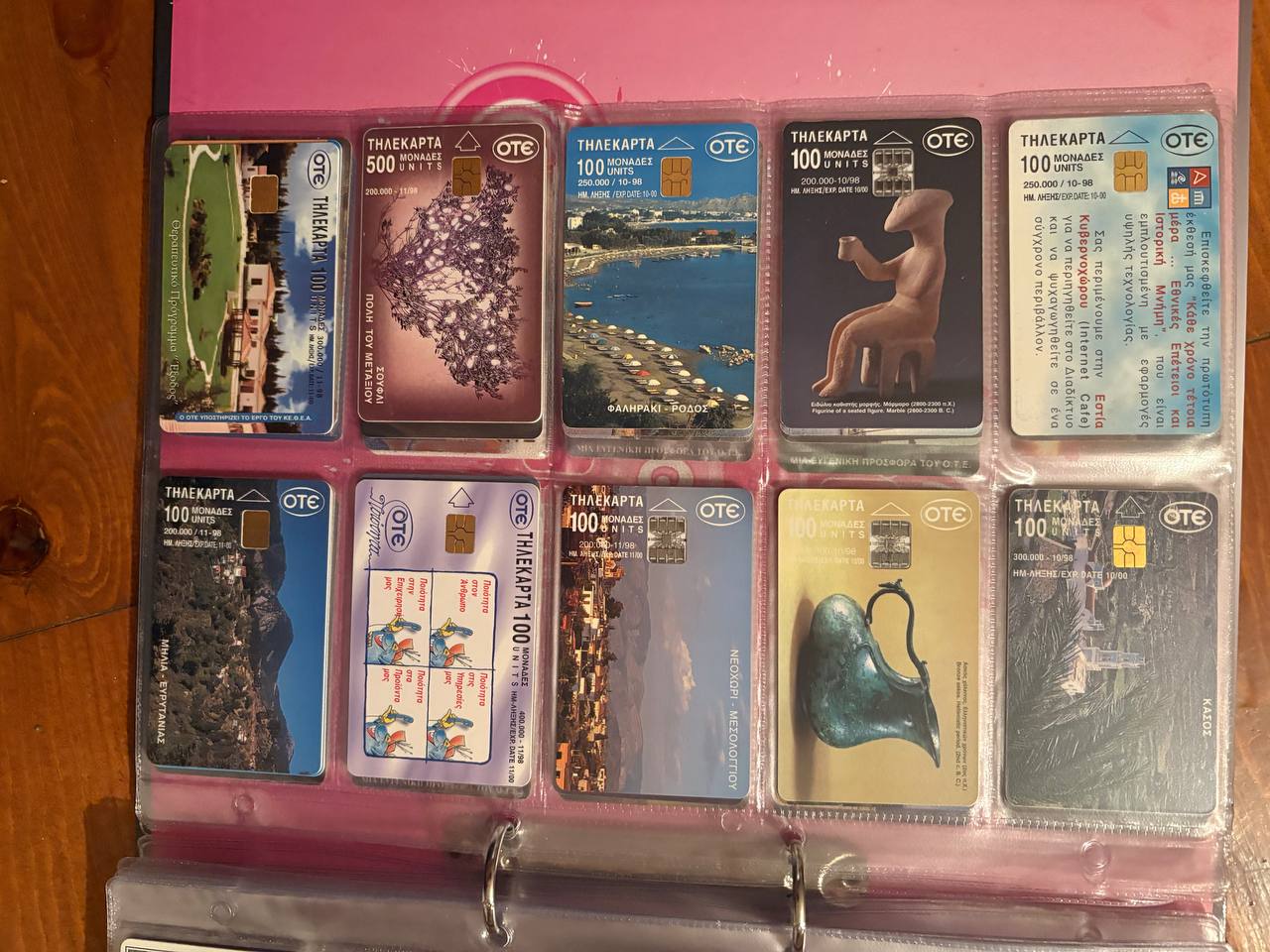
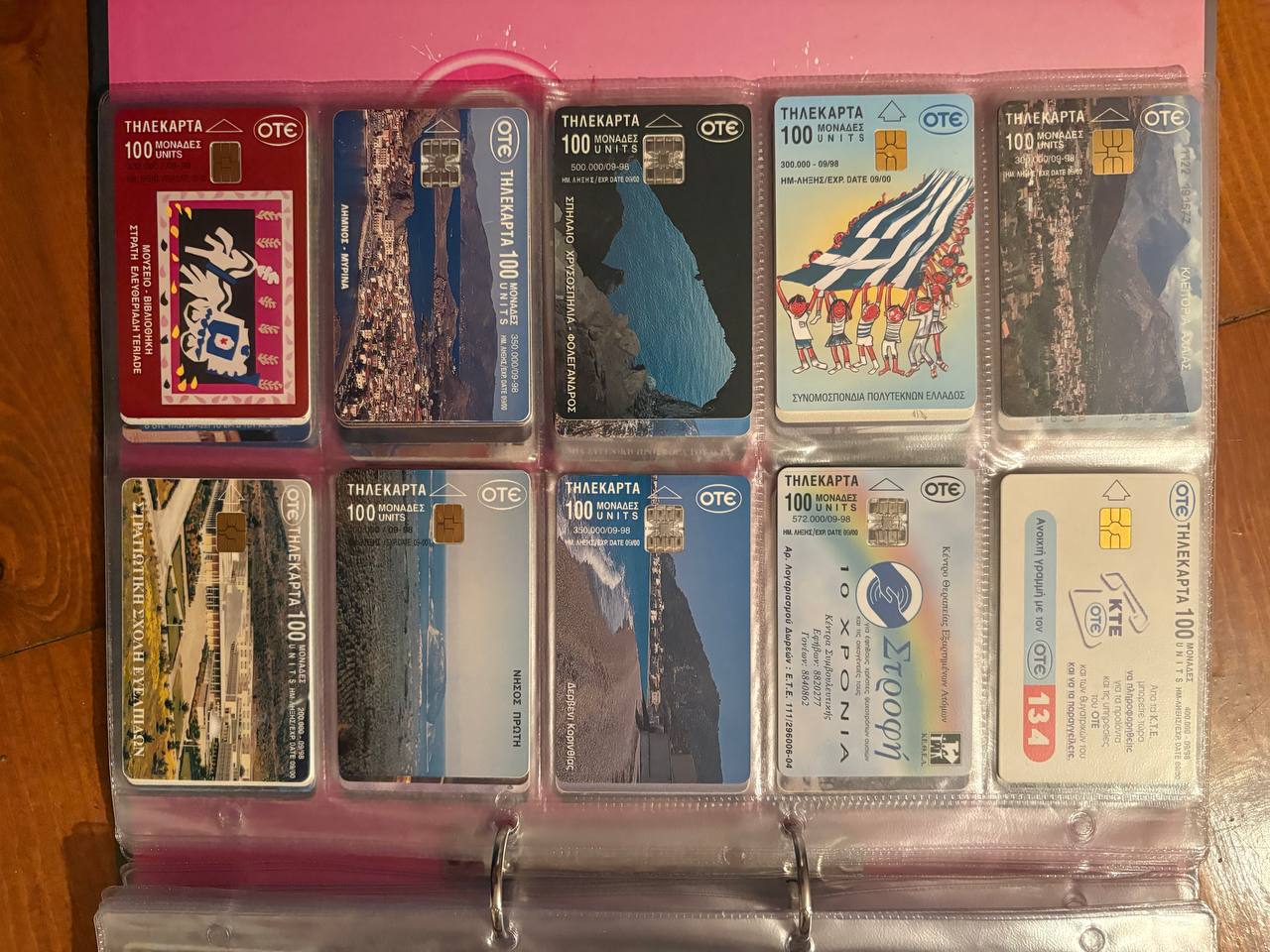
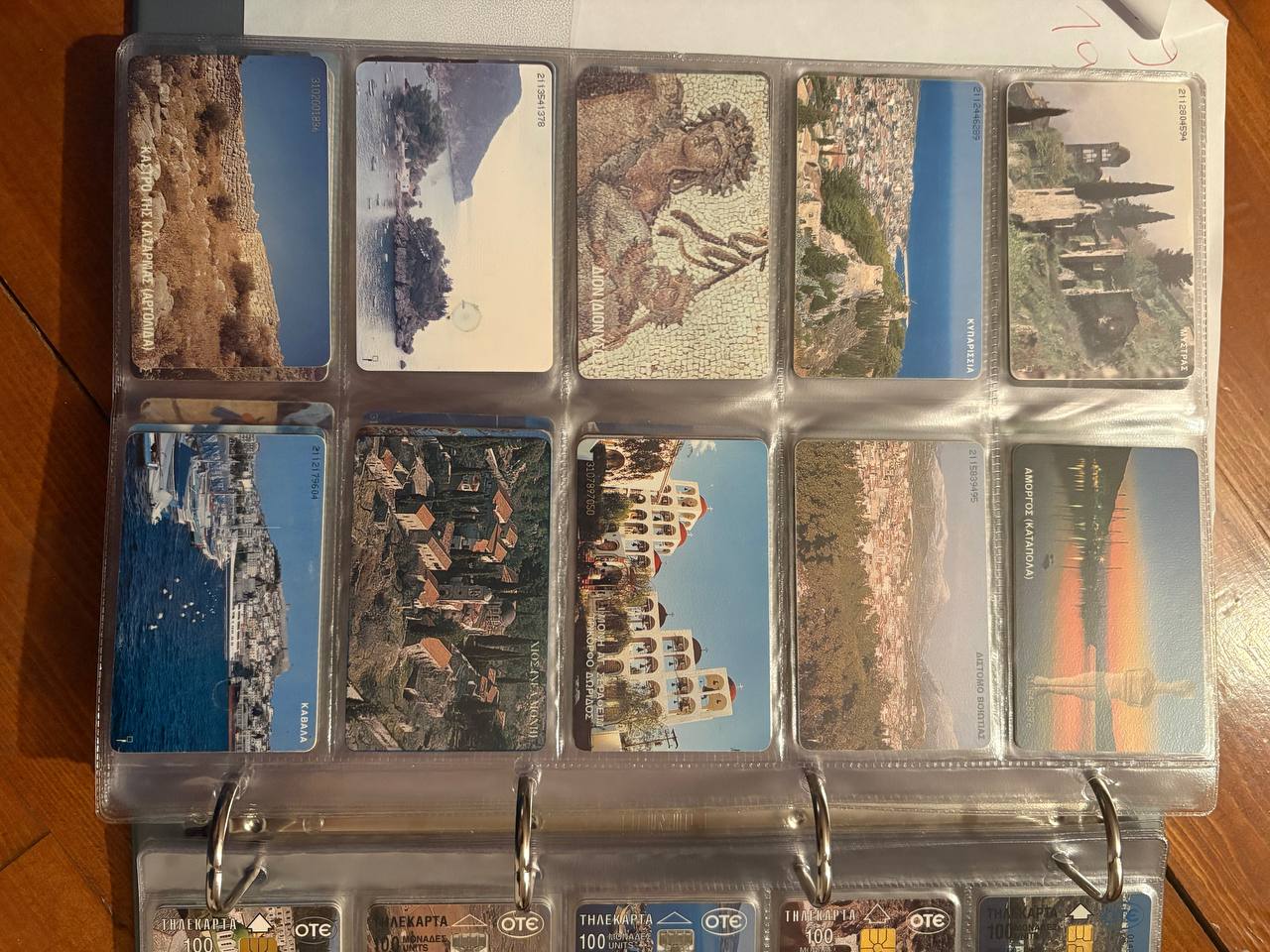
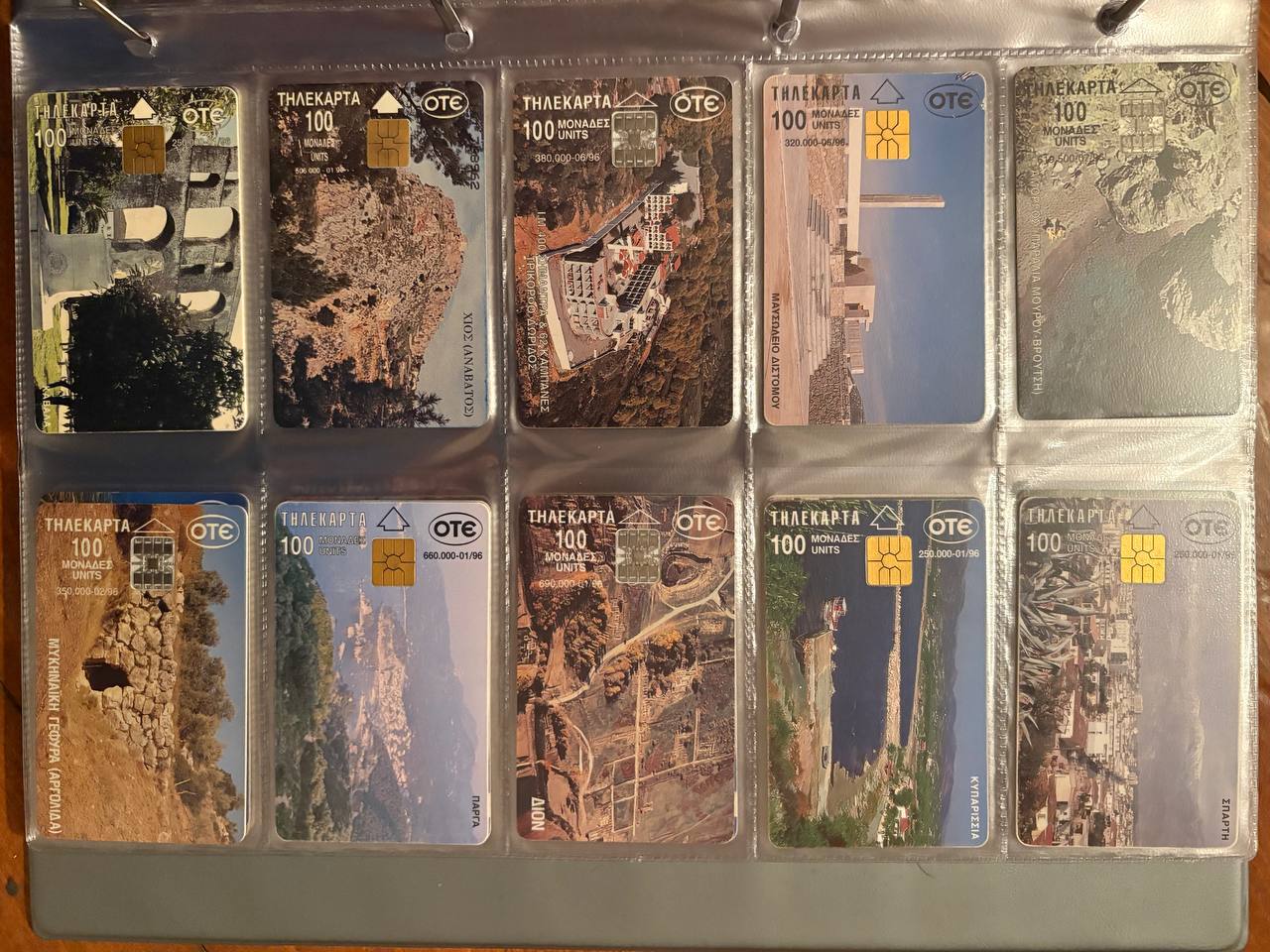
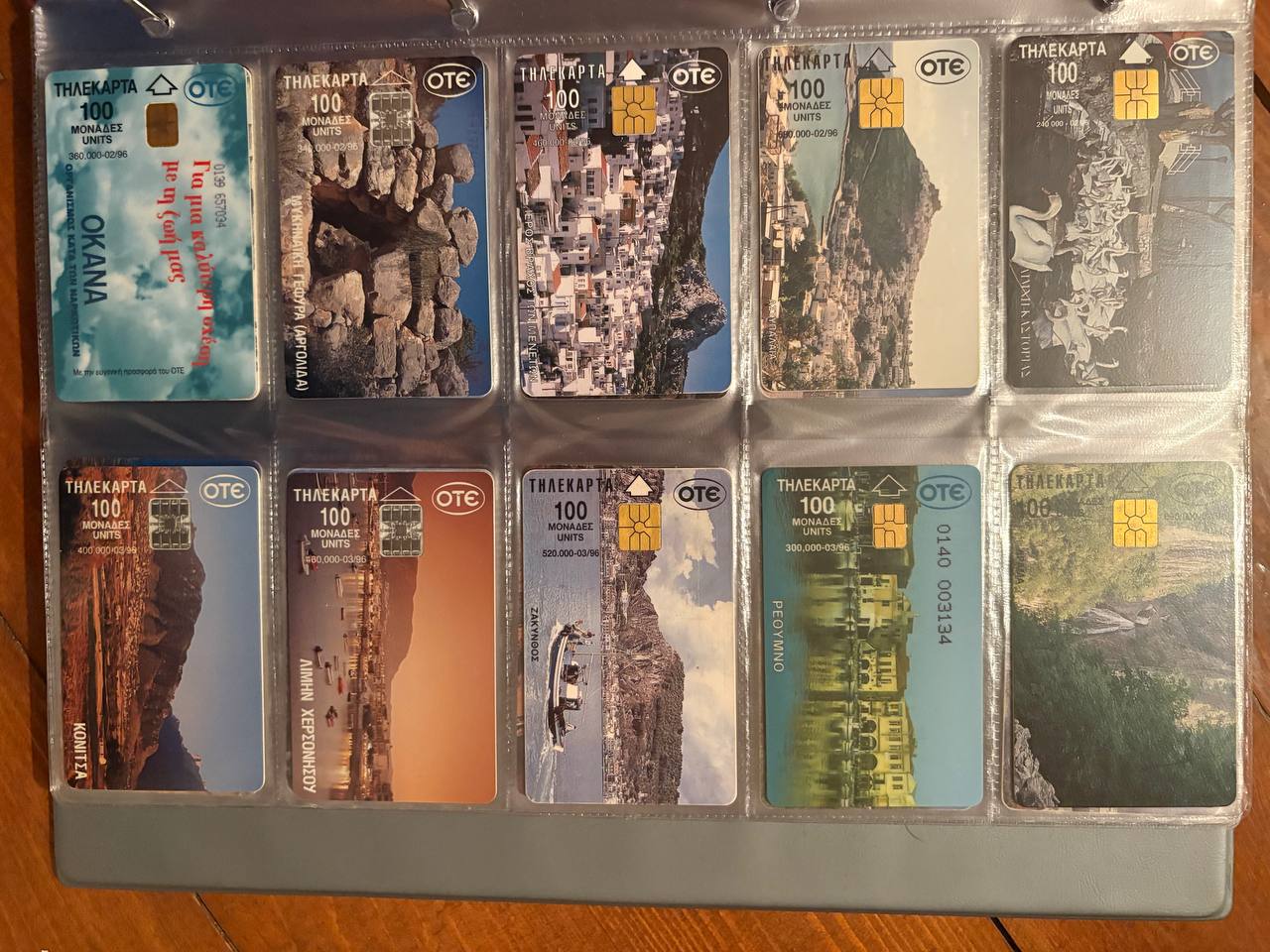
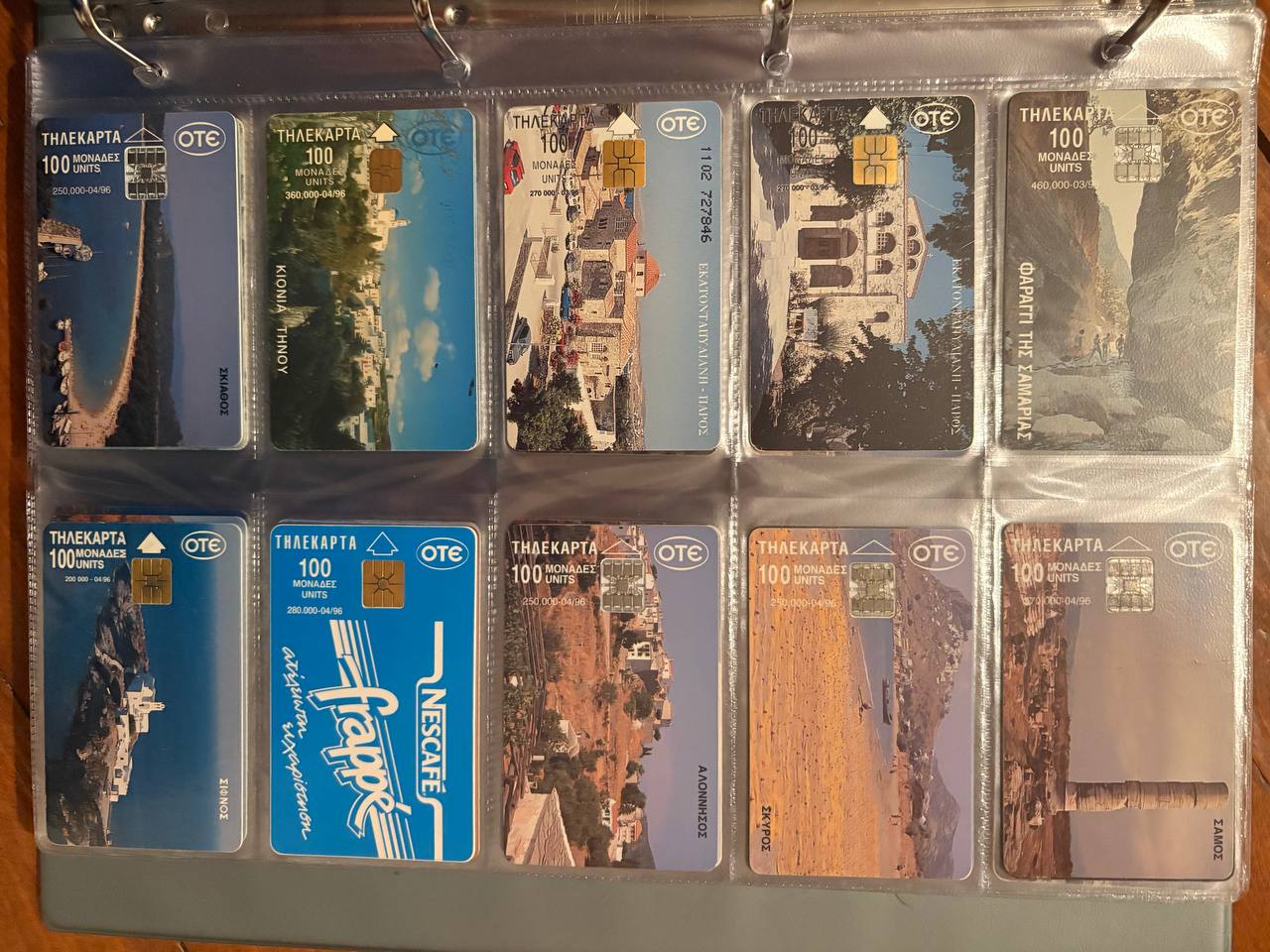
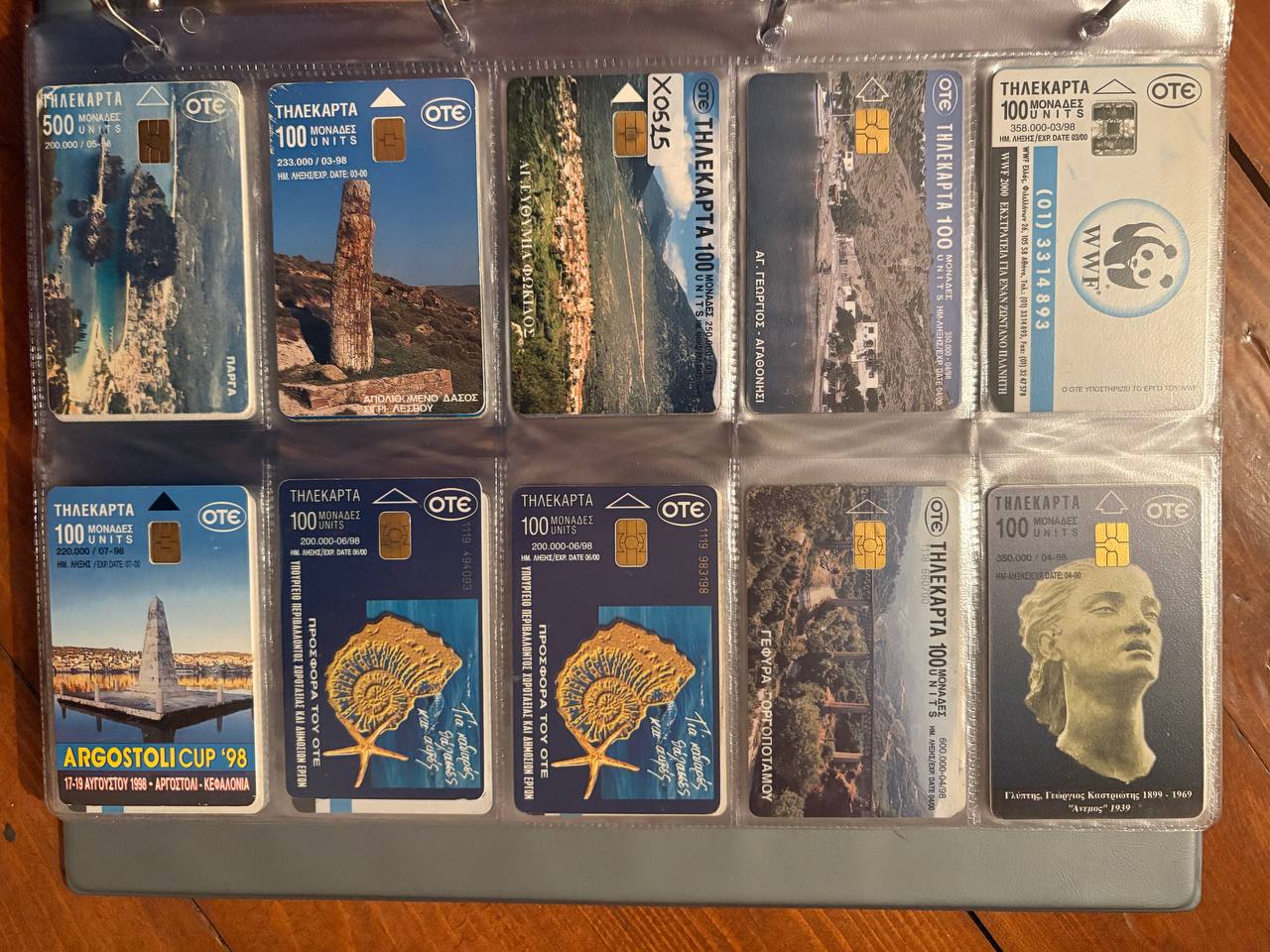
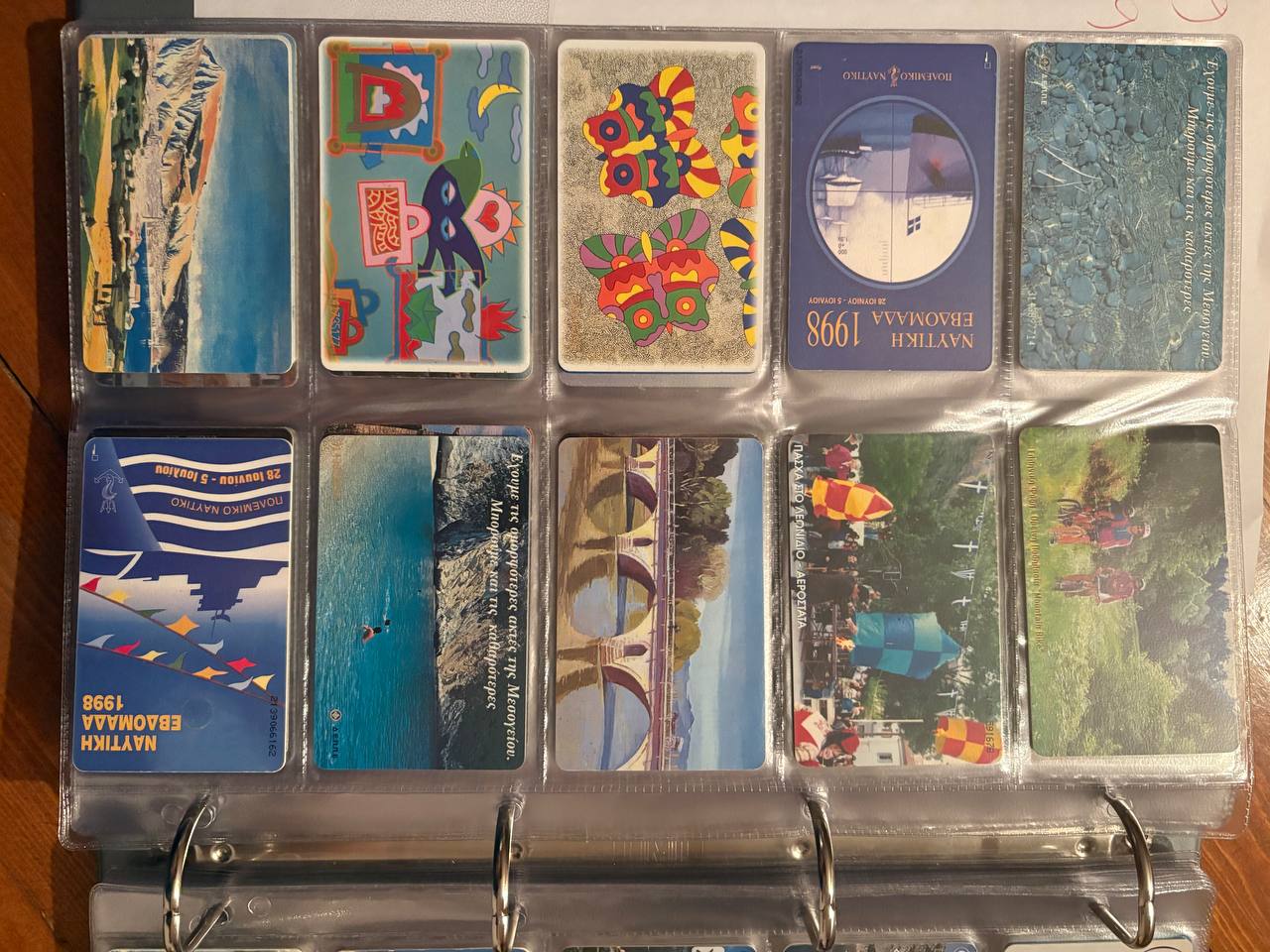
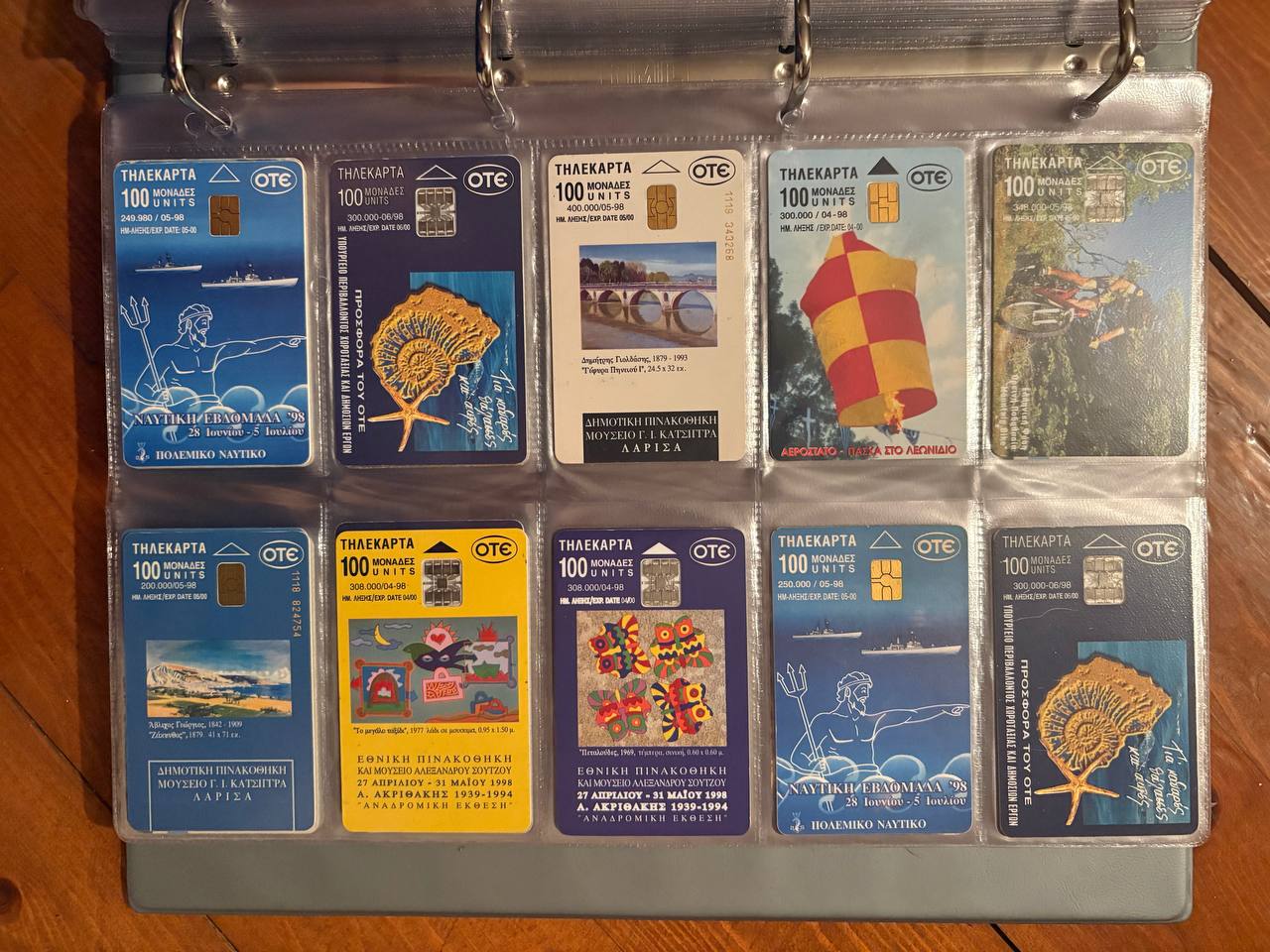
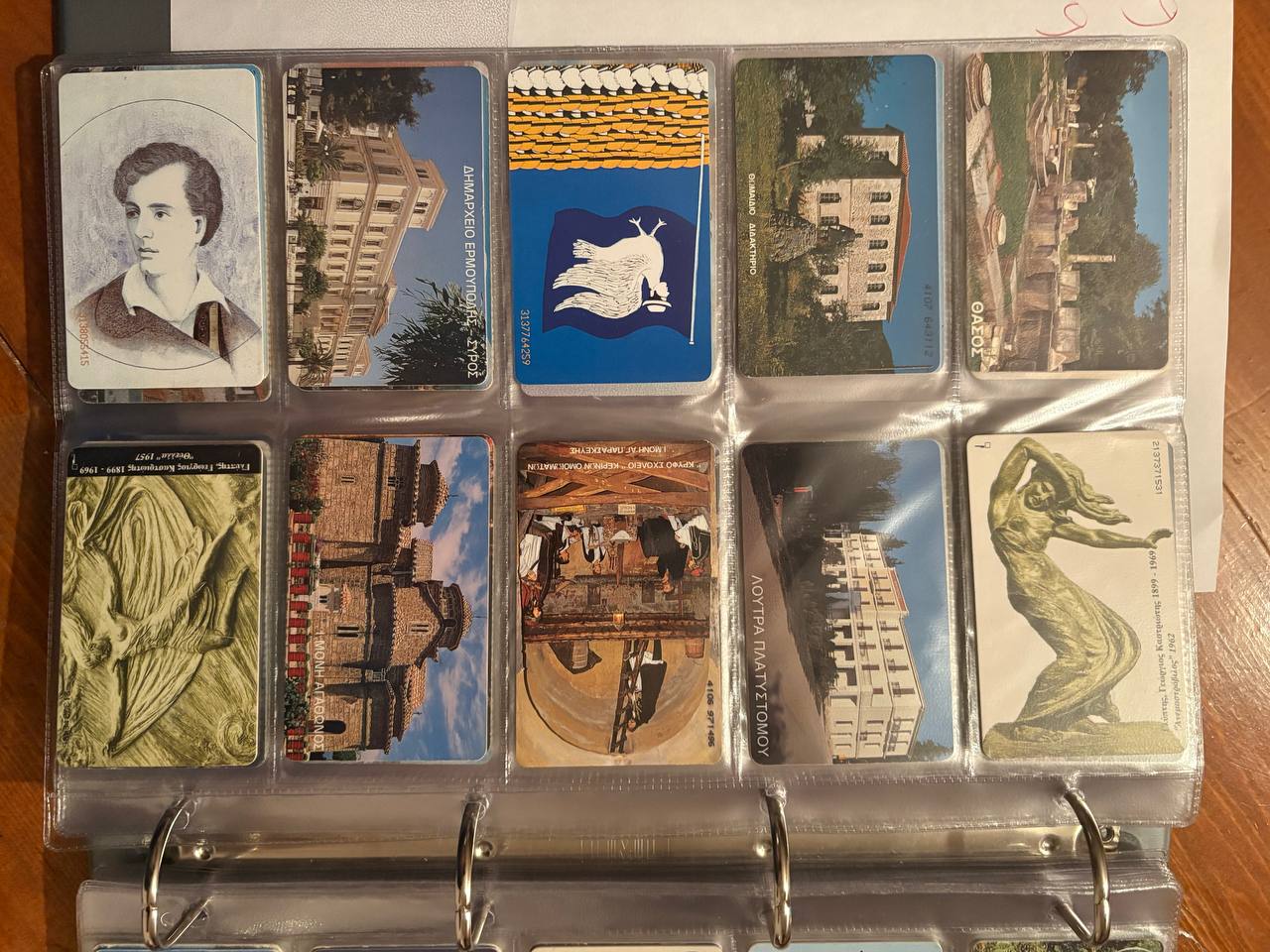
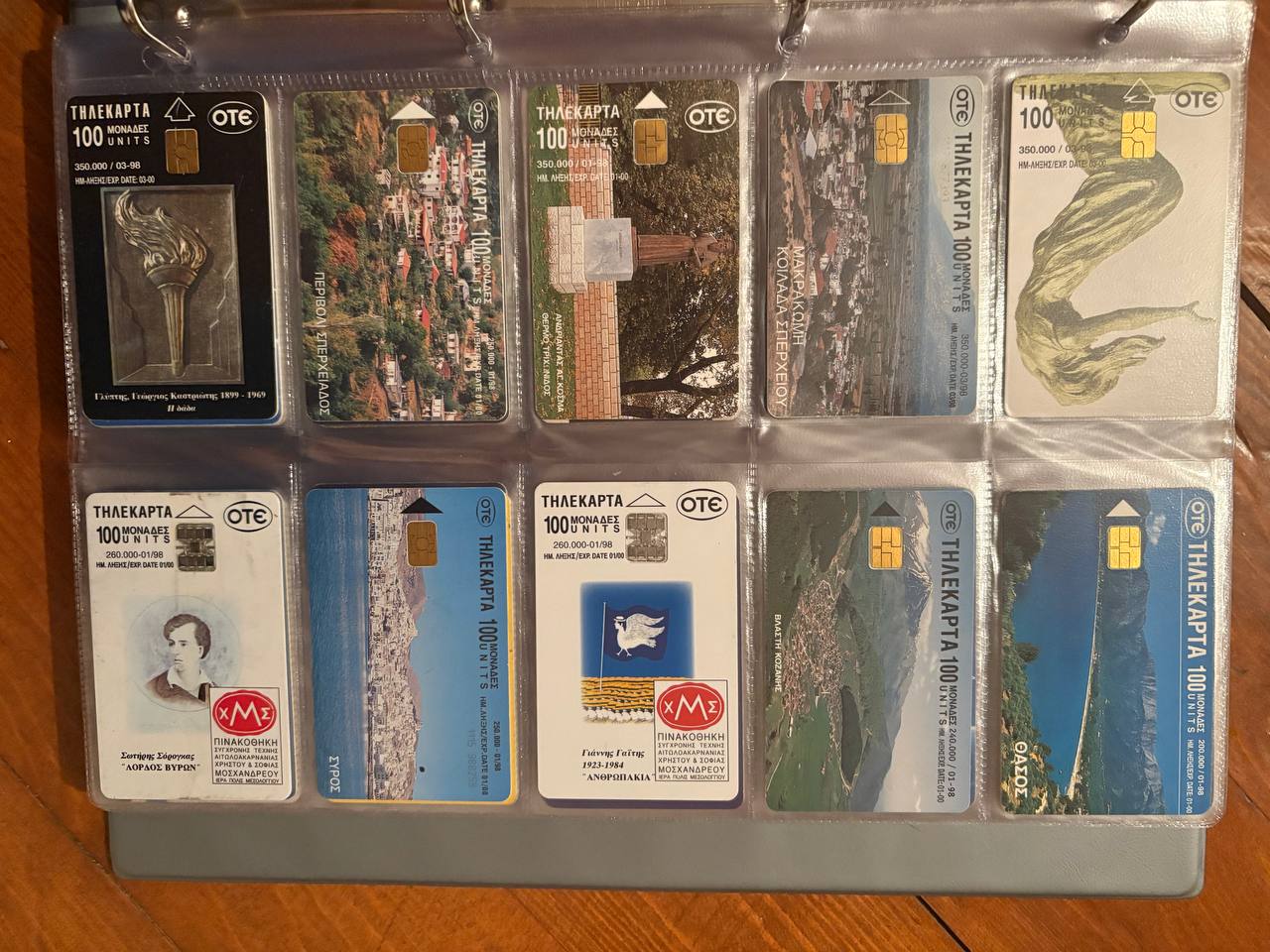
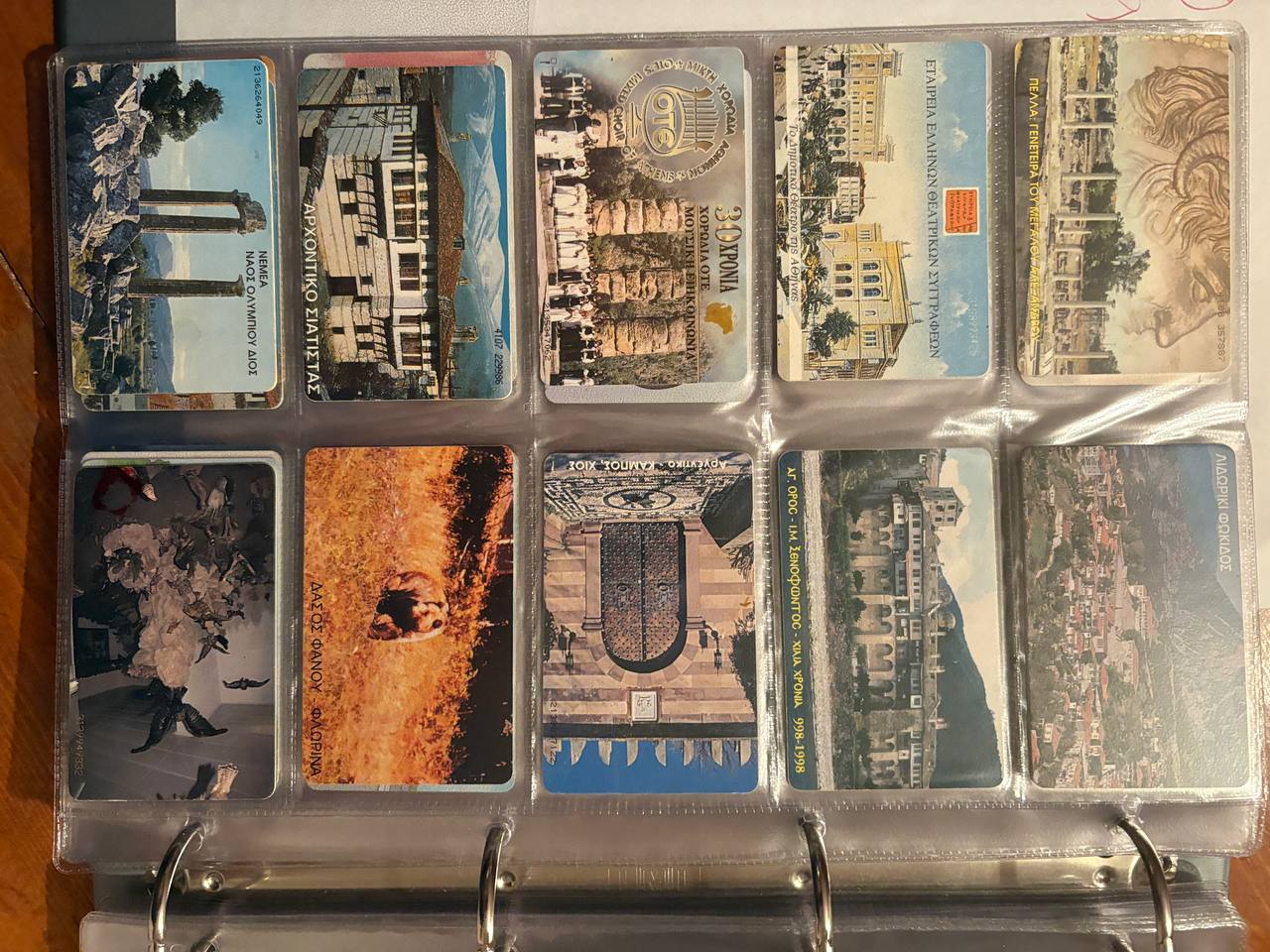
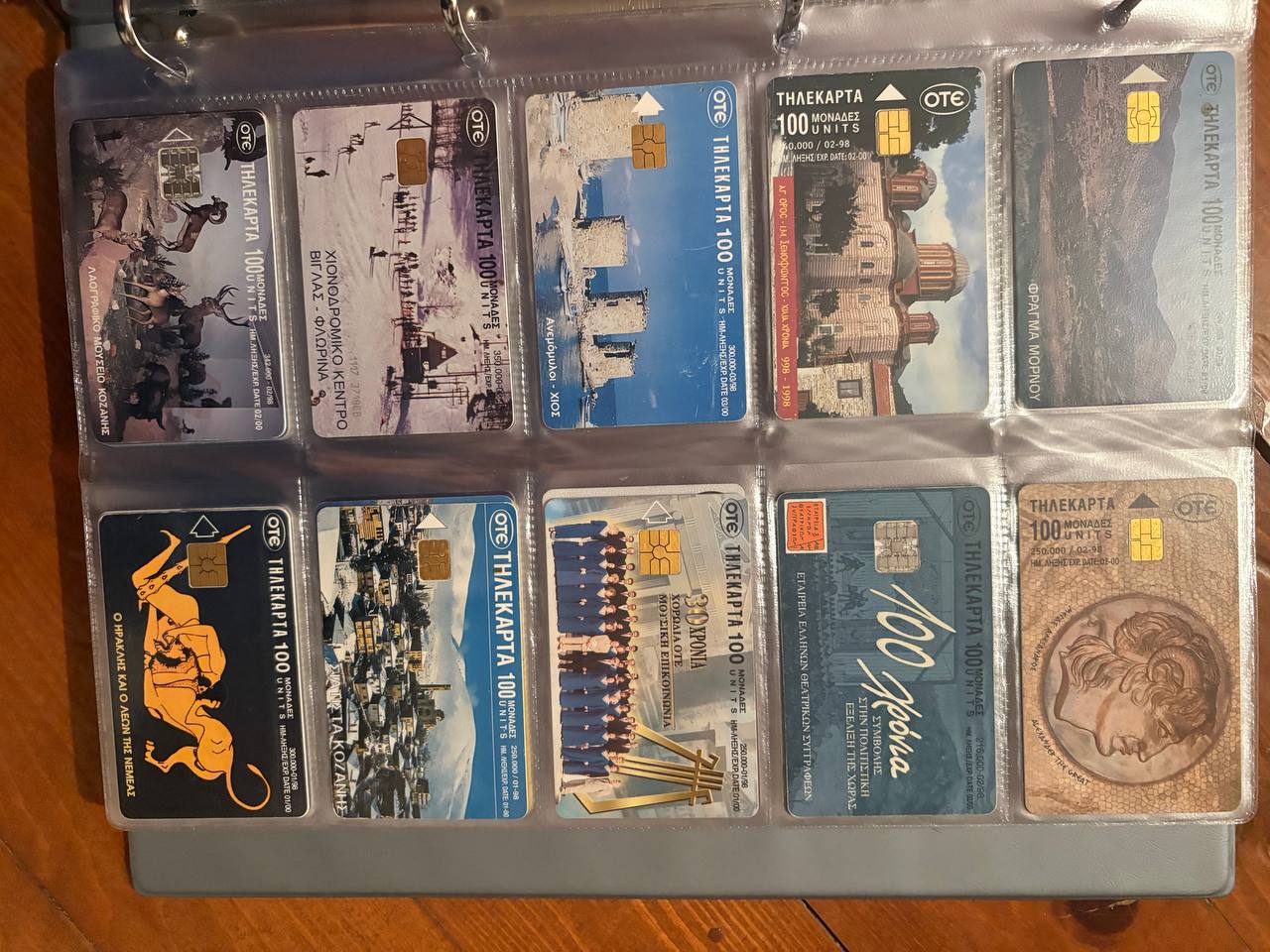
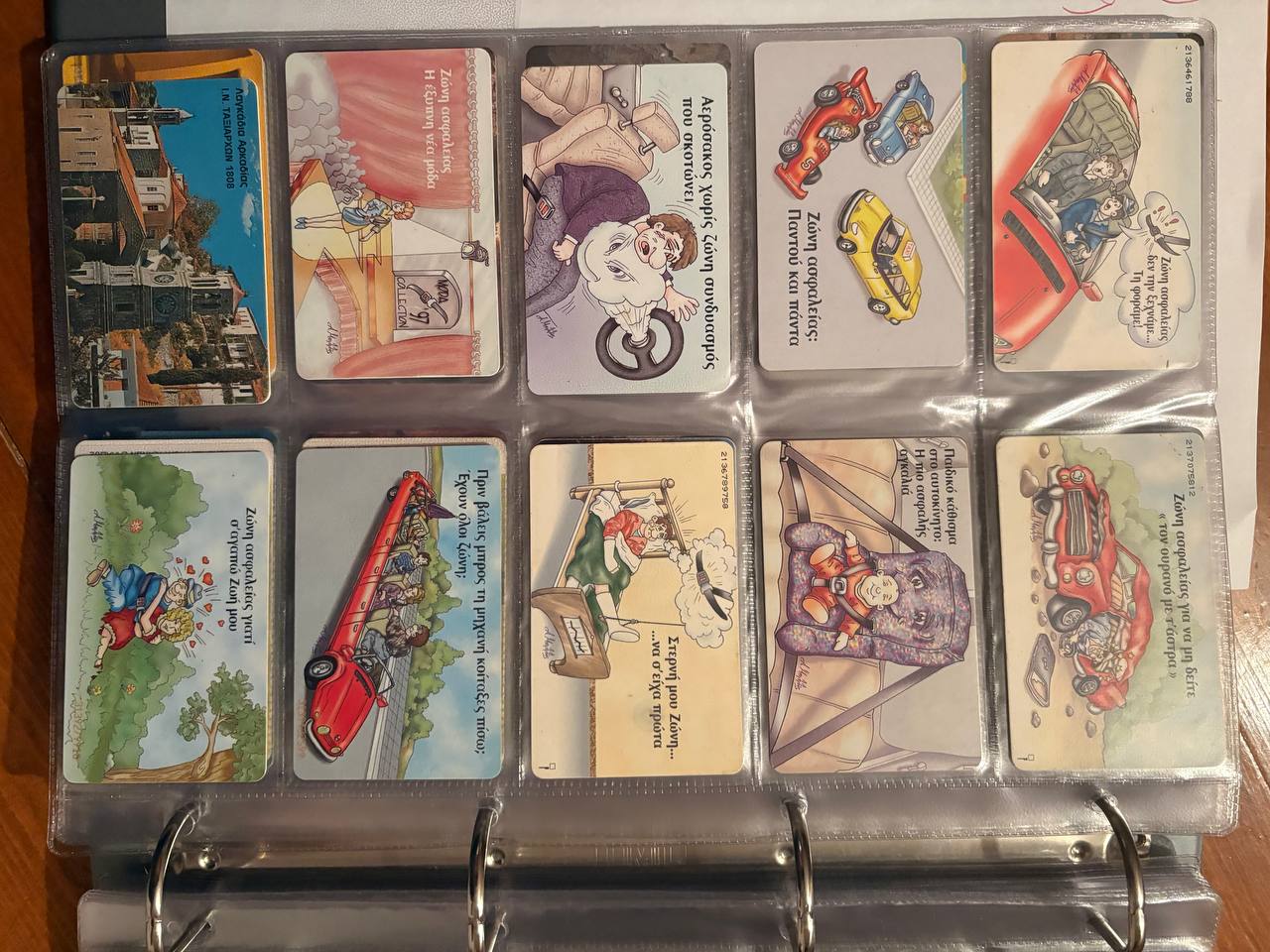
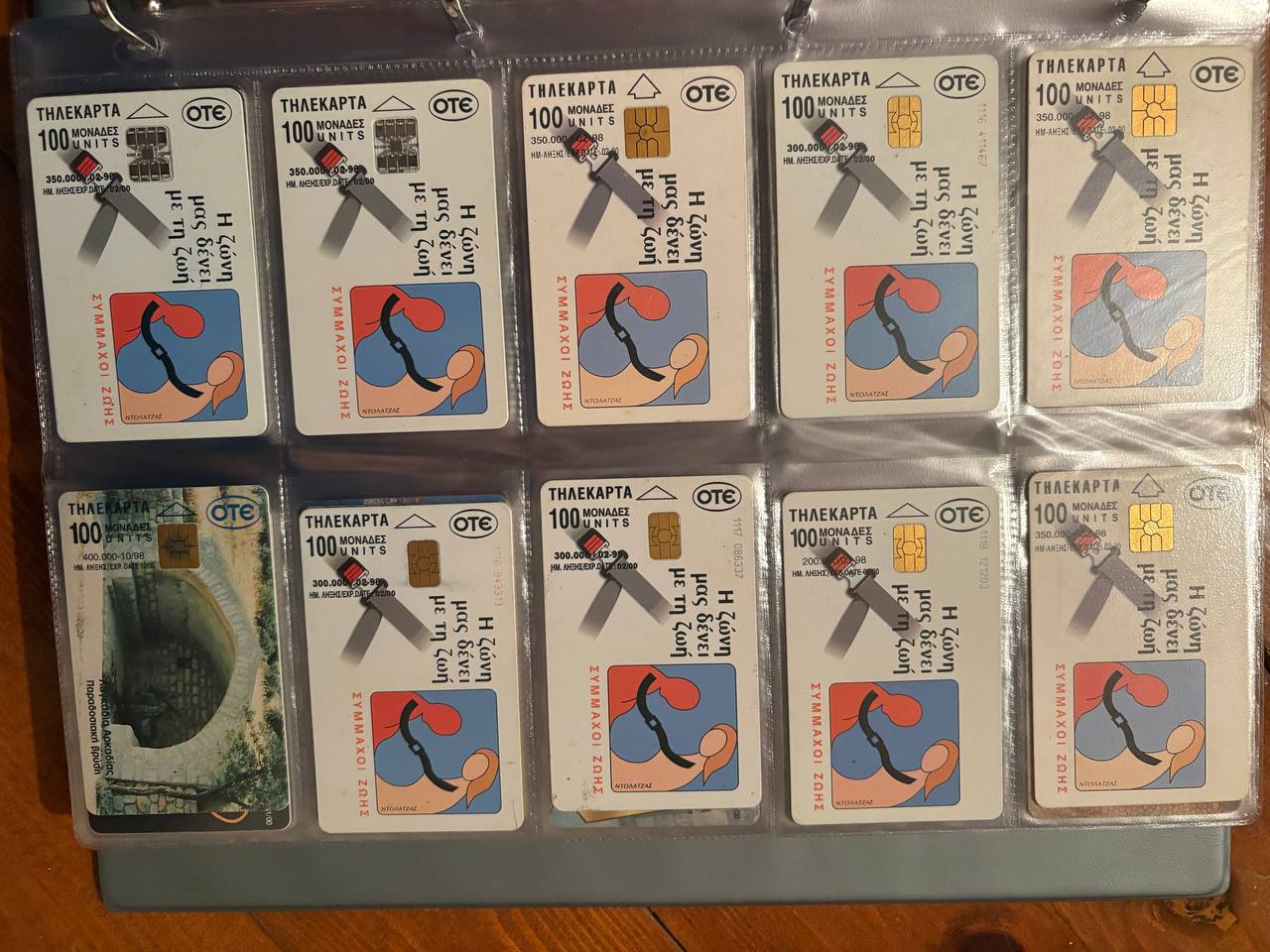
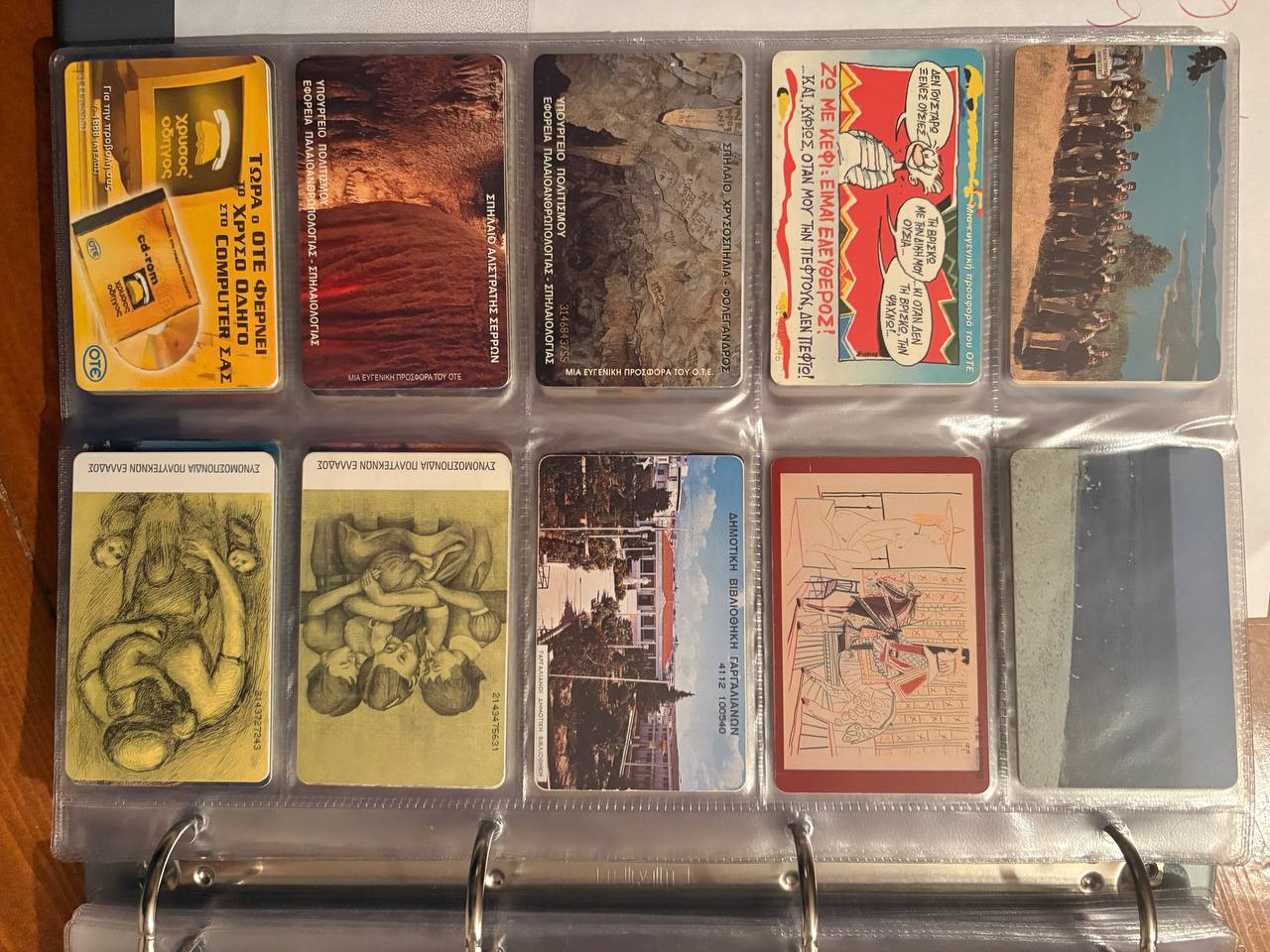
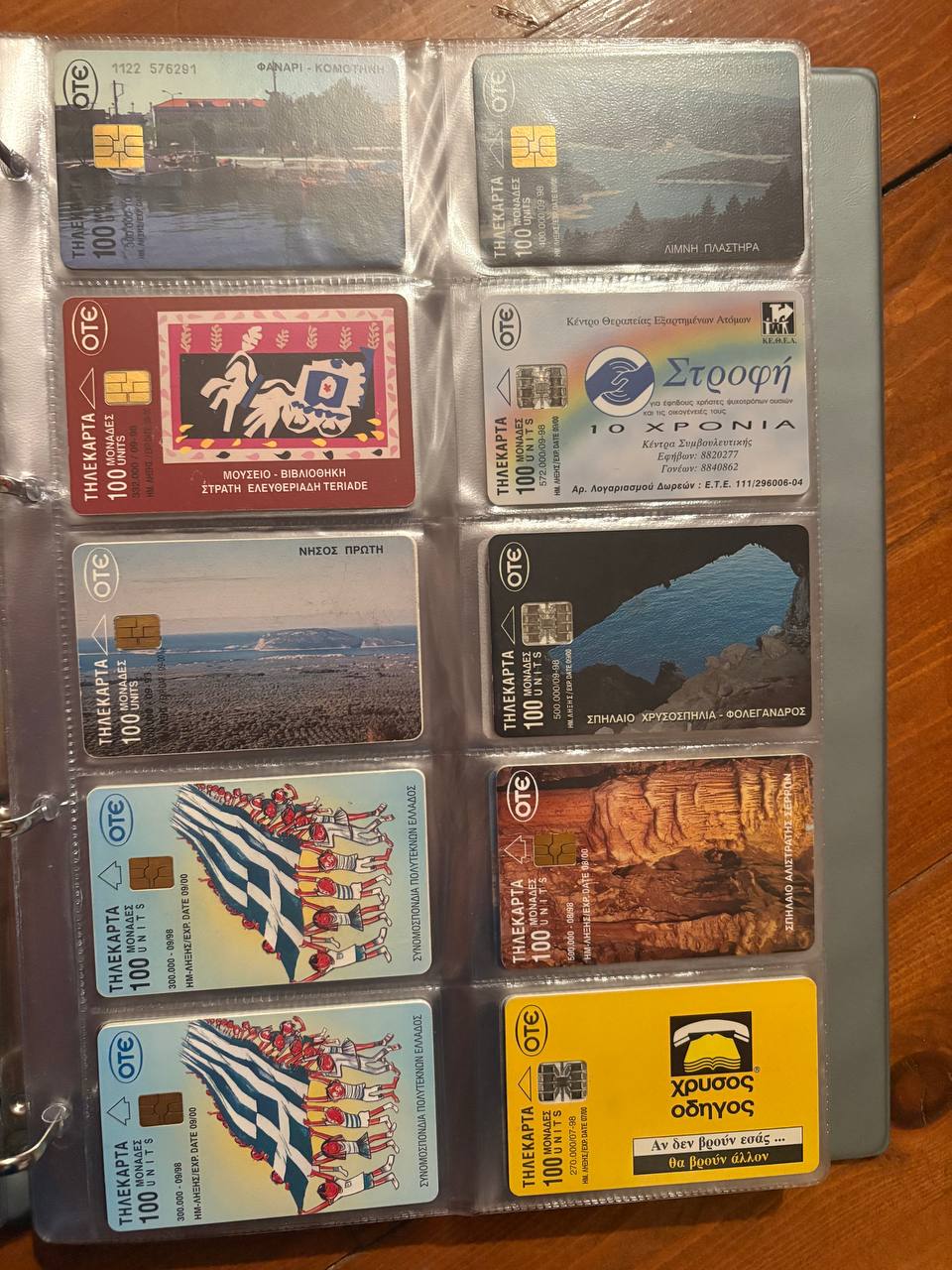
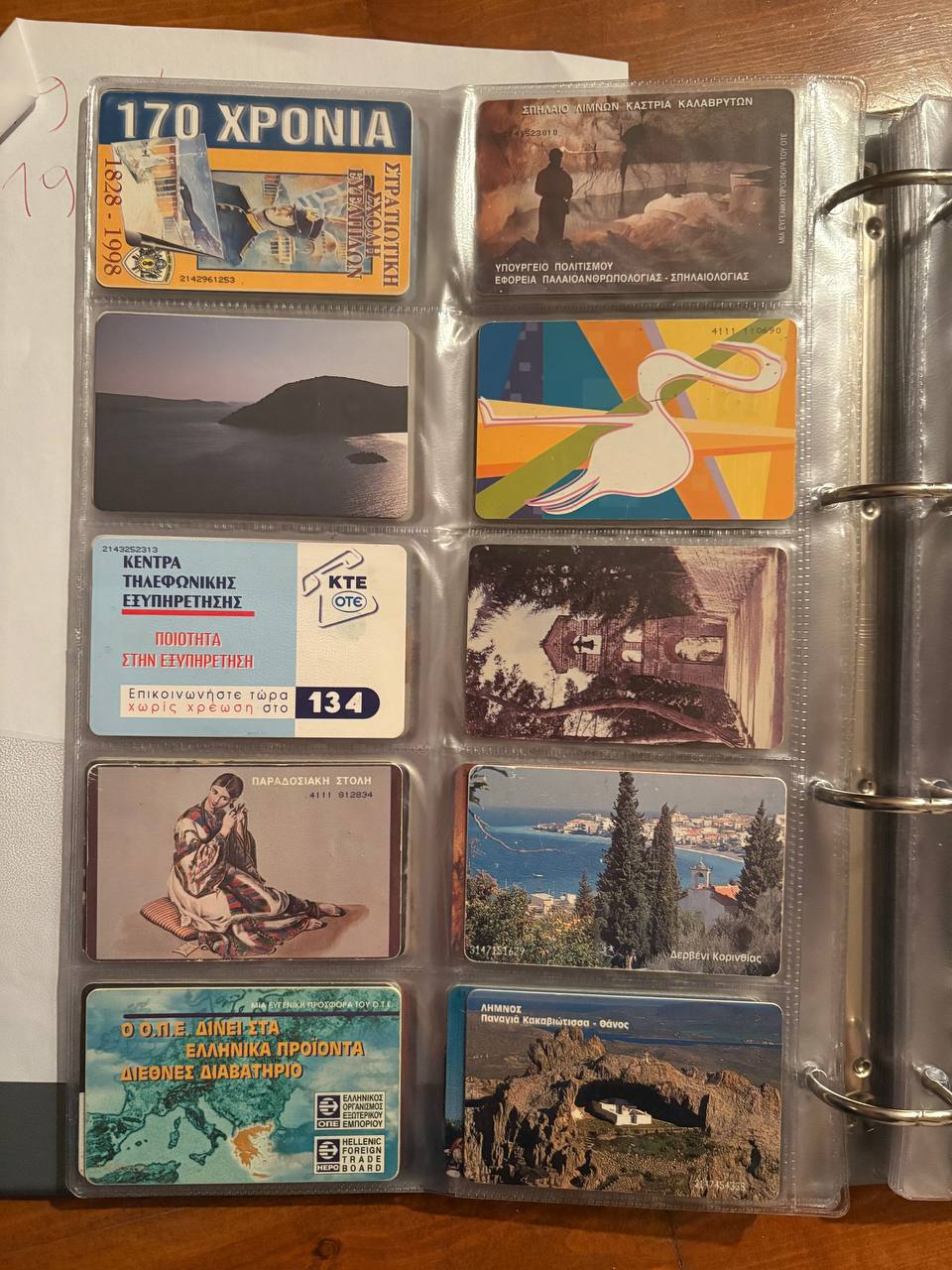
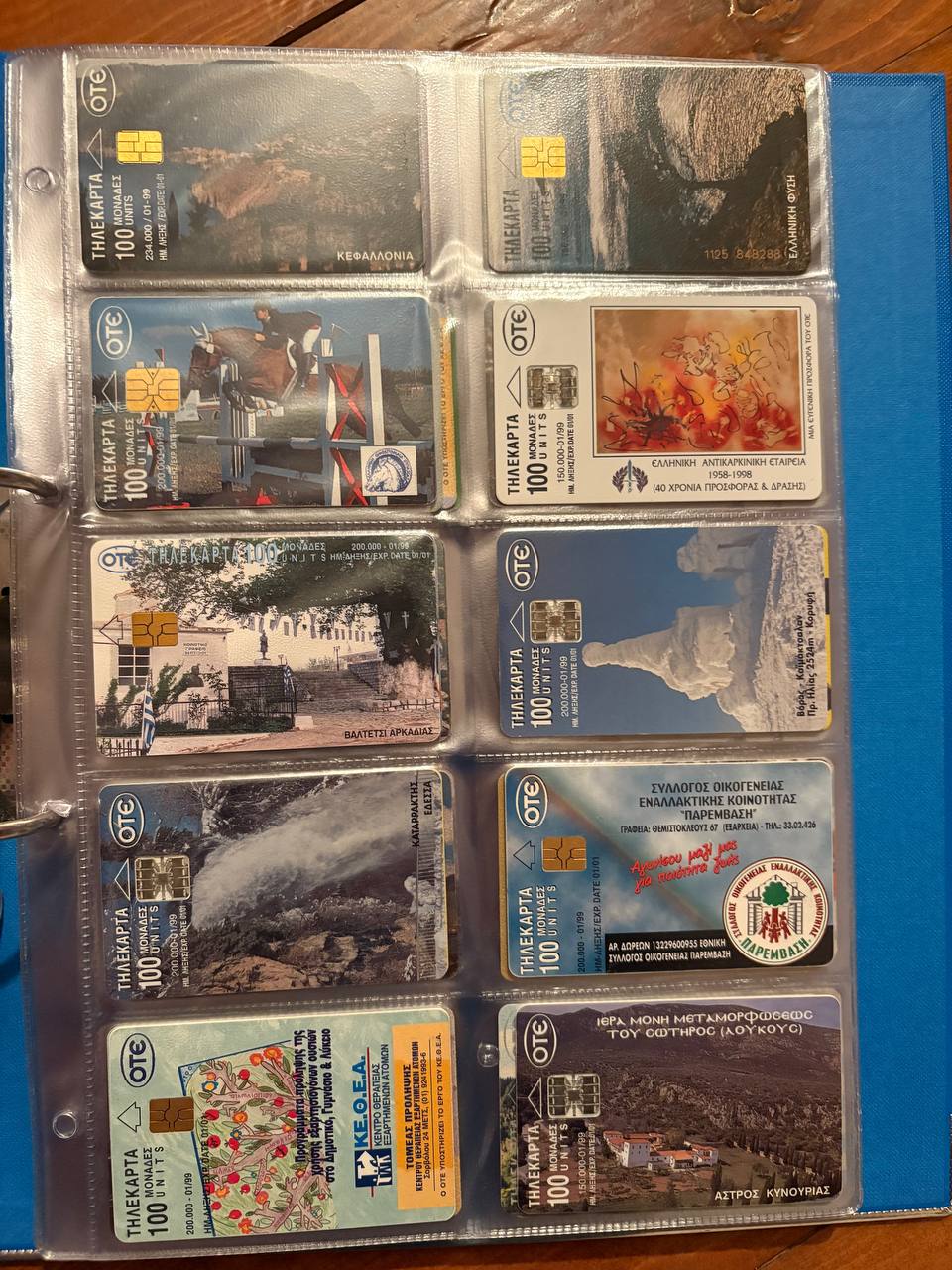
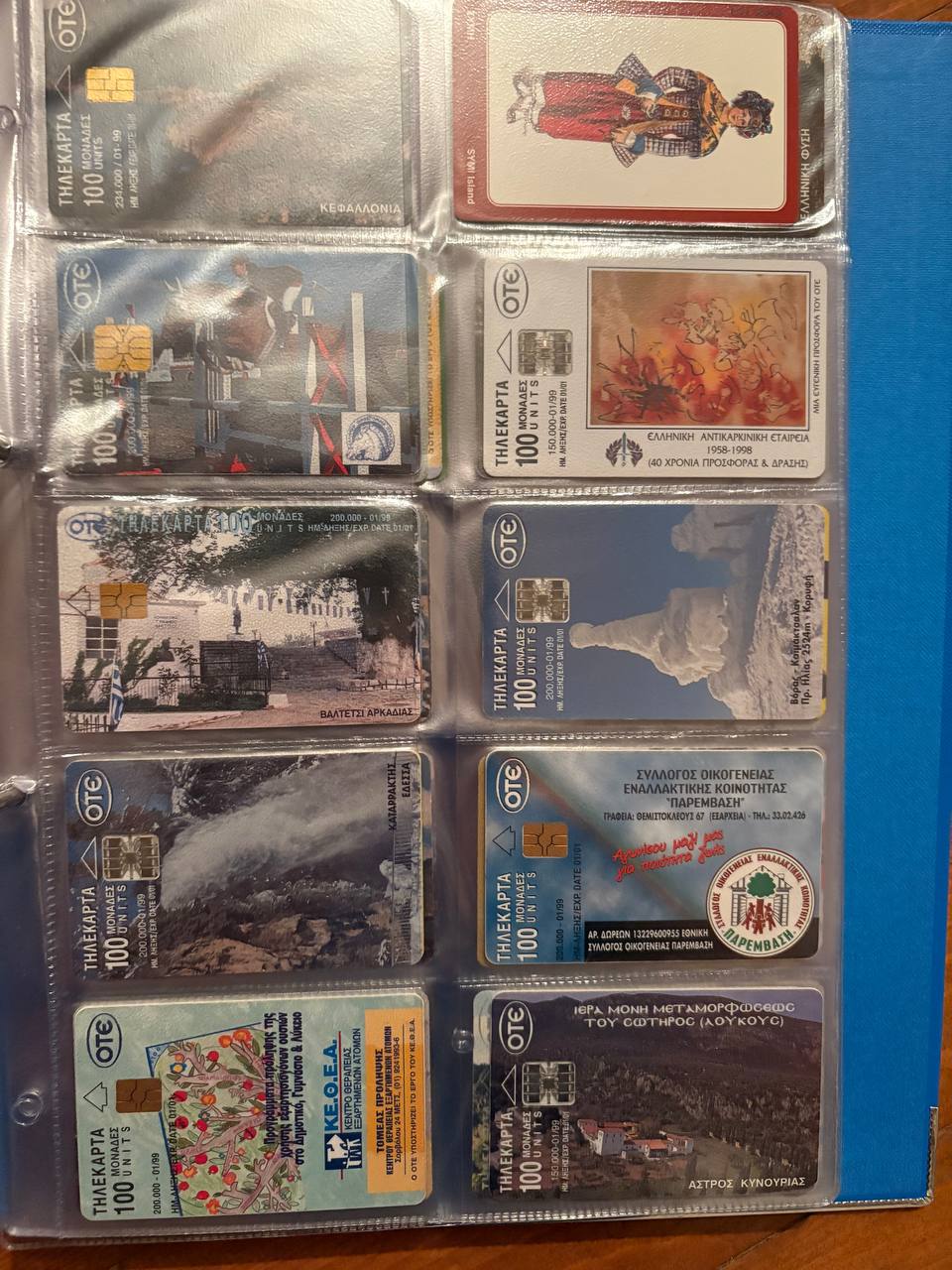
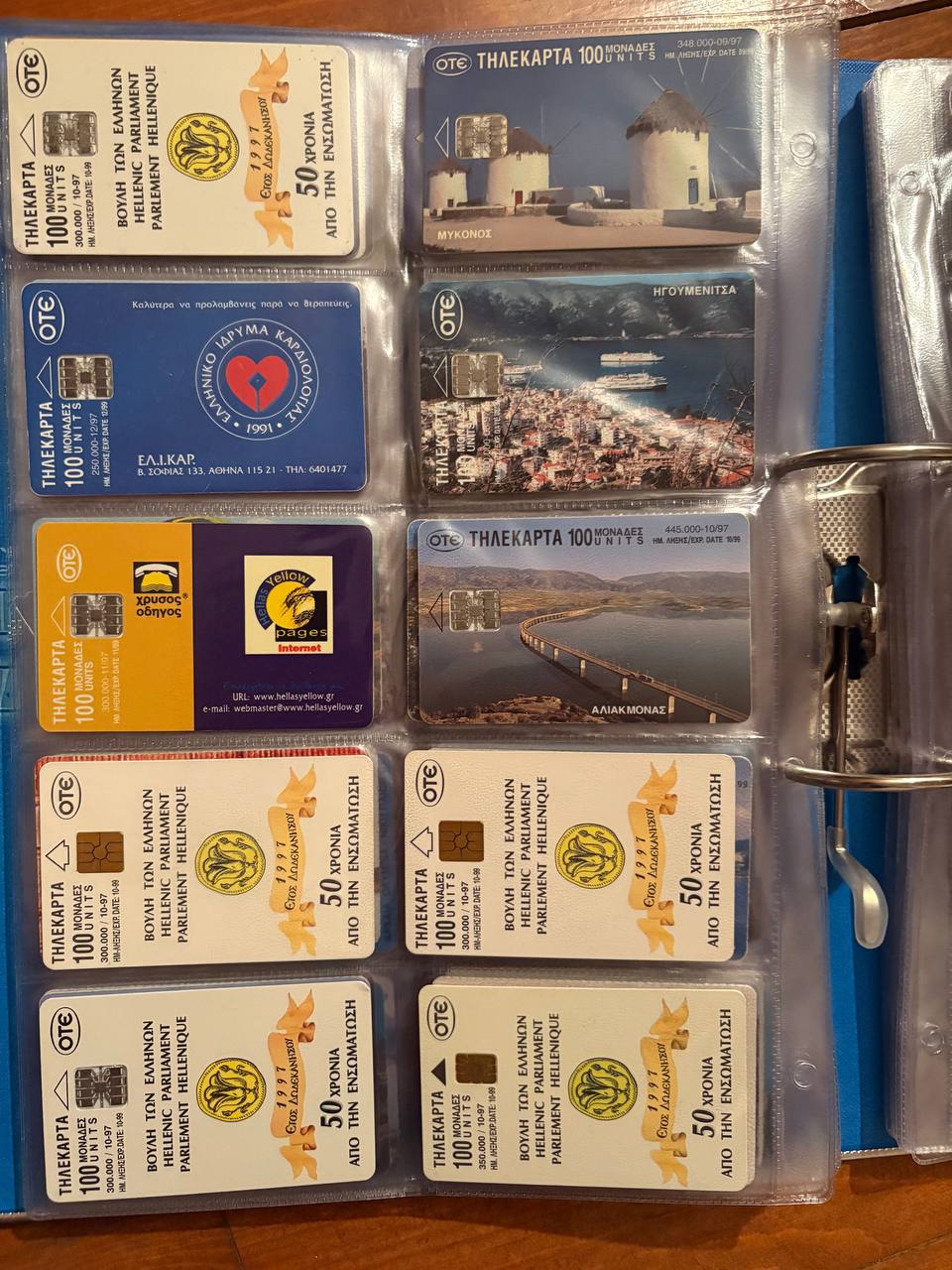
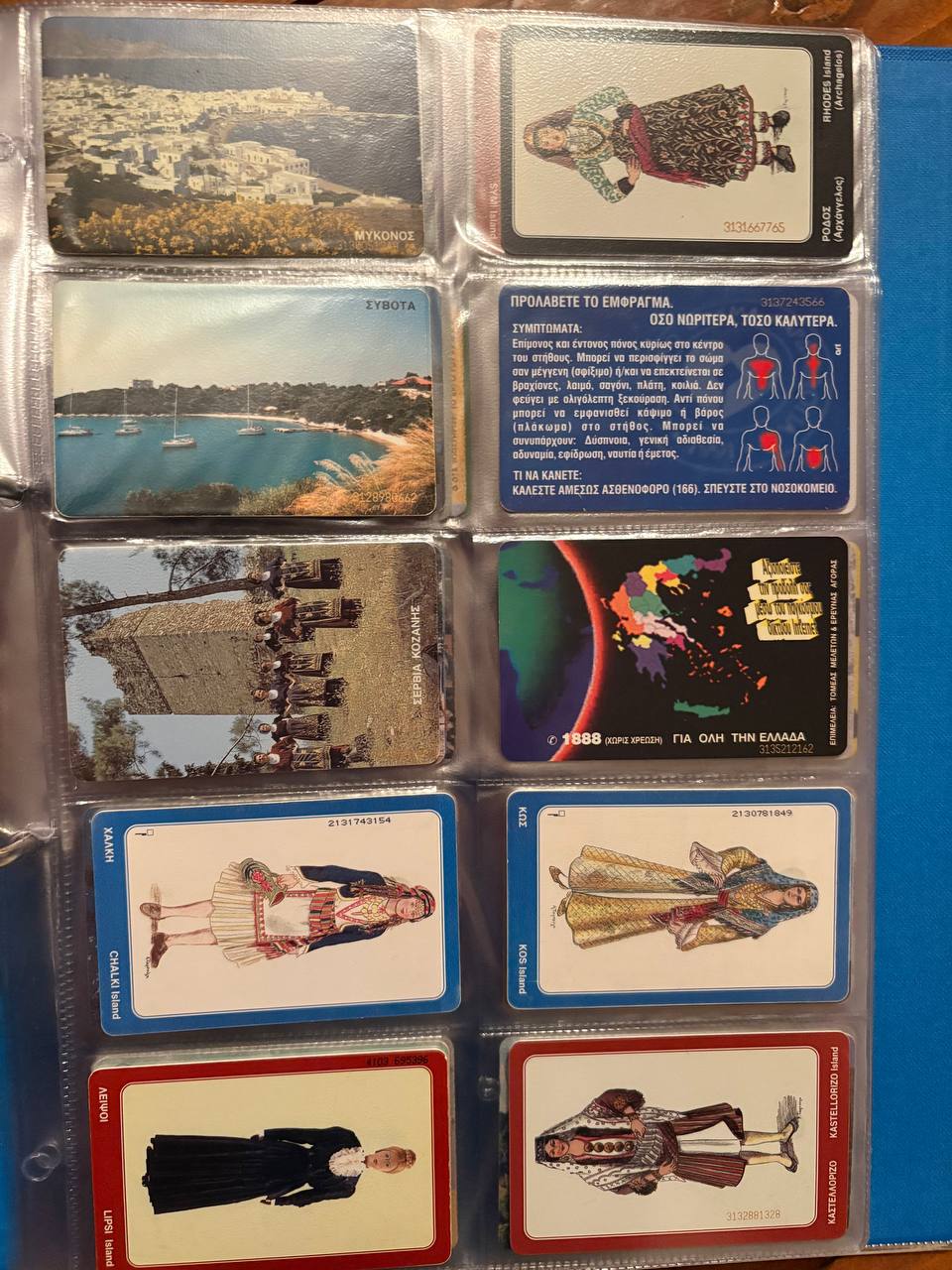
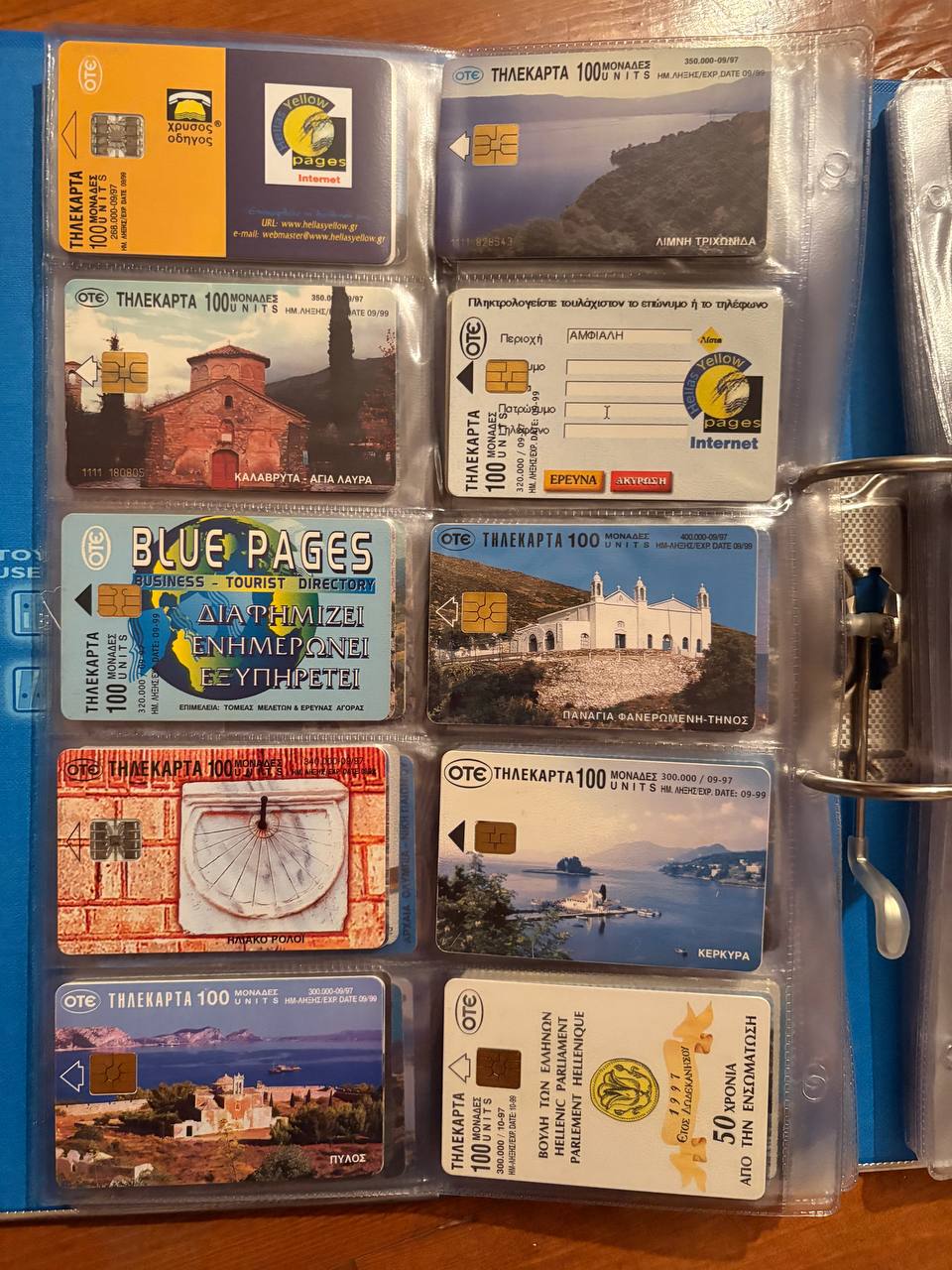
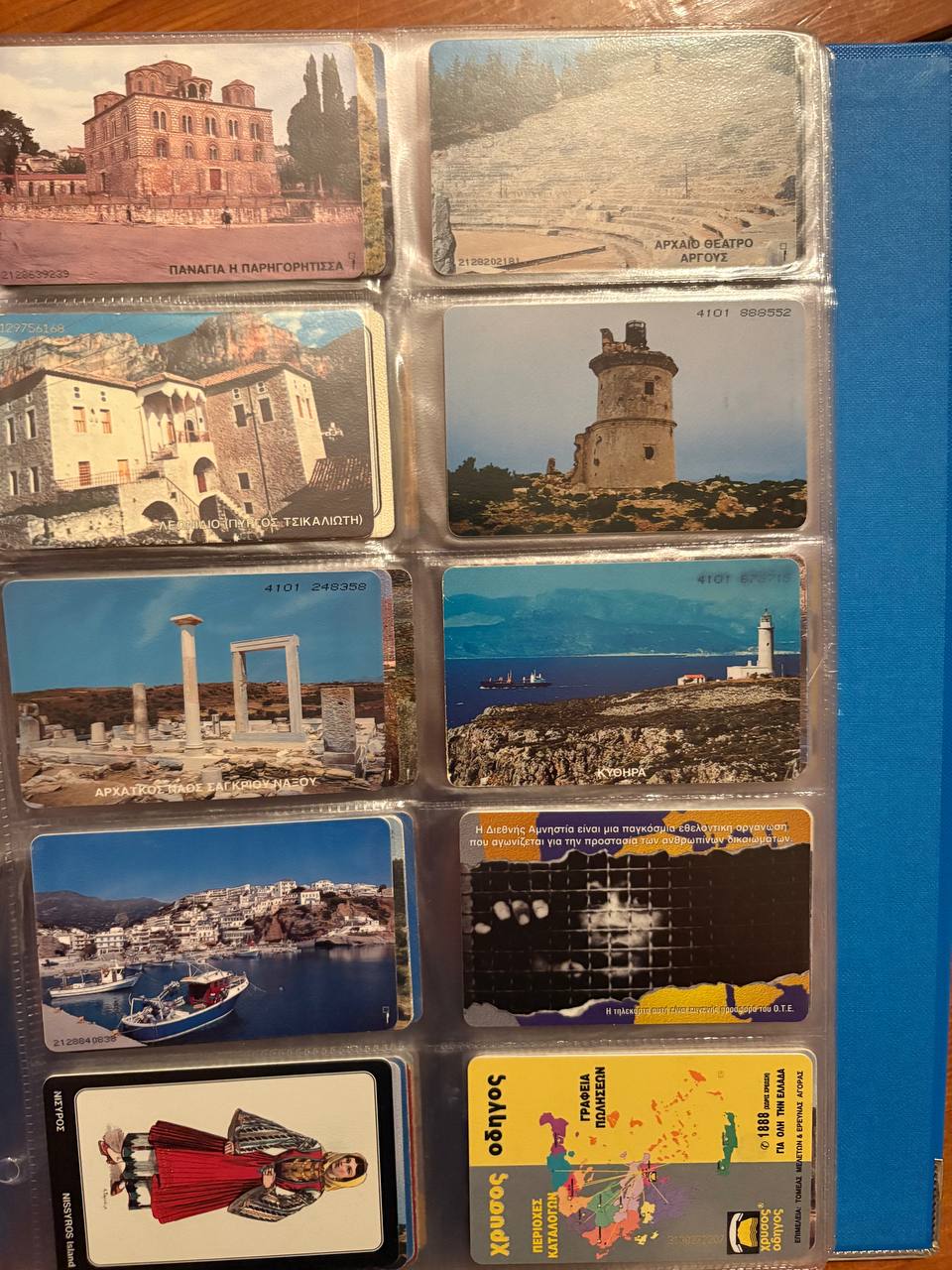
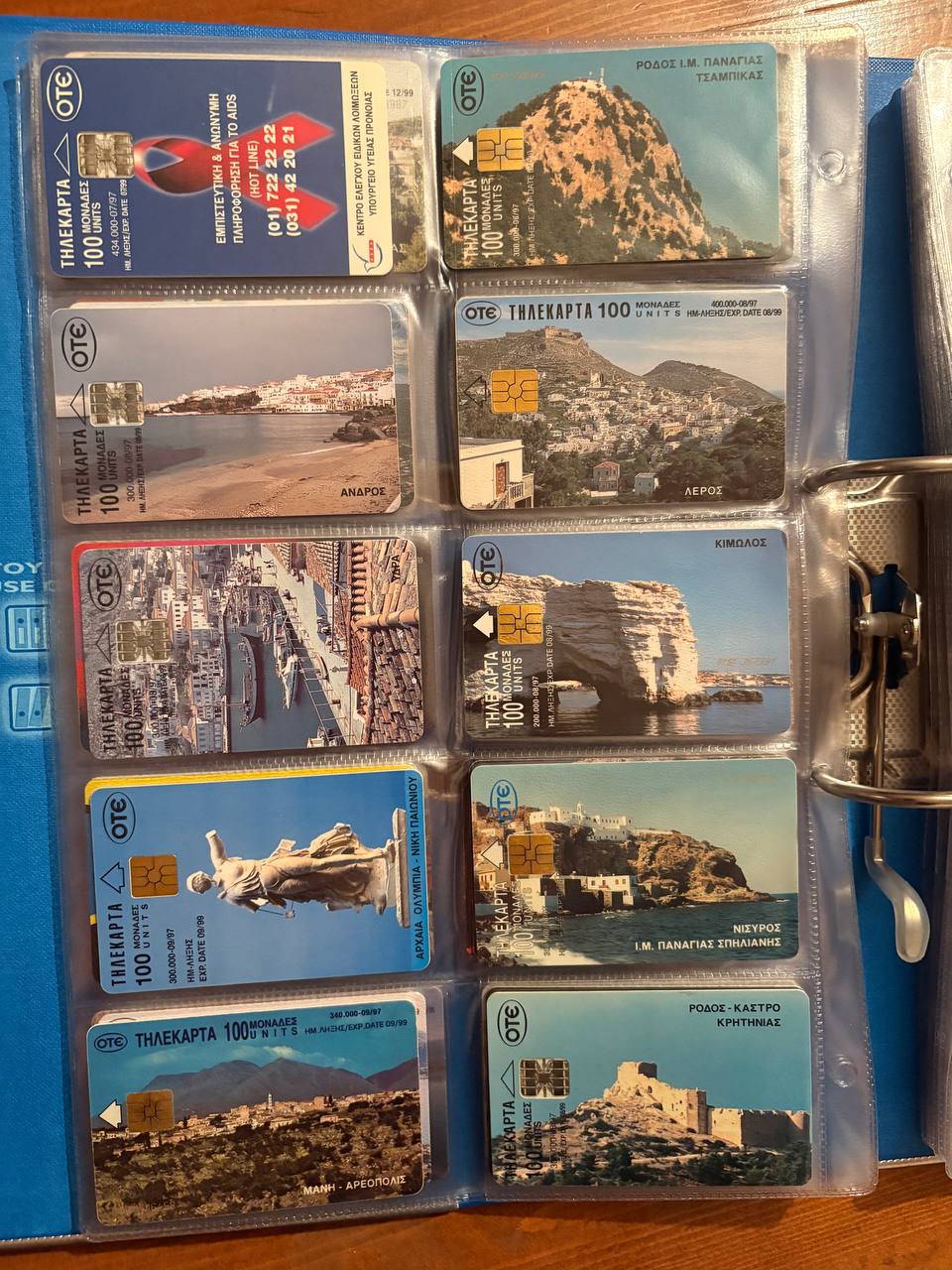
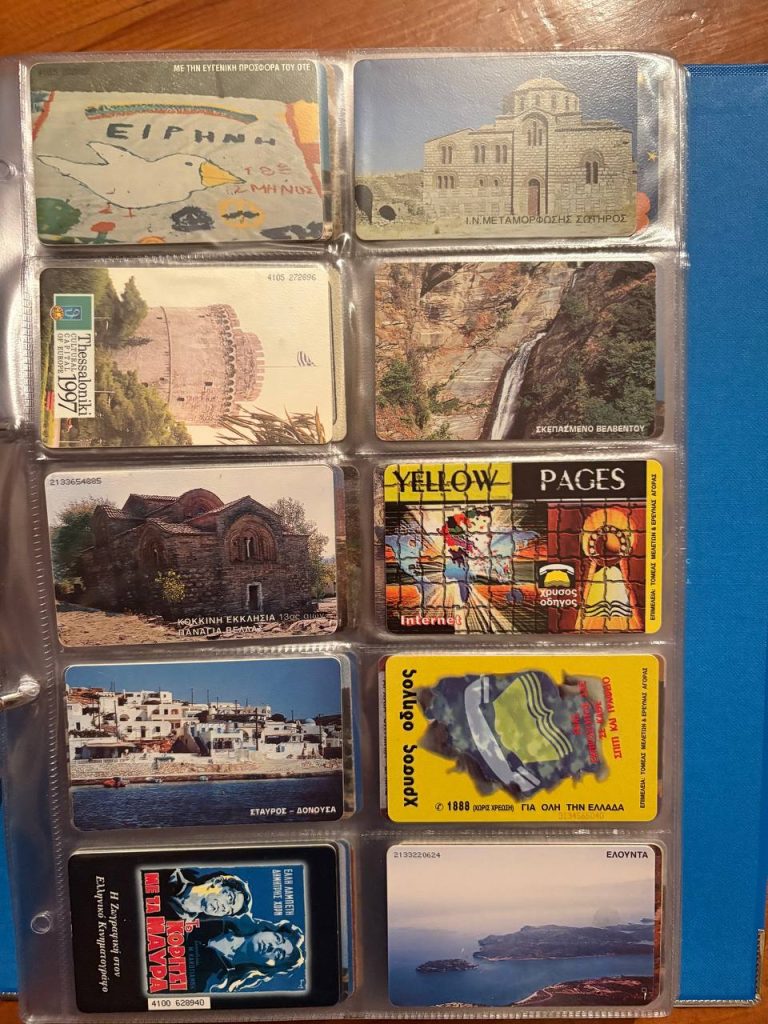
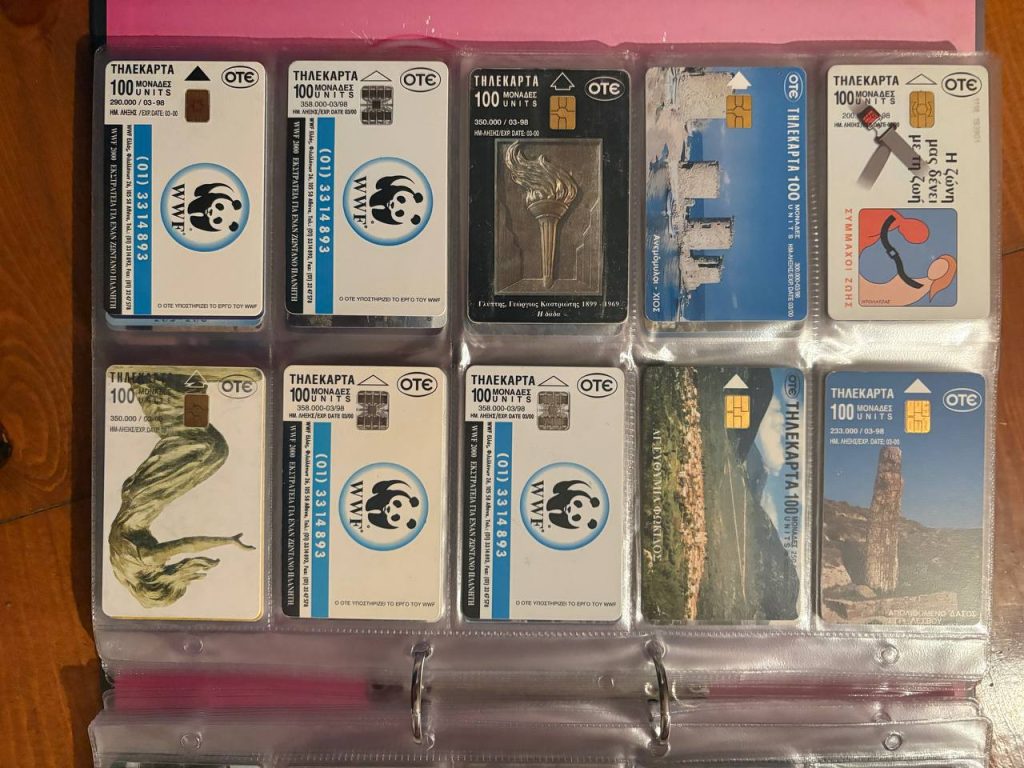
The first public phonecards appeared in Europe in the early 1980s, with Greece joining the movement through OTE (Hellenic Telecommunications Organization). These early cards featured simple logos and designs, but soon evolved into miniature works of art, often produced in collaboration with artists and institutions.
Today, vintage Greek phonecards are considered collectibles of great cultural and nostalgic value, especially those marking significant milestones or limited promotional runs.
Design and Collecting Value
Every phonecard reflects its time — from classic analog chip designs to optical cards of the digital age. Materials, artwork, and themes vary widely, offering collectors endless possibilities for thematic or chronological collections.
Collectors value phonecards for their rarity, condition, and design aesthetics, as well as their connection to specific moments in modern Greek history.