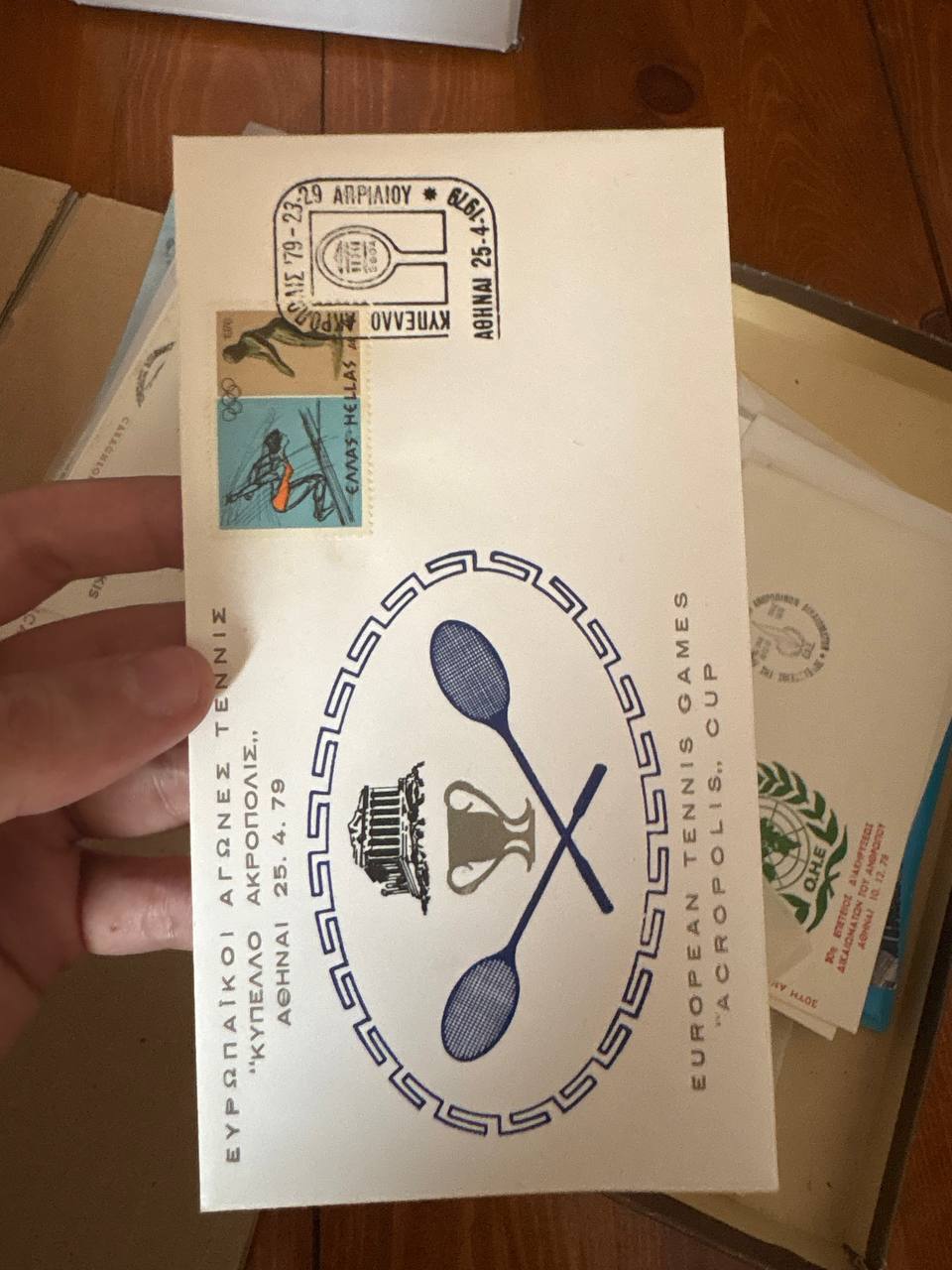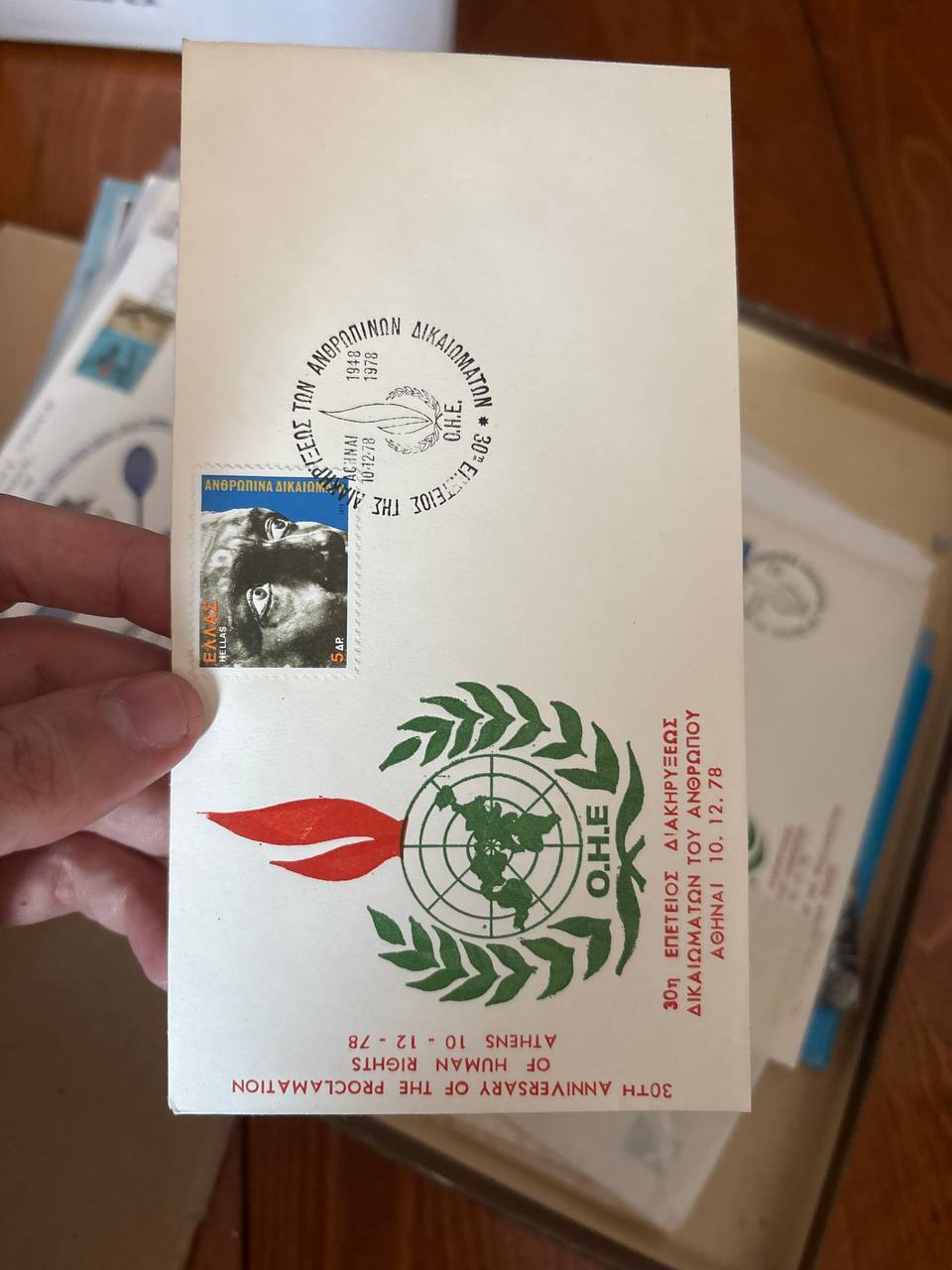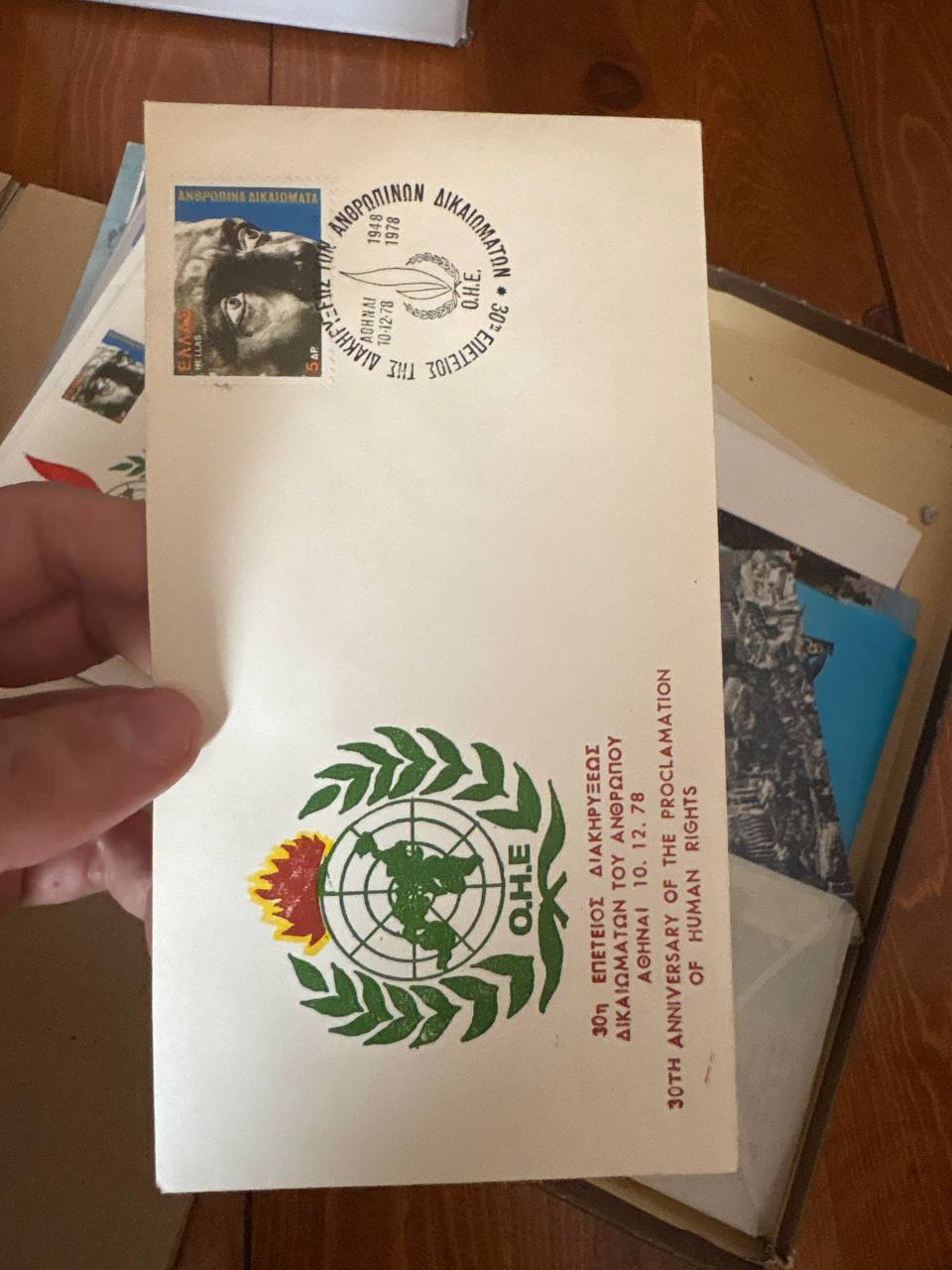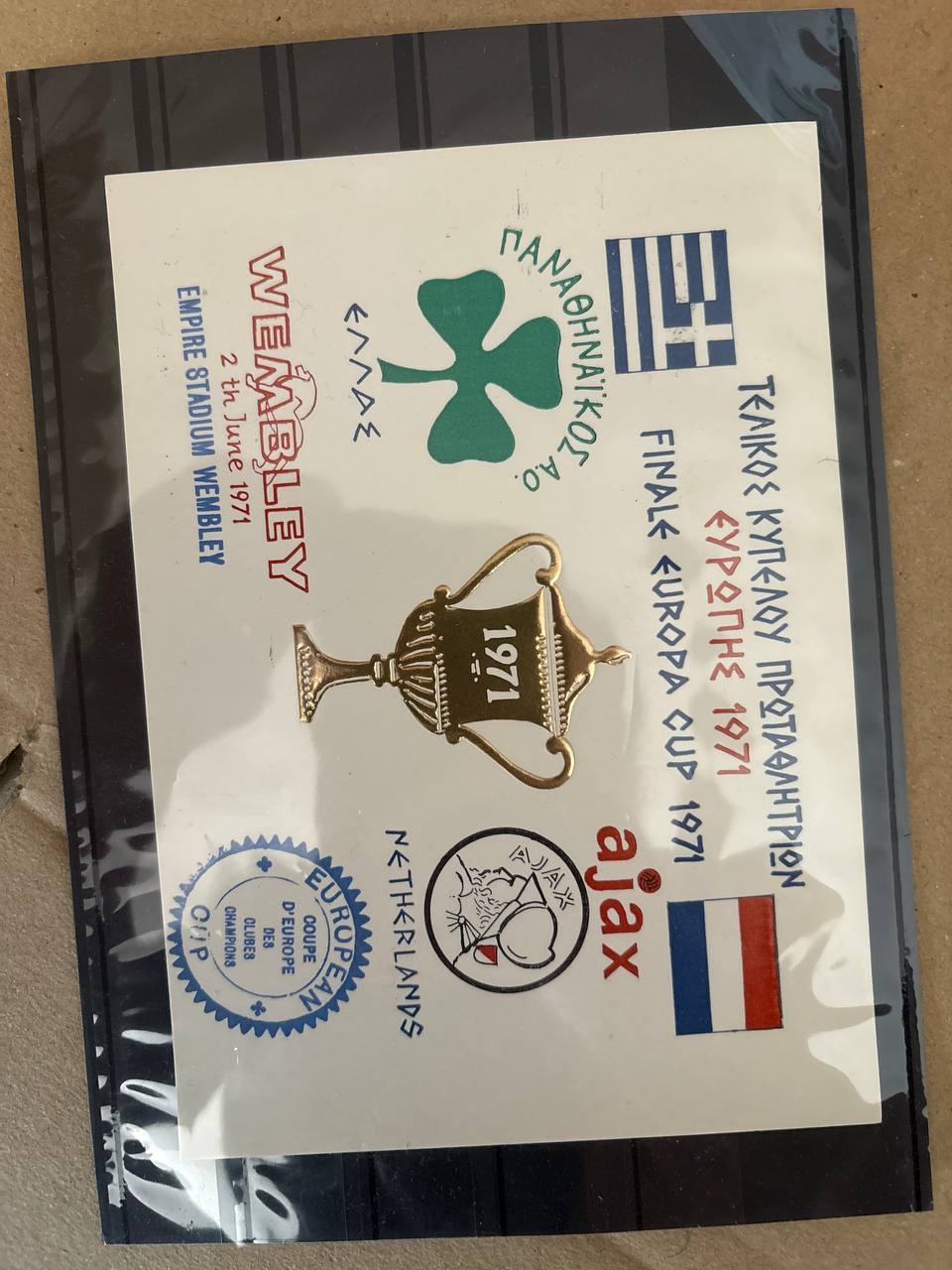
Postcards (Card Postals)
A postcard, also known as a card postal, is one of the most personal and artistic forms of communication ever created. Combining image and message on a single piece of card, it bridges distances with emotion, creativity, and history. For collectors, postcards represent miniature windows into the past — capturing the places, people, and moments that defined an era.
Whether depicting historic landmarks, artistic illustrations, or everyday life, postcards are a cherished part of both philately and cultural heritage, offering a tangible link between sender and recipient across time and geography.
Historical Background
The story of the postcard begins in the mid-19th century, when the idea of sending short, open messages through the post first appeared. The world’s first official postcard was issued in Austria-Hungary in 1869, followed shortly by many other nations.
By the early 20th century — known as the “Golden Age of Postcards” — millions were exchanged every year. They became not only a means of communication but also an art form and collectible object, reflecting social customs, historical events, and aesthetic trends of the time.
Design and Themes
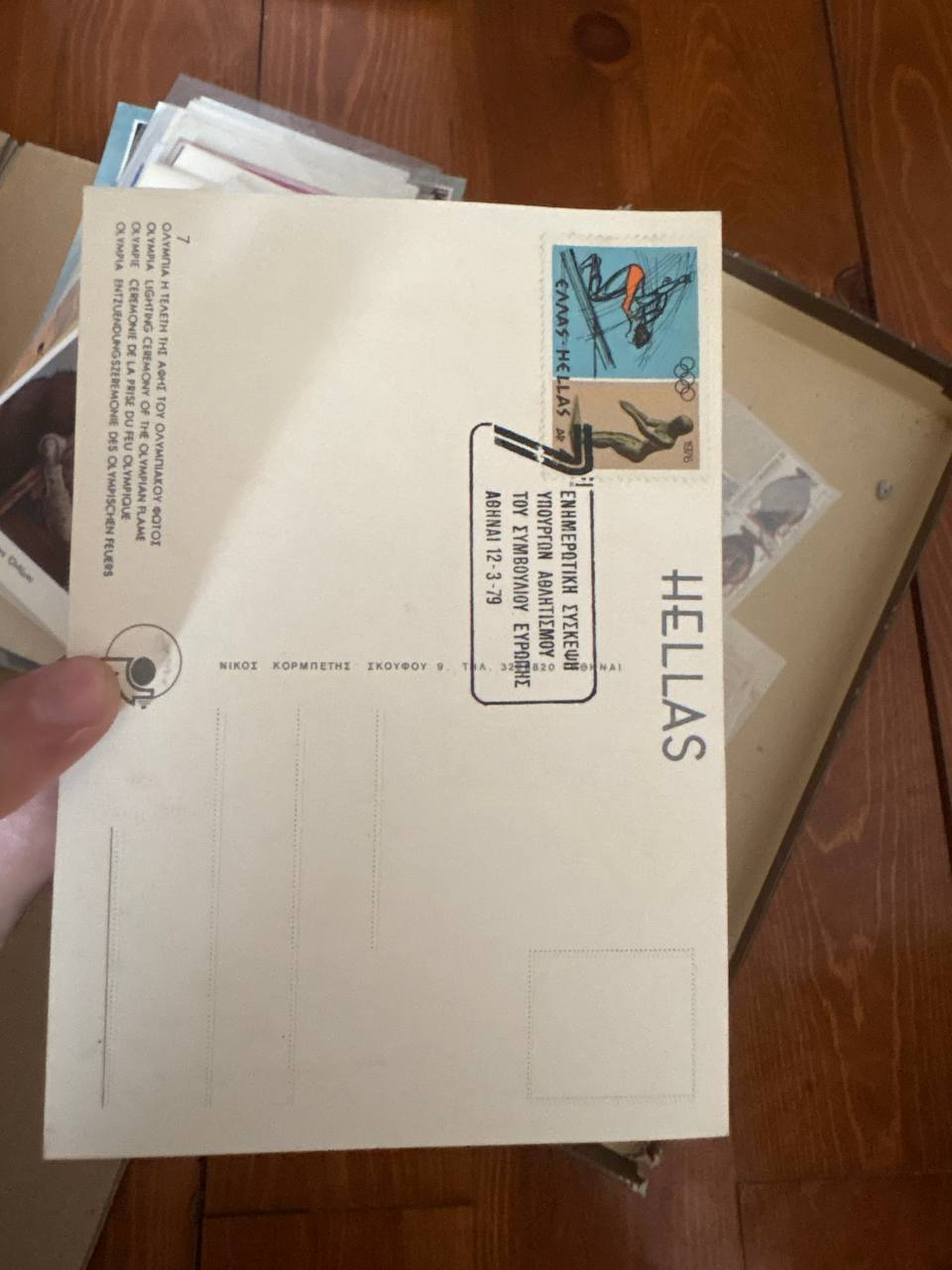
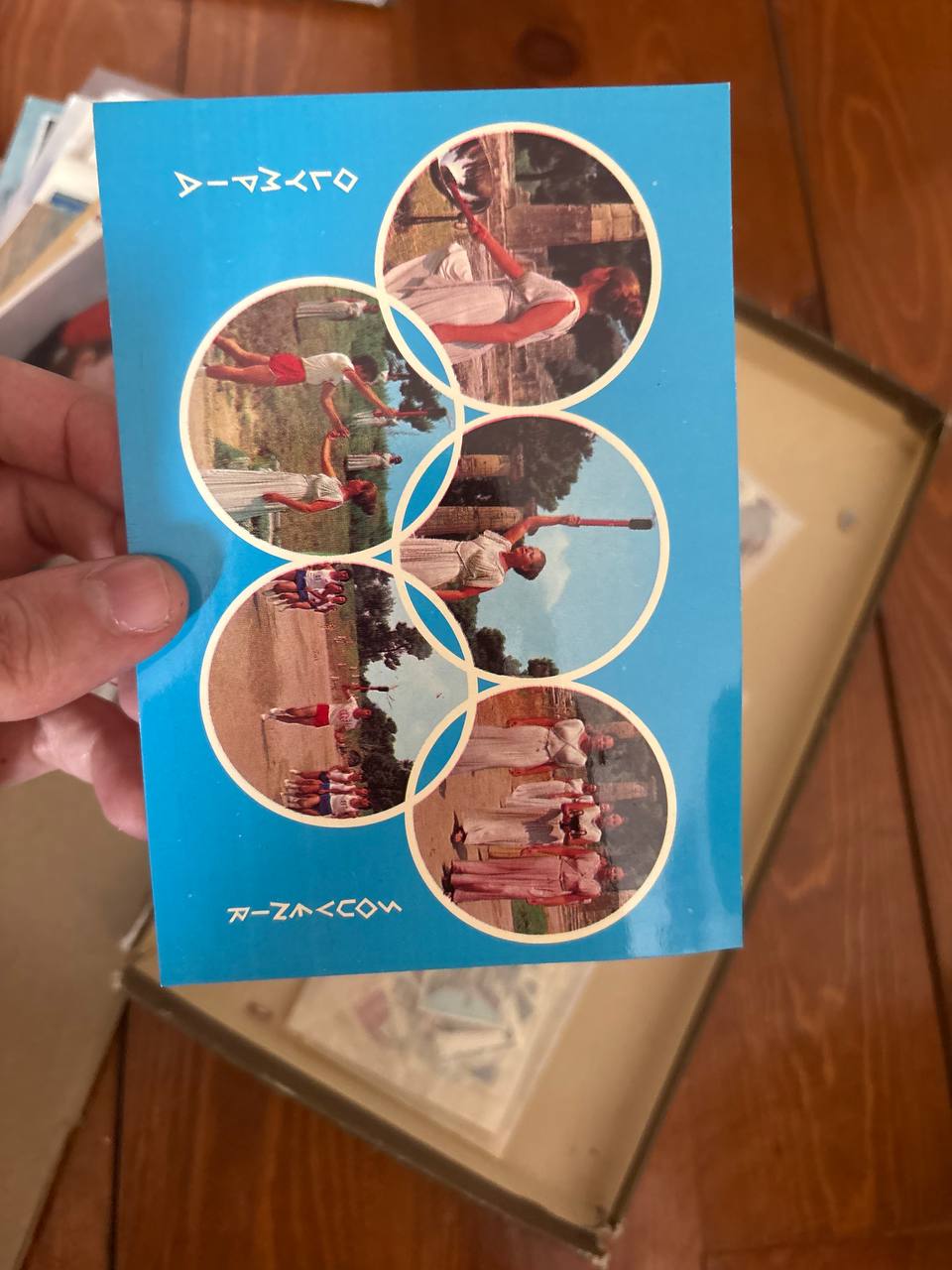
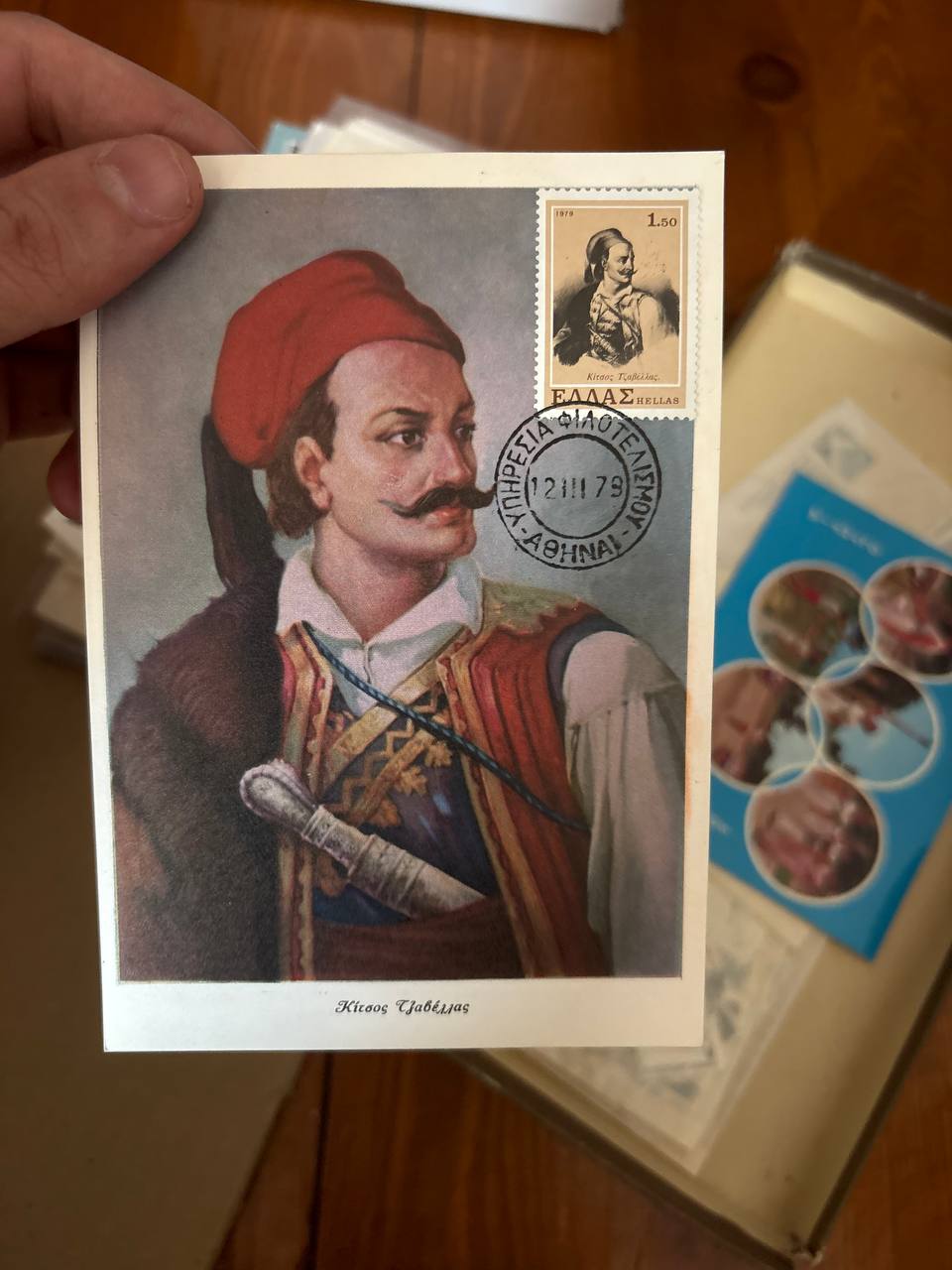
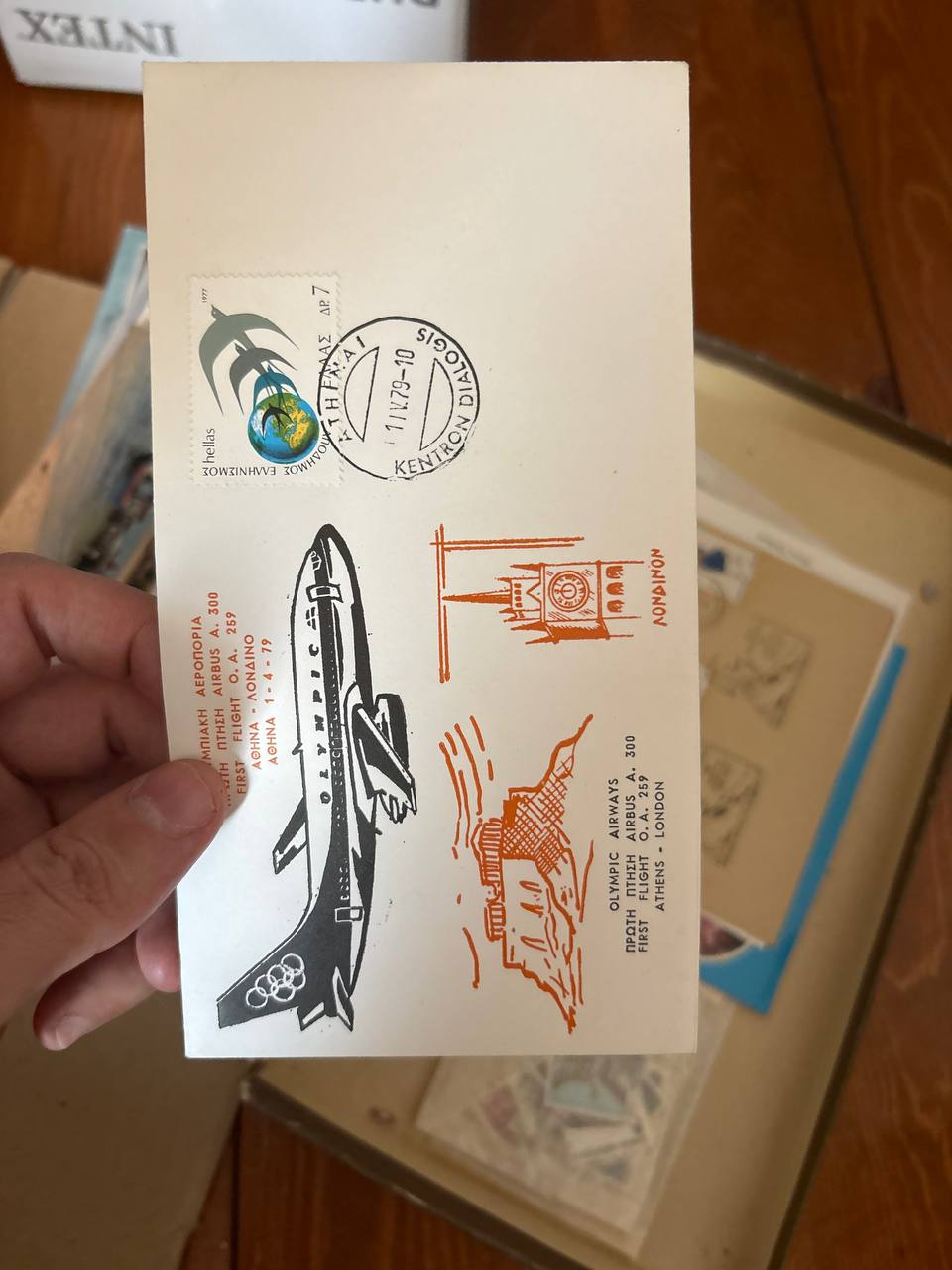
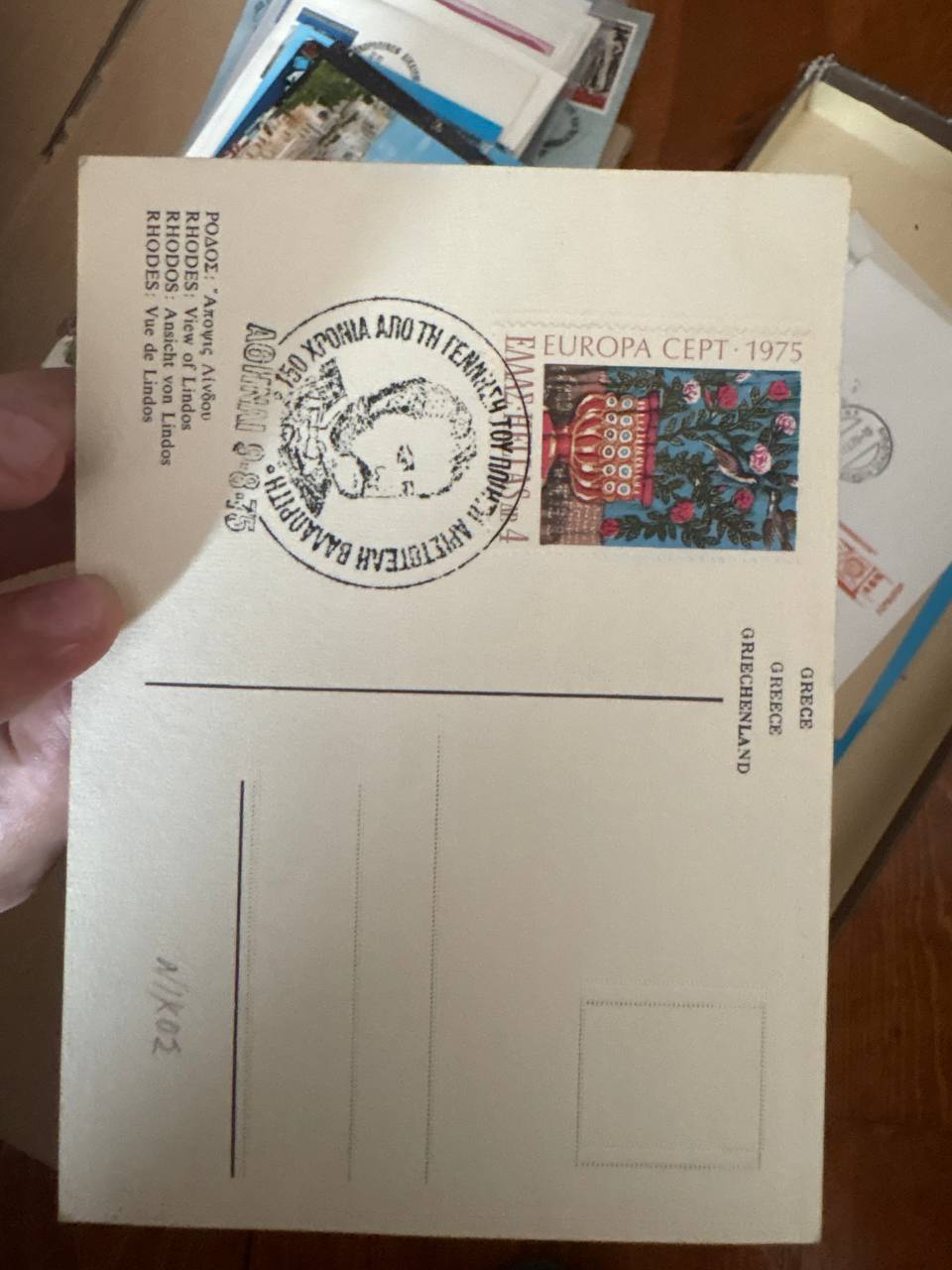
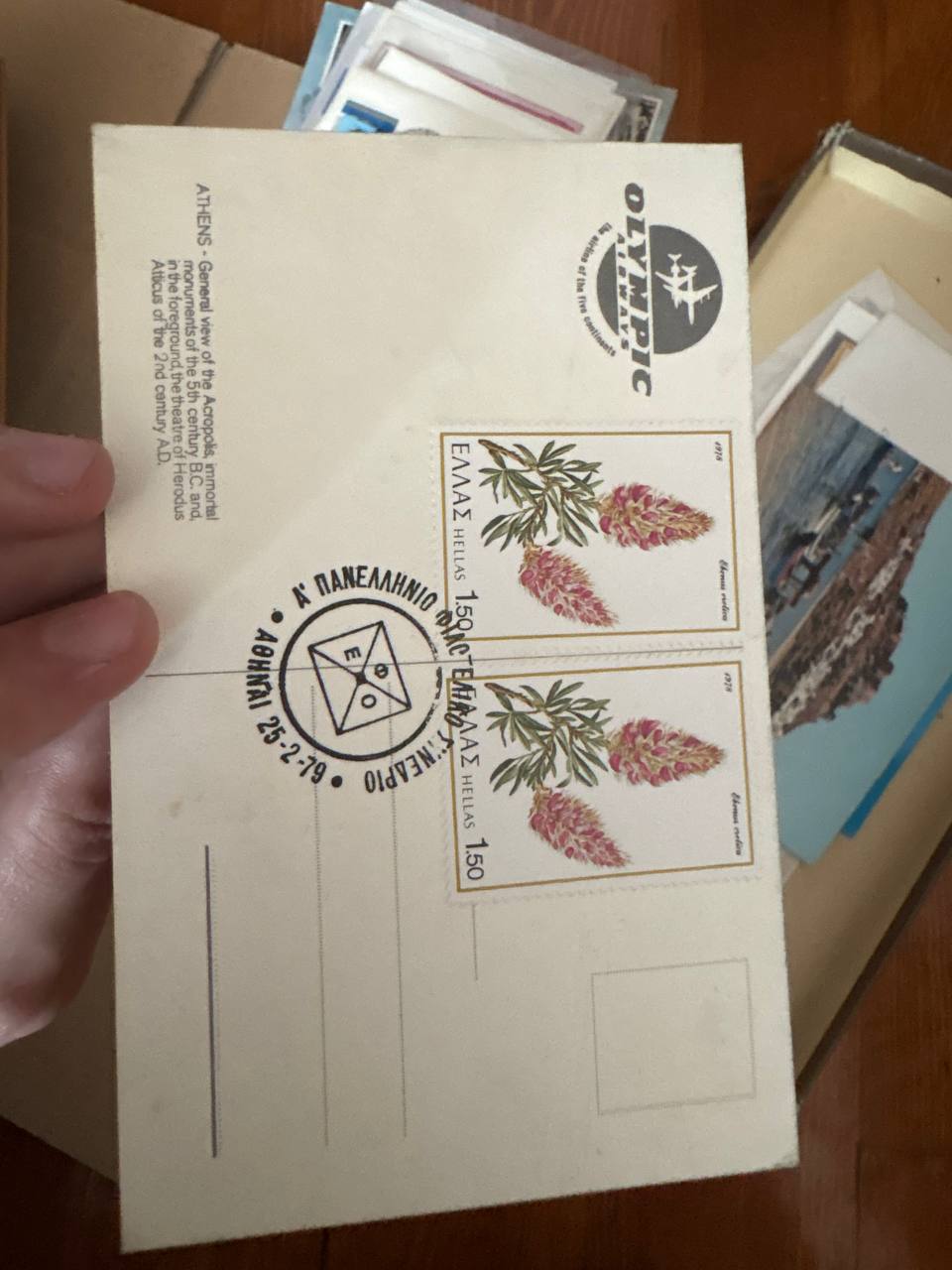
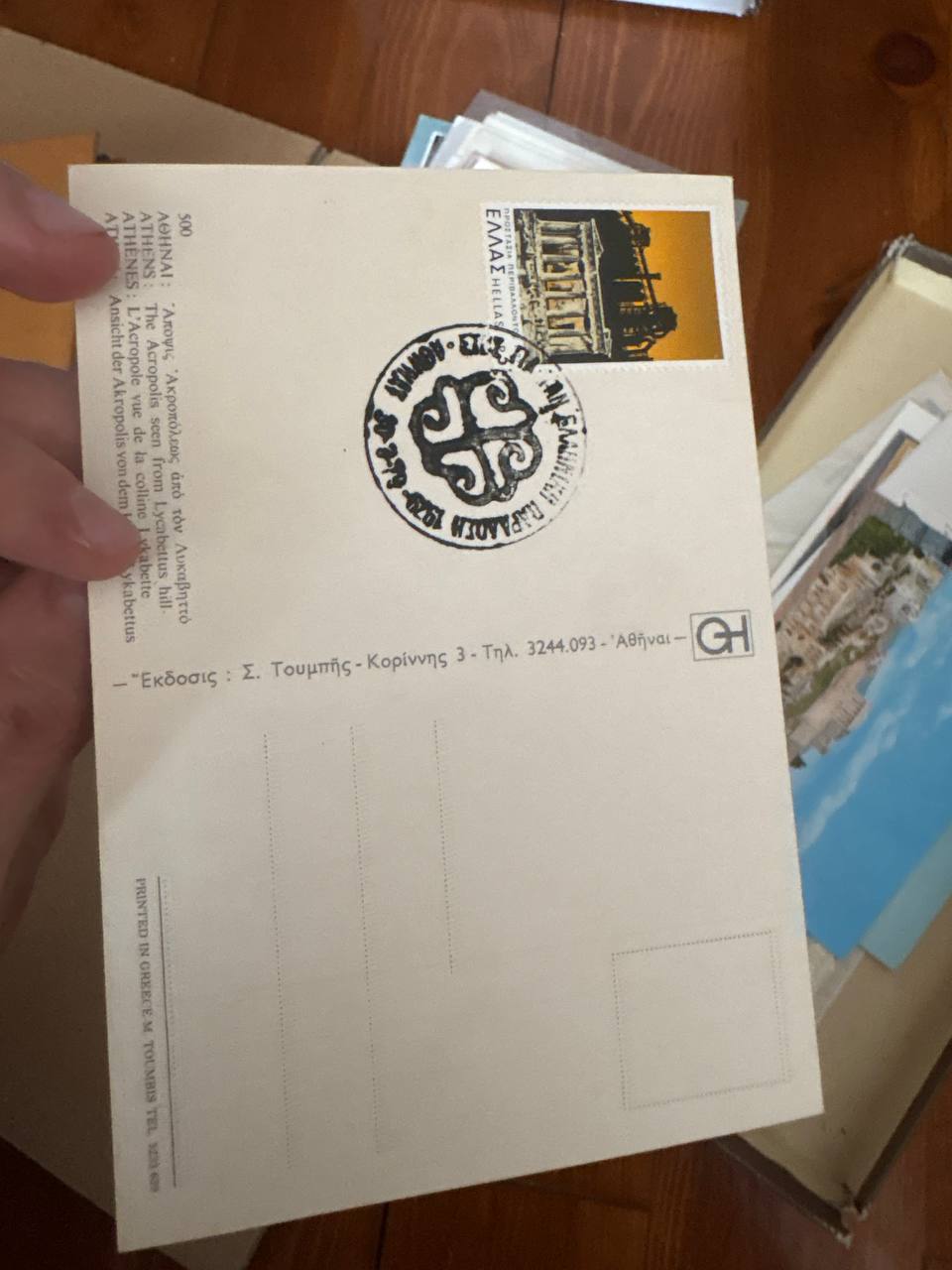
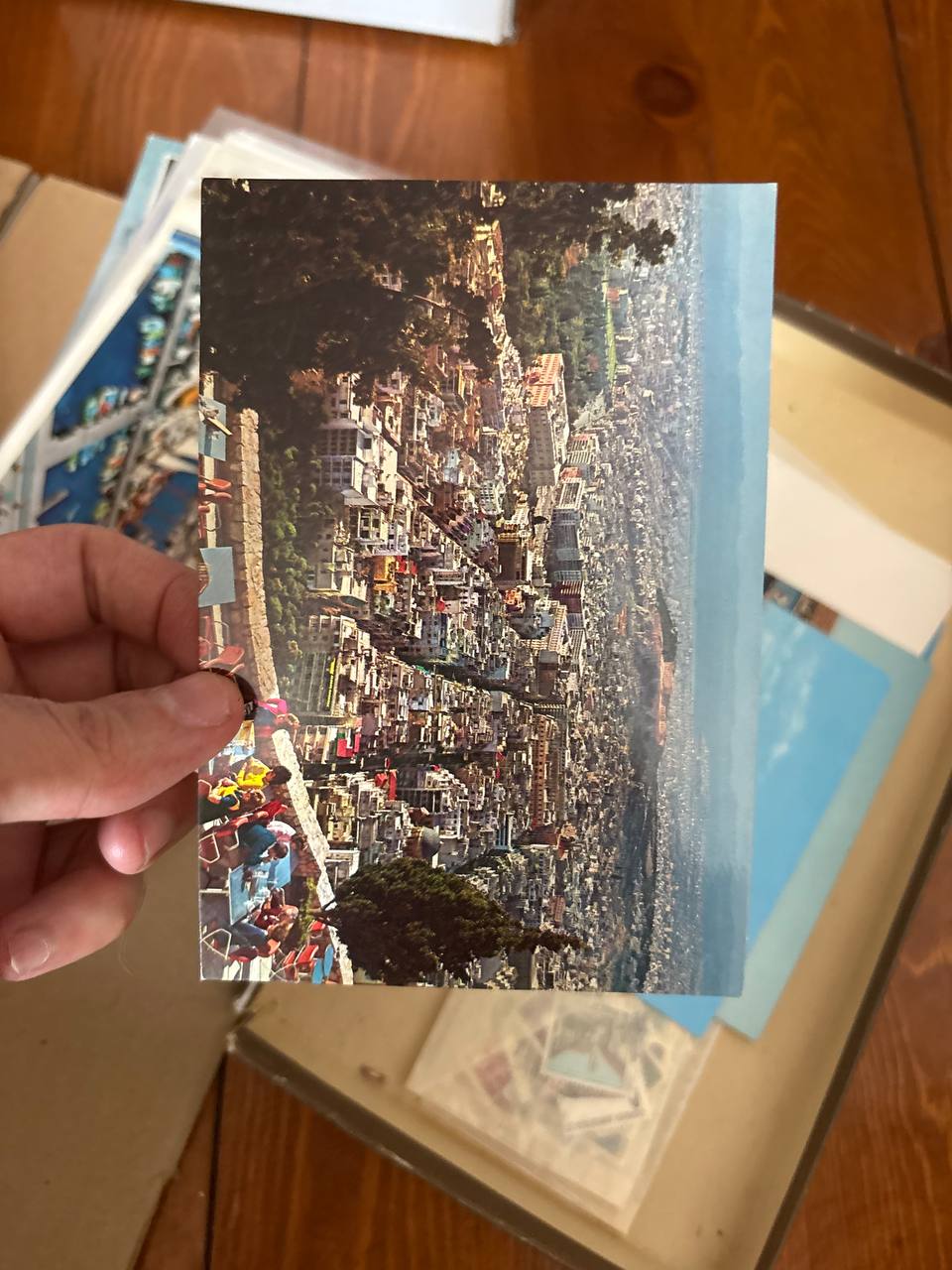
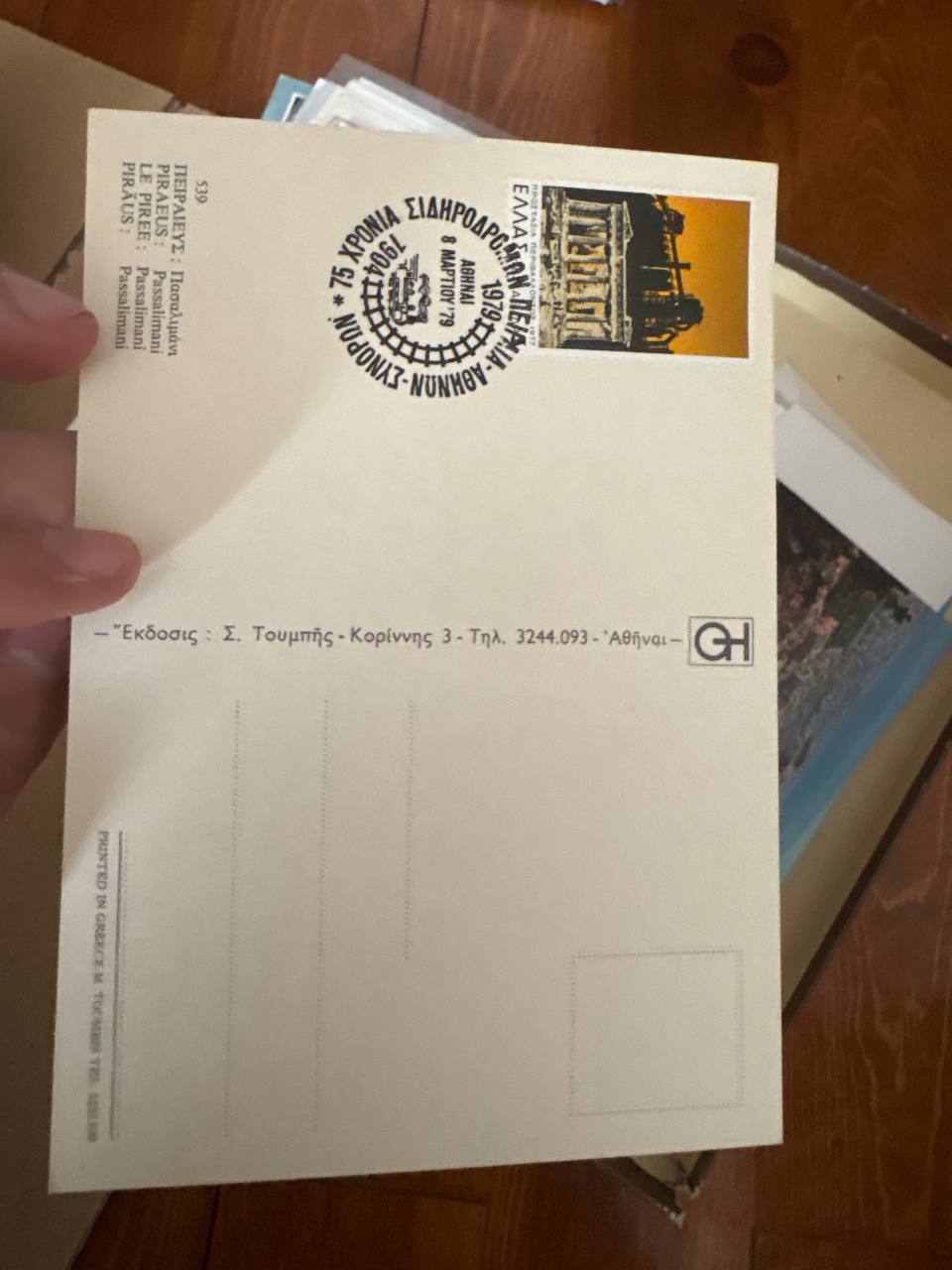
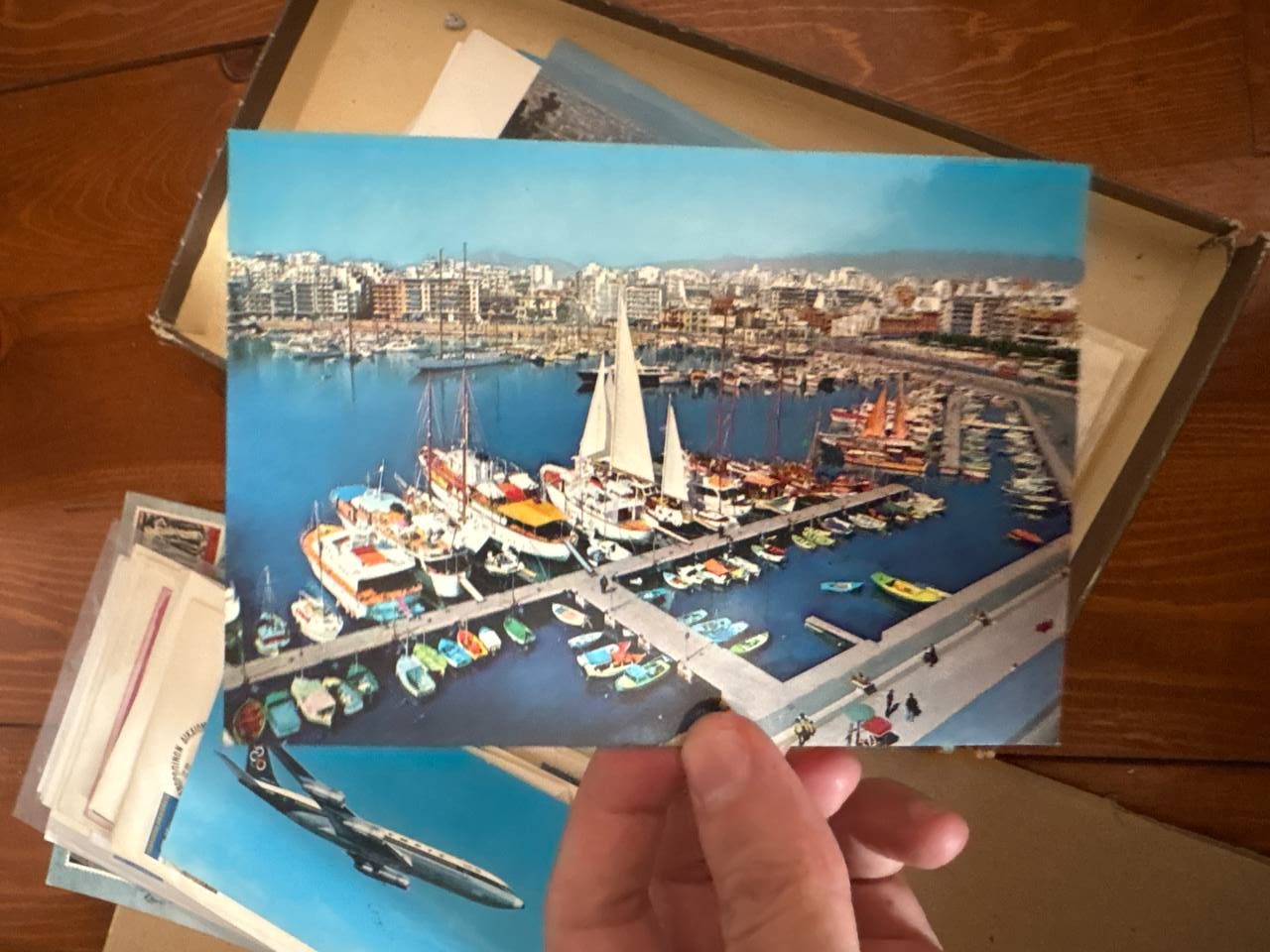
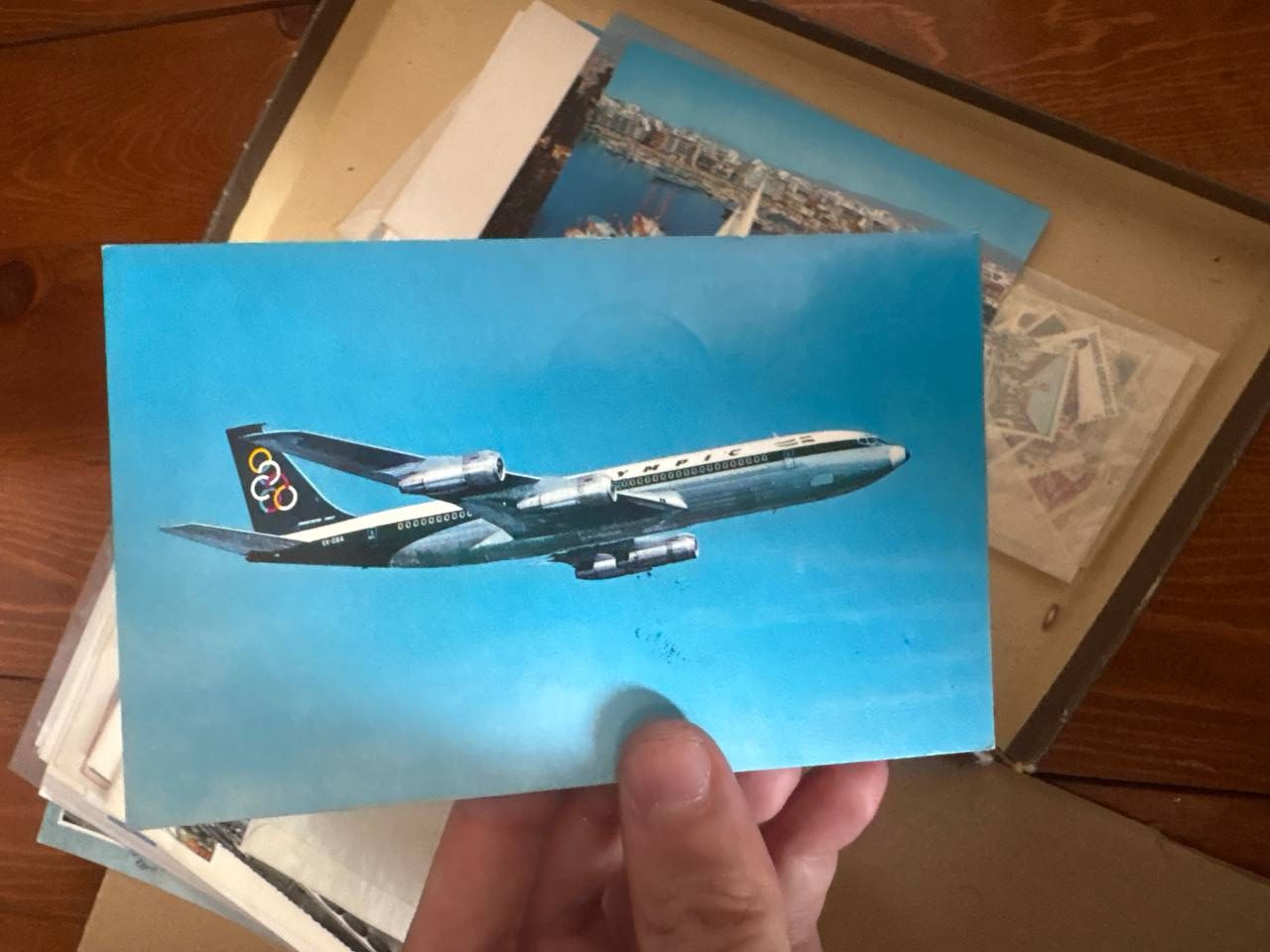
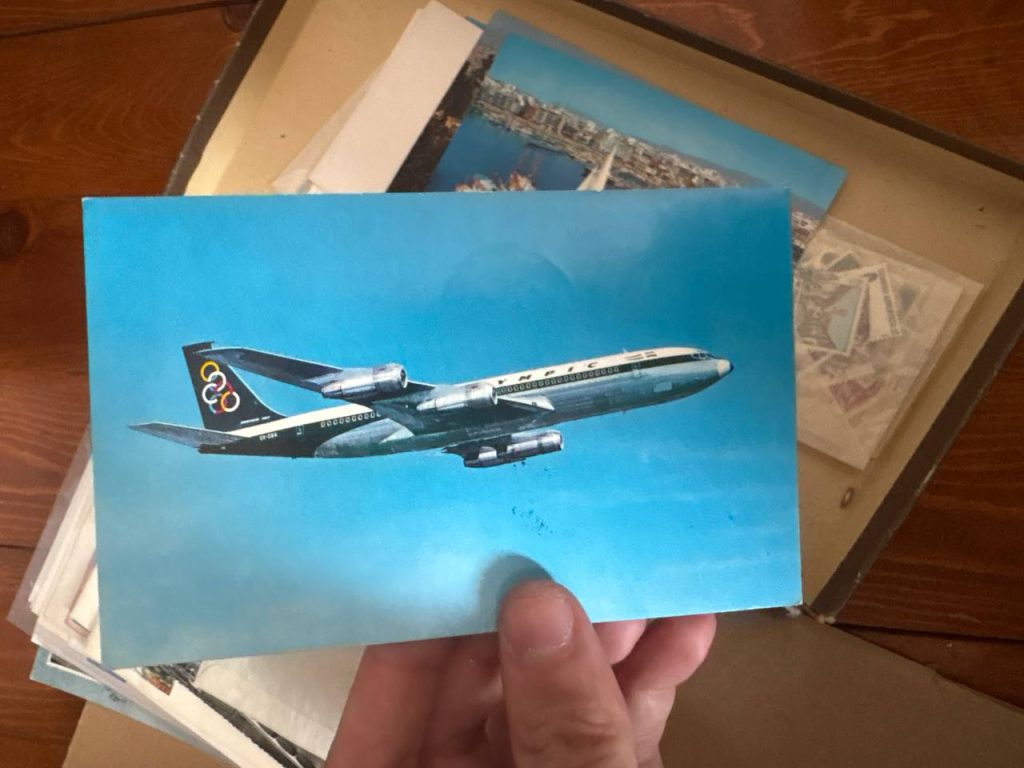
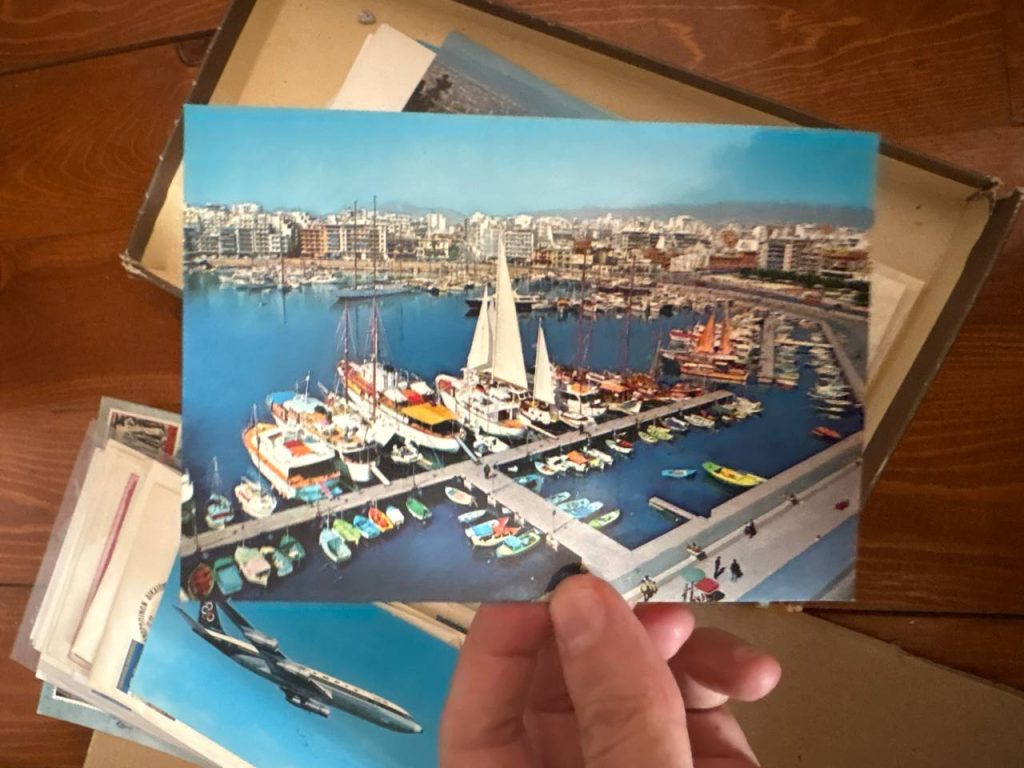
Postcards are remarkable for their diversity. Designs range from photographic reproductions and painted artworks to advertising cards, commemorative editions, and philatelic postcards featuring special stamps and cancellations.
Themes often include:
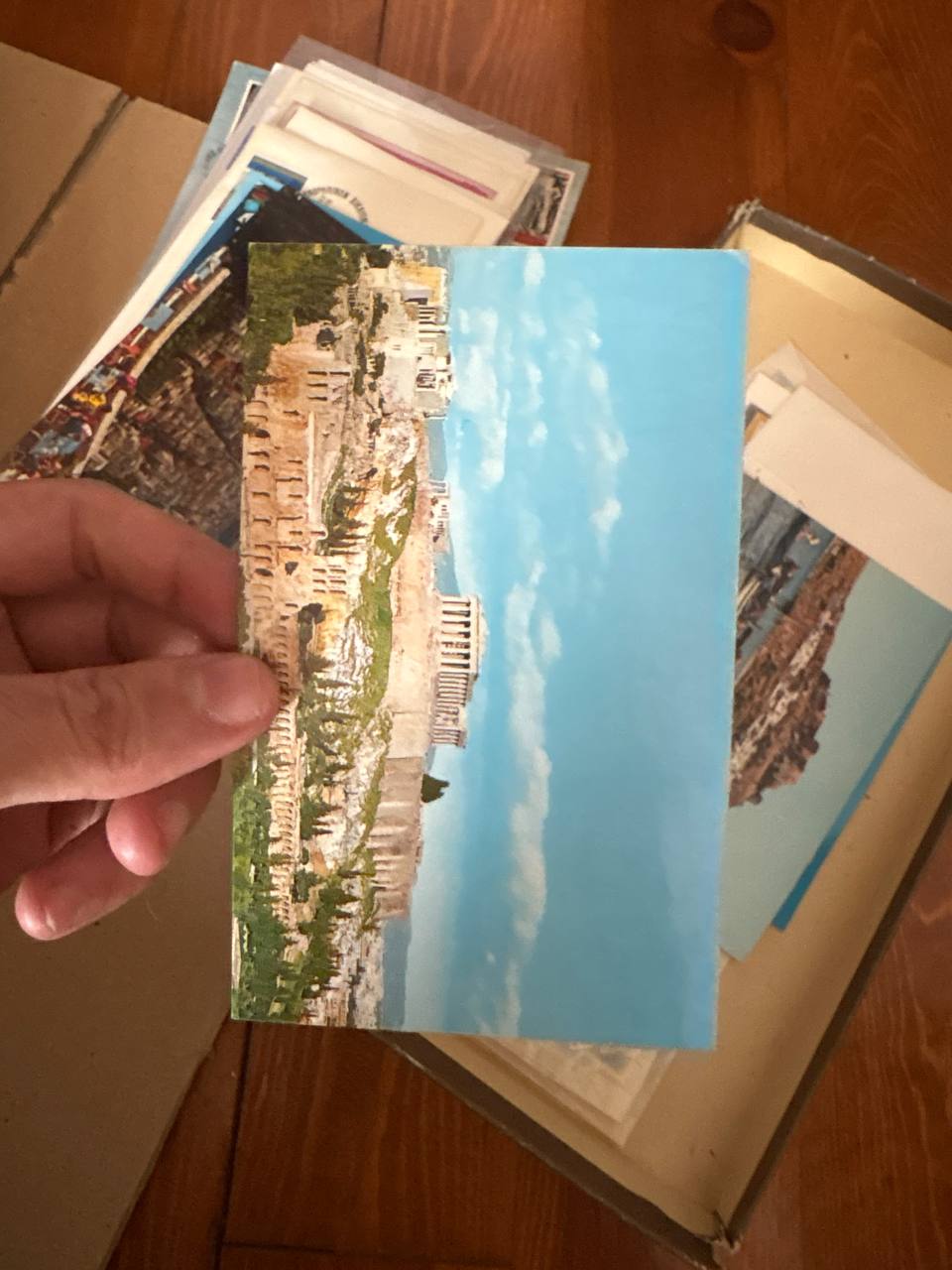
City views and monuments
Historical events
Famous personalities
National celebrations and exhibitions
Art, nature, and everyday scenes
Each postcard tells a story — of a place, a time, or a feeling — captured in imagery and words.