Postage Stamps
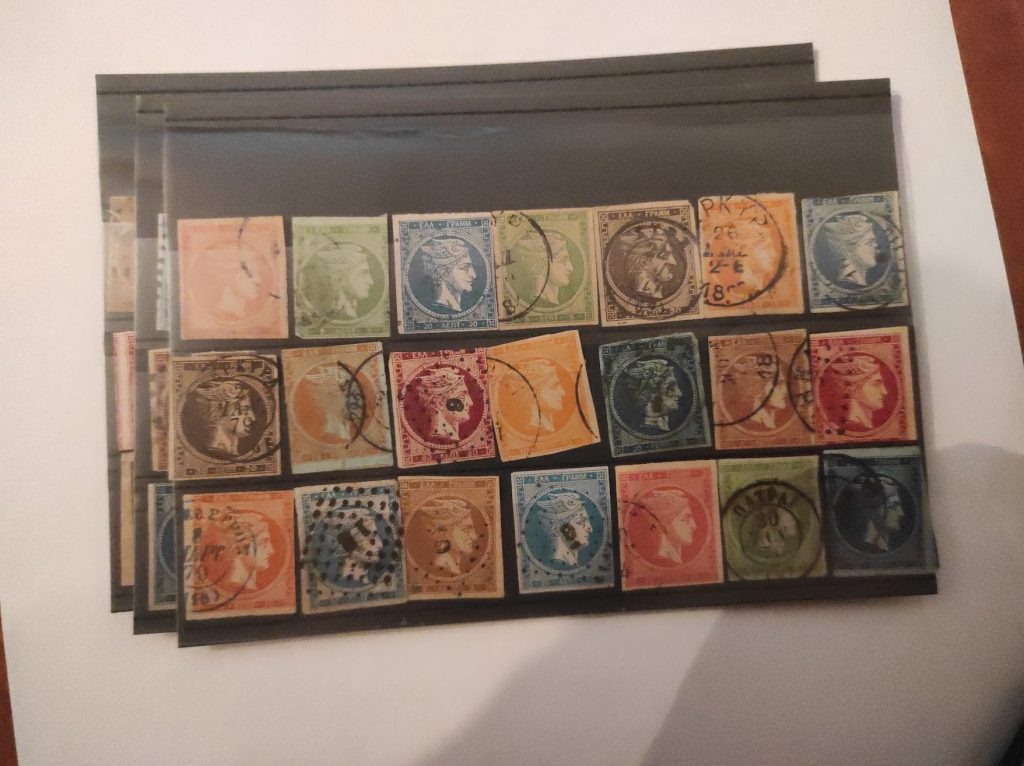
A postage stamp is one of humanity’s smallest yet most meaningful creations — a piece of paper that carries messages, connects people, and tells stories across time and space. Beyond their practical postal function, stamps are miniature works of art, celebrating national identity, historical milestones, and cultural achievements.
For collectors, postage stamps embody the essence of philately — the study and appreciation of postal history and design. Each stamp is a reflection of its era, its country, and the people who shaped it.
Origins and Historical Development
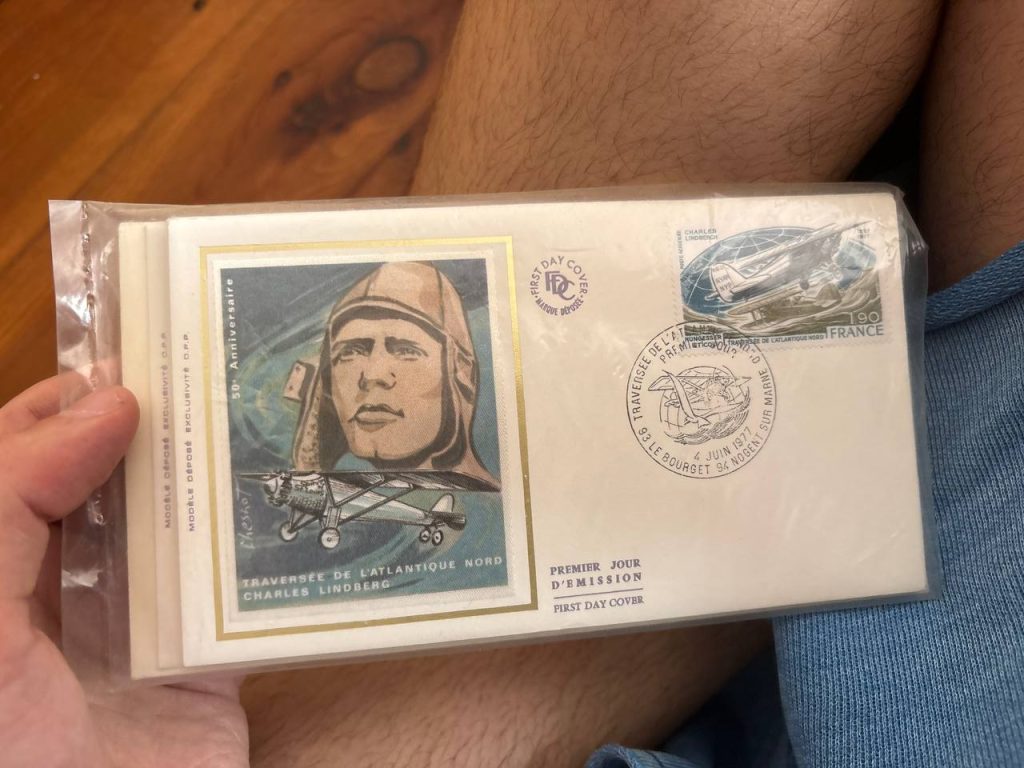
A First Day Cover (FDC) is a specially prepared envelope that bears a newly issued postage stamp, cancelled on the first official day of its release. These envelopes often feature a unique design or illustration — known as a cachet — that relates to the theme of the stamp issue.
Collectors value FDCs because they capture a historic moment in postal and cultural history. Each one marks the exact date and location where a new stamp entered circulation, making it a tangible record of that event.
Many FDCs are produced by postal authorities or private philatelic organizations and are highly sought after by stamp collectors worldwide.