First Day Covers (FDCs)
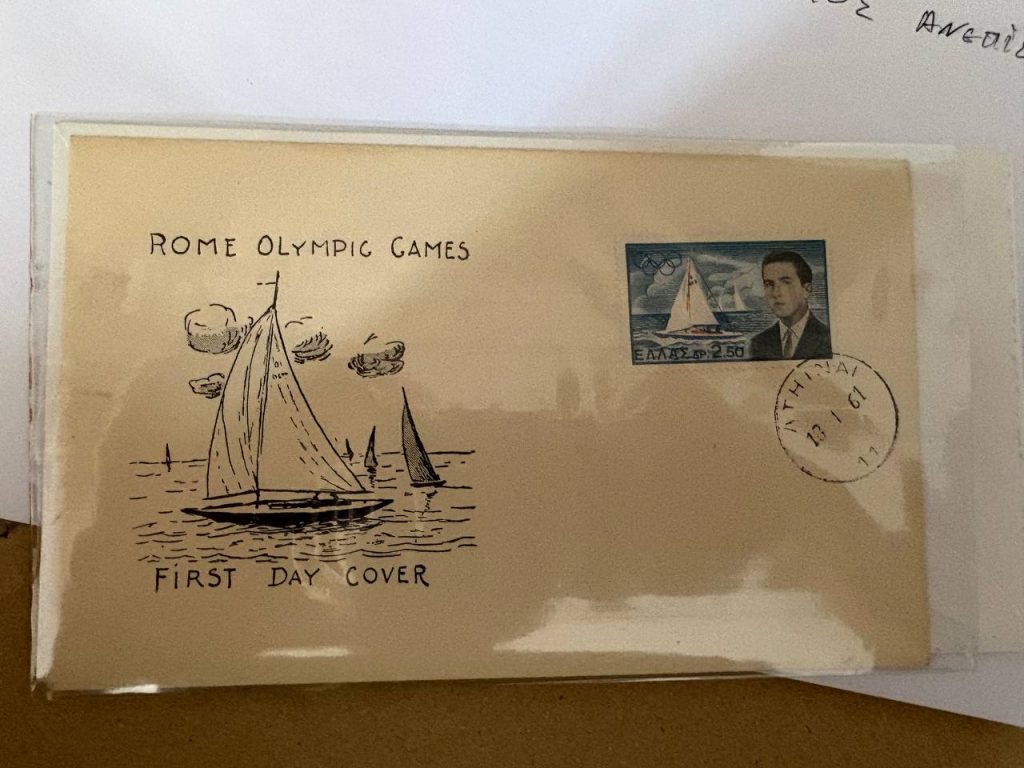
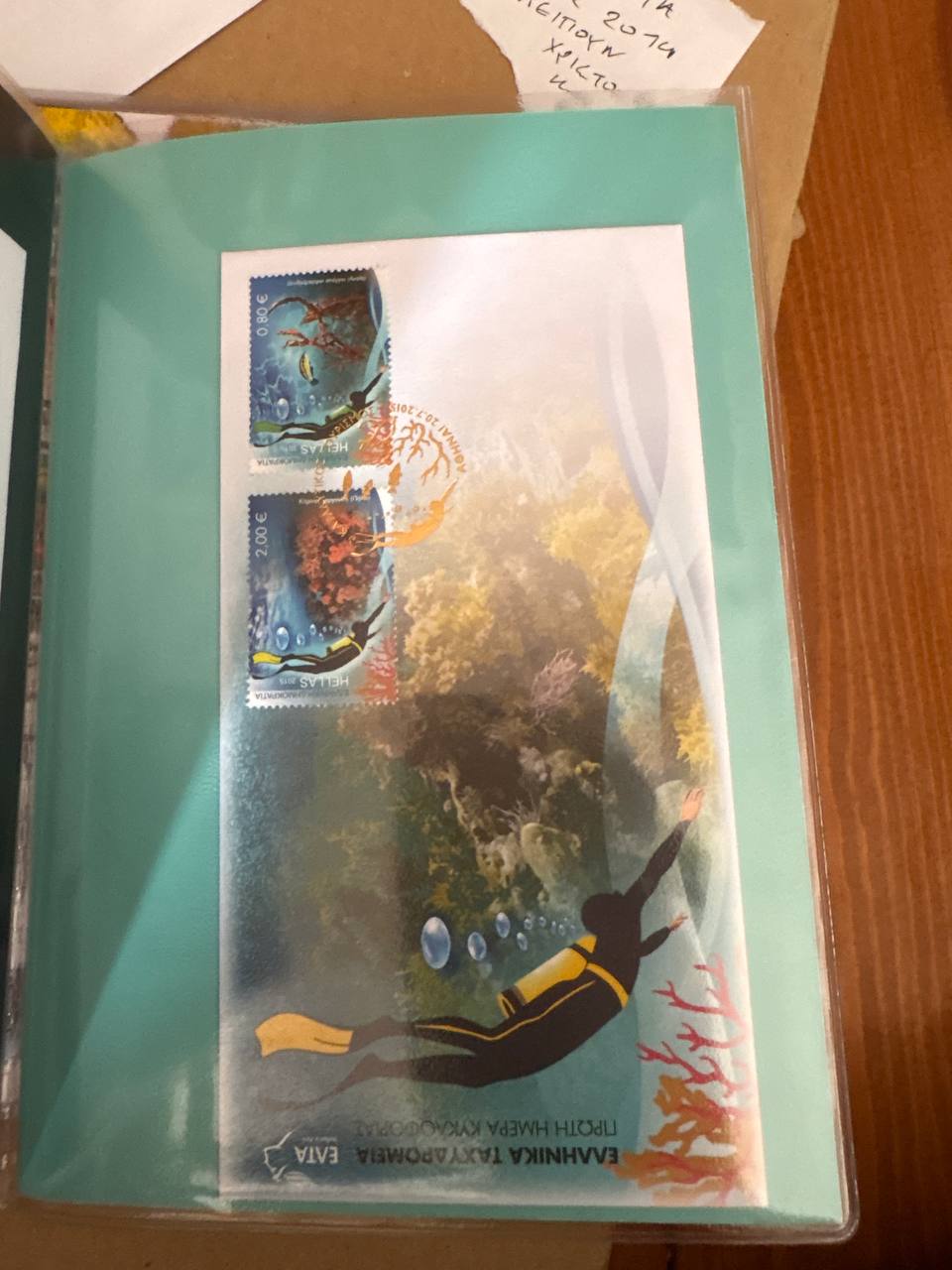
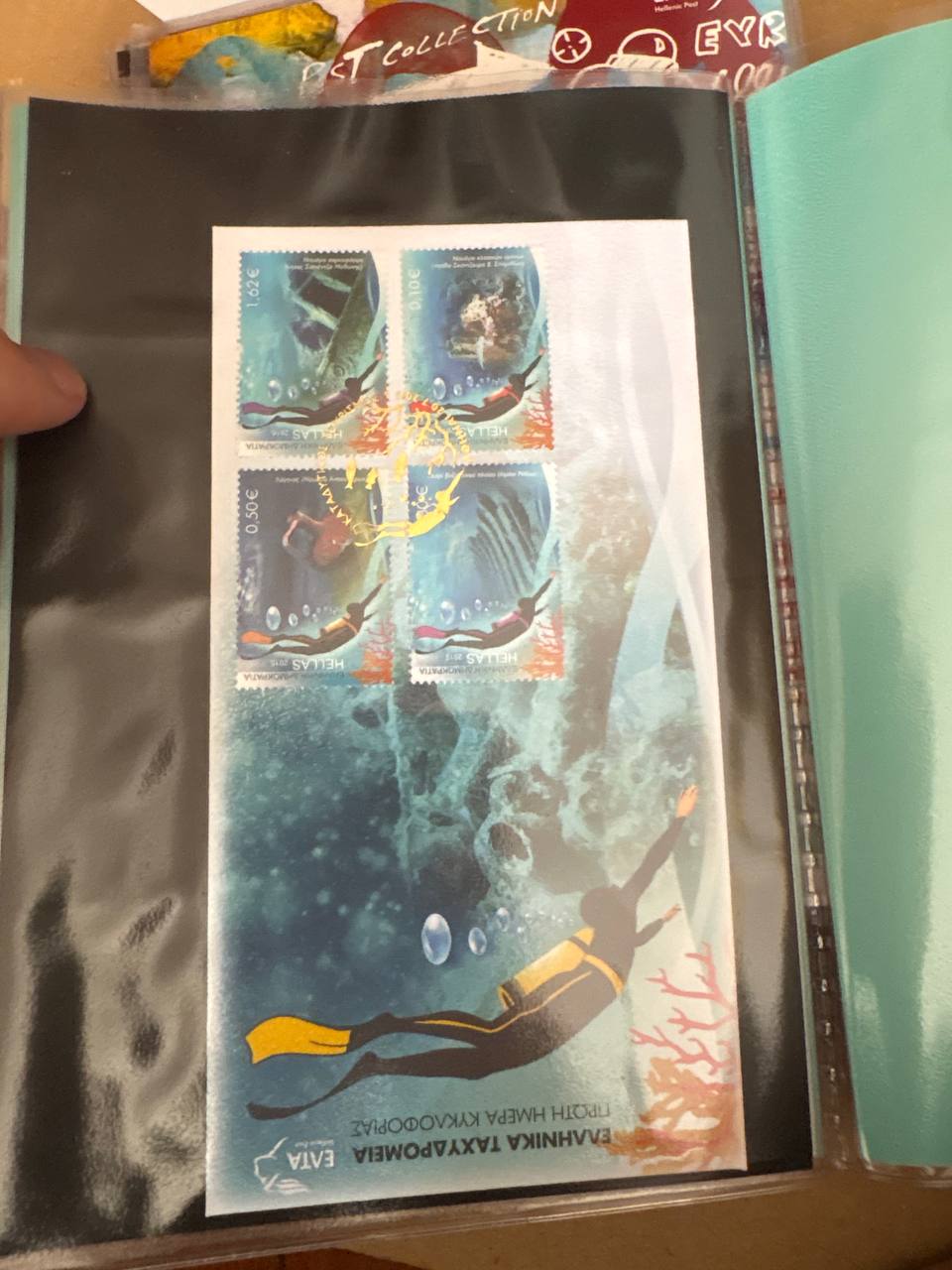
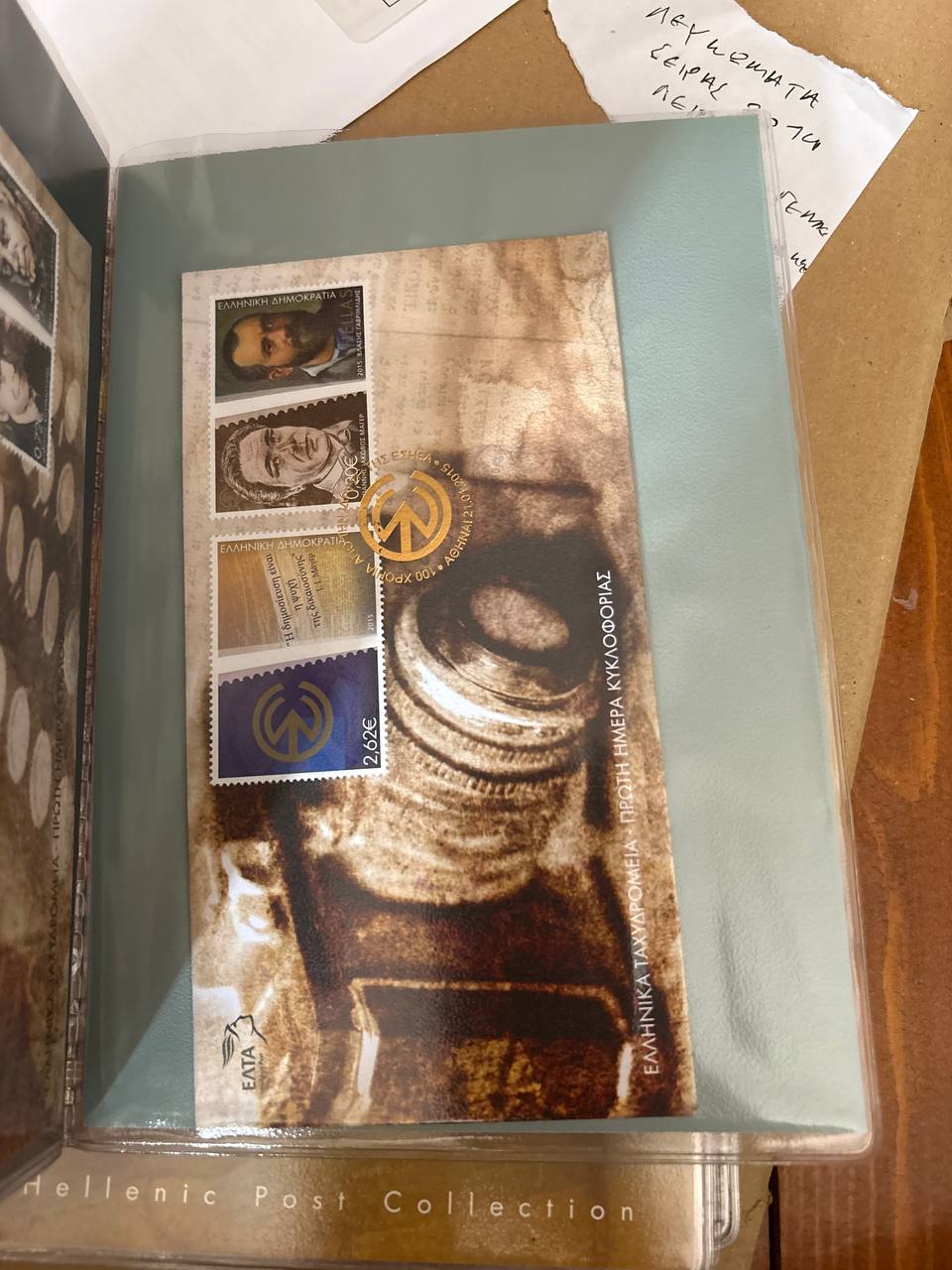
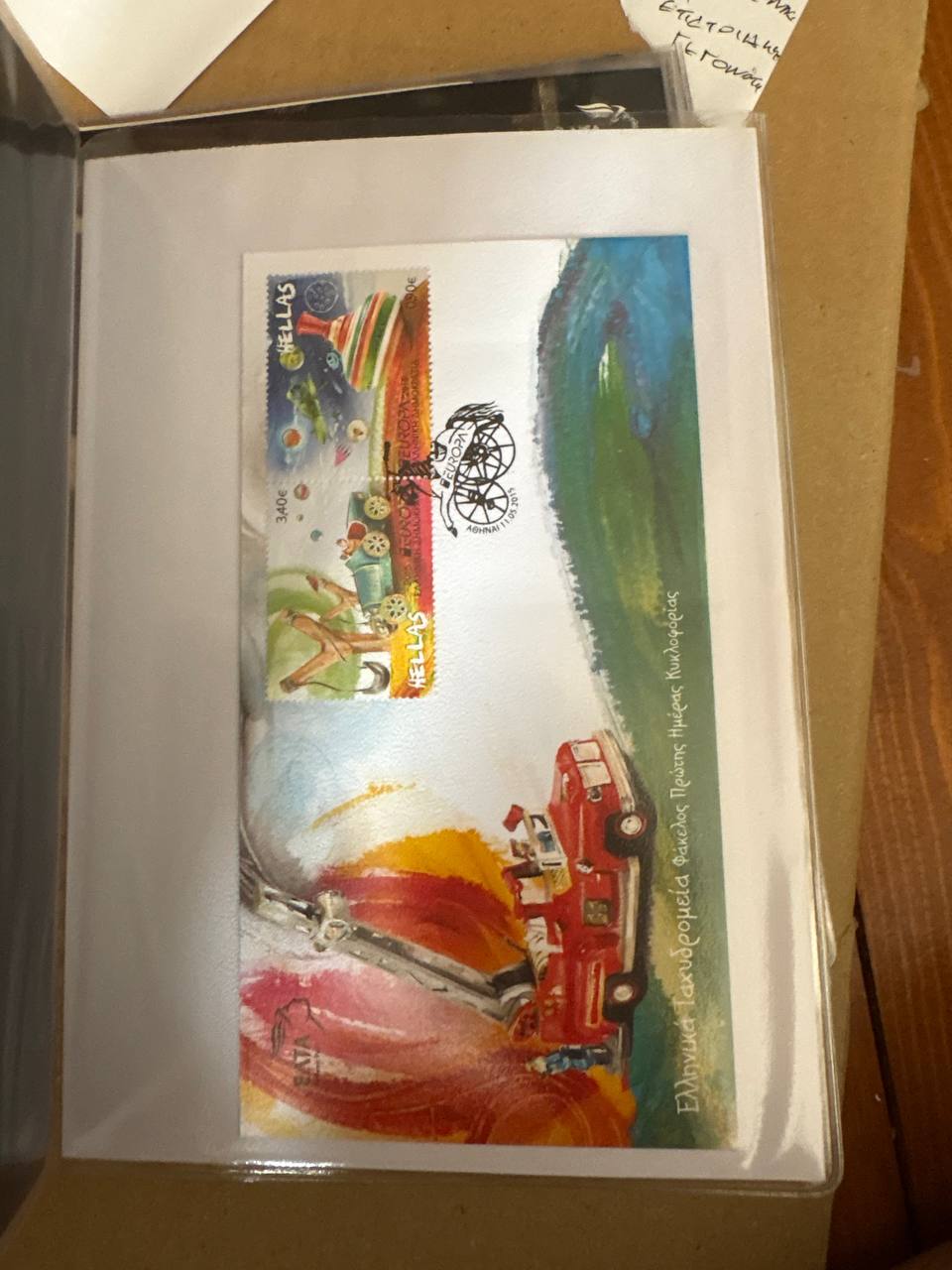
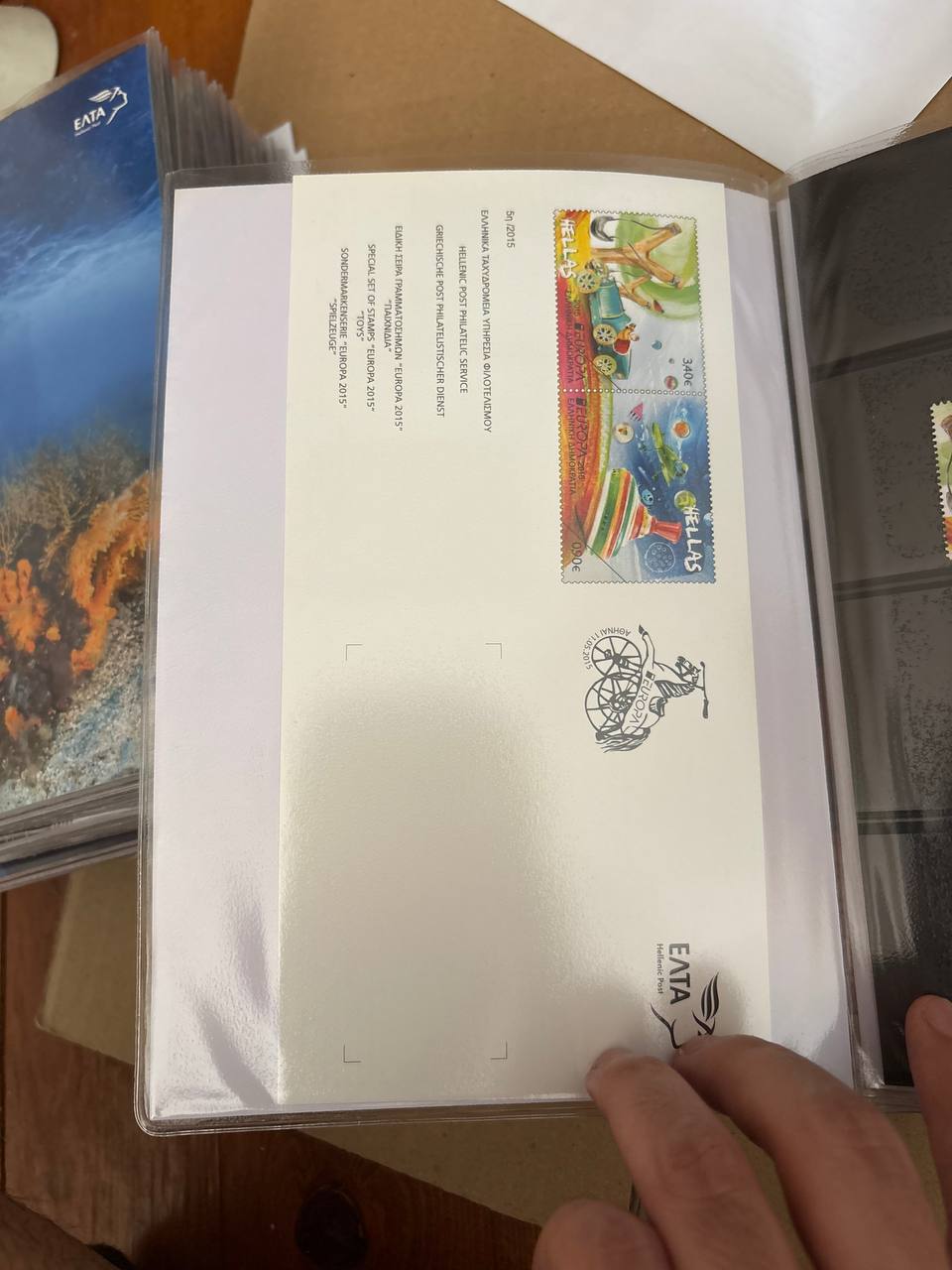
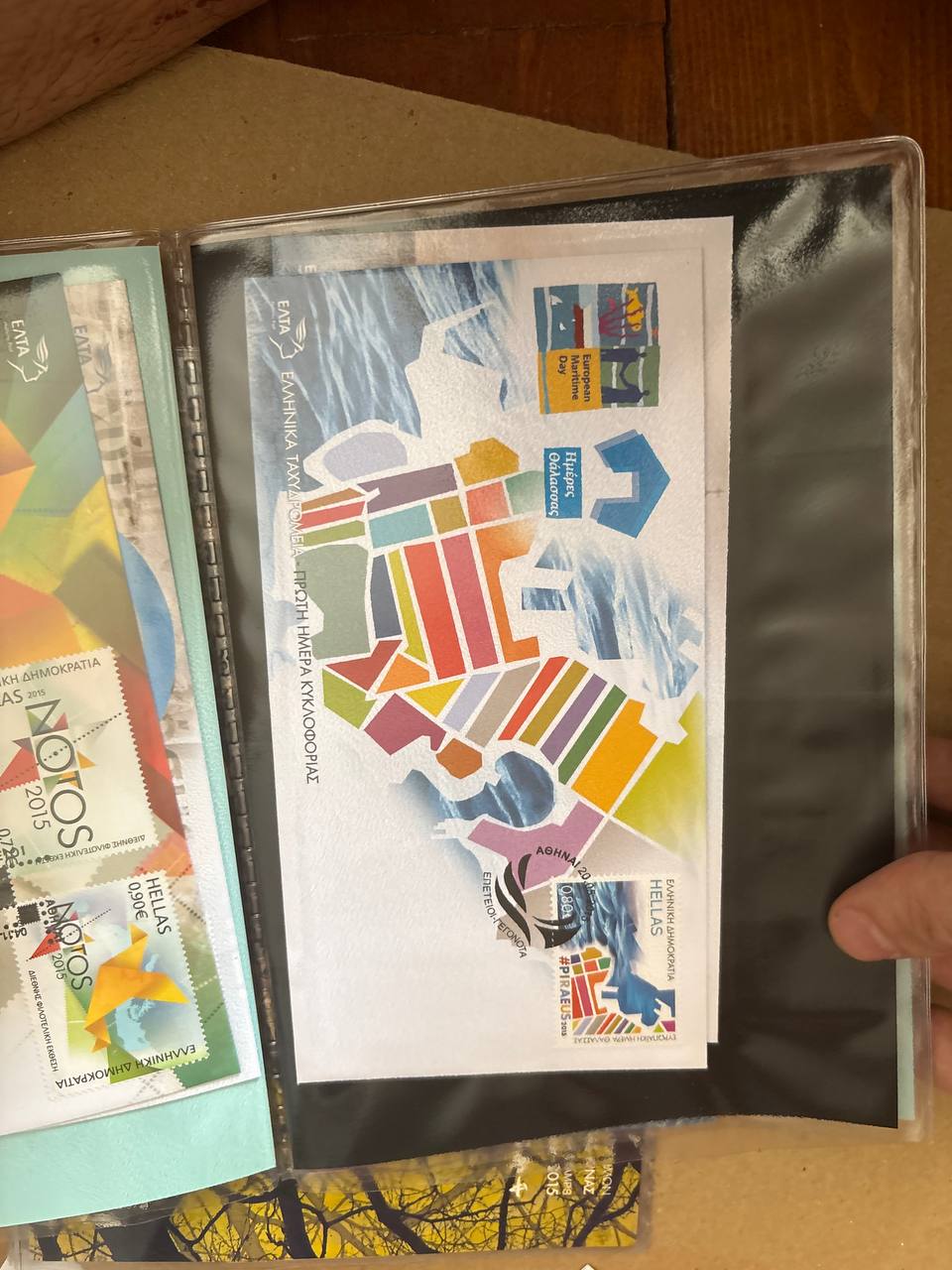
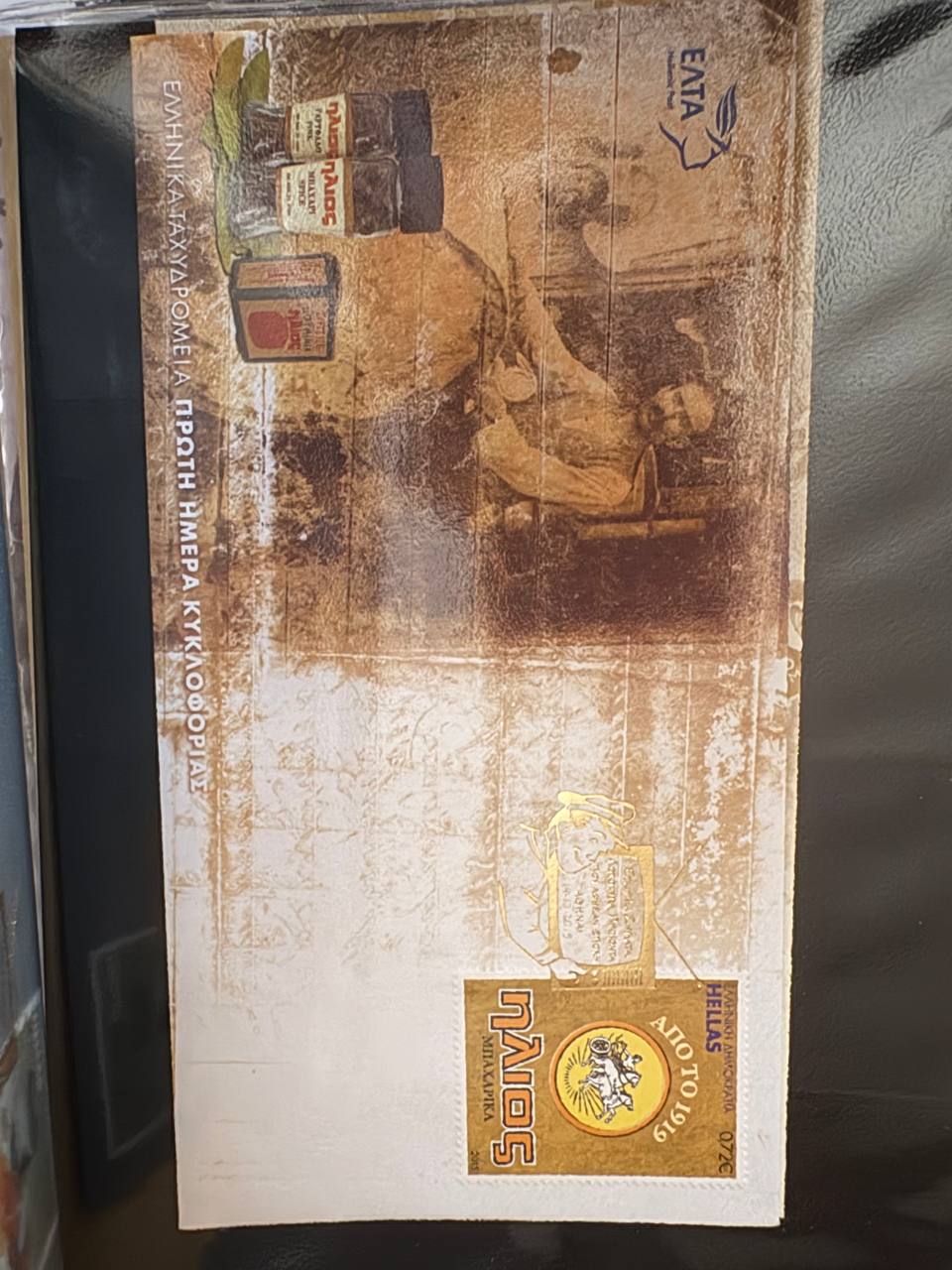
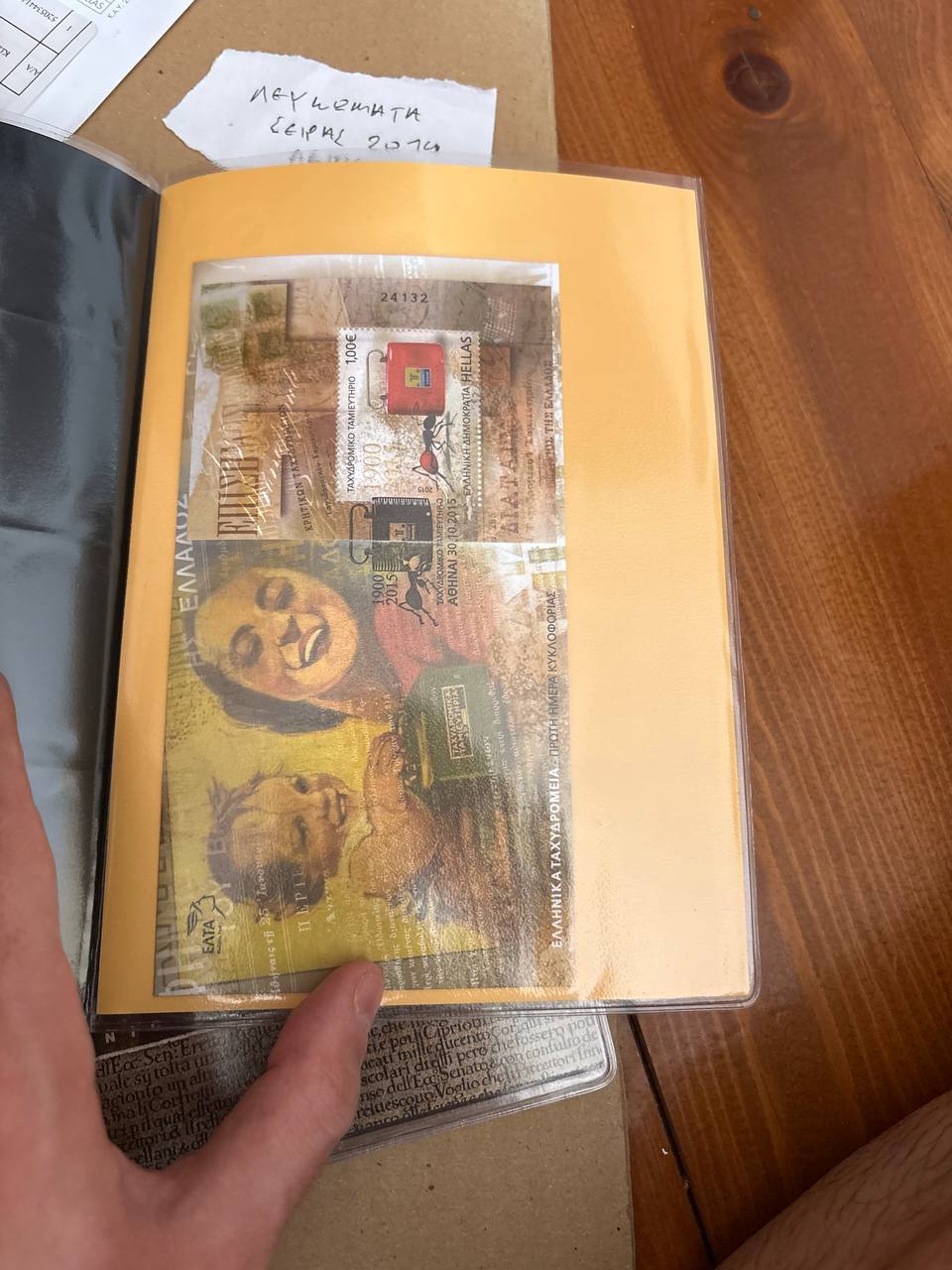
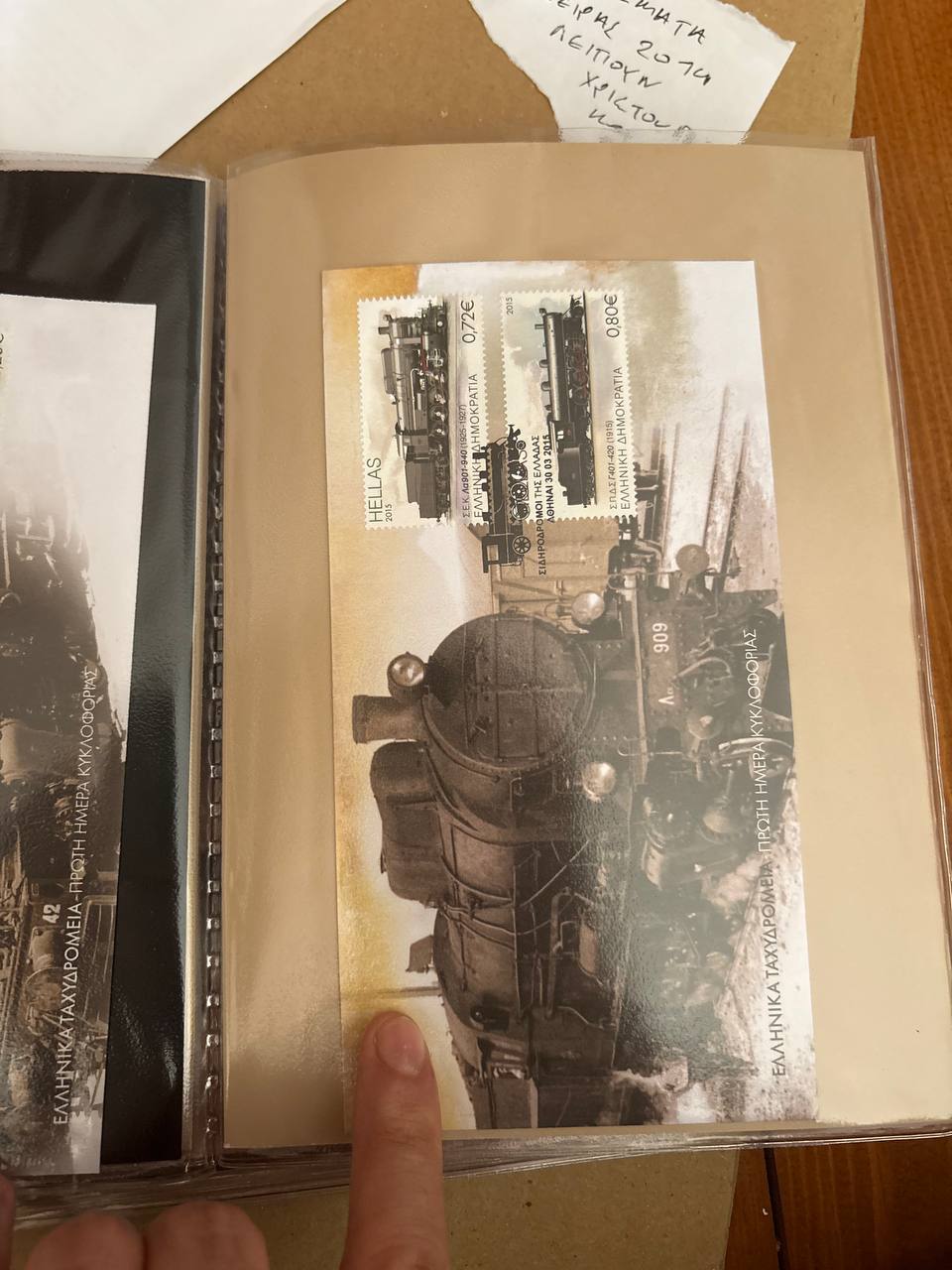
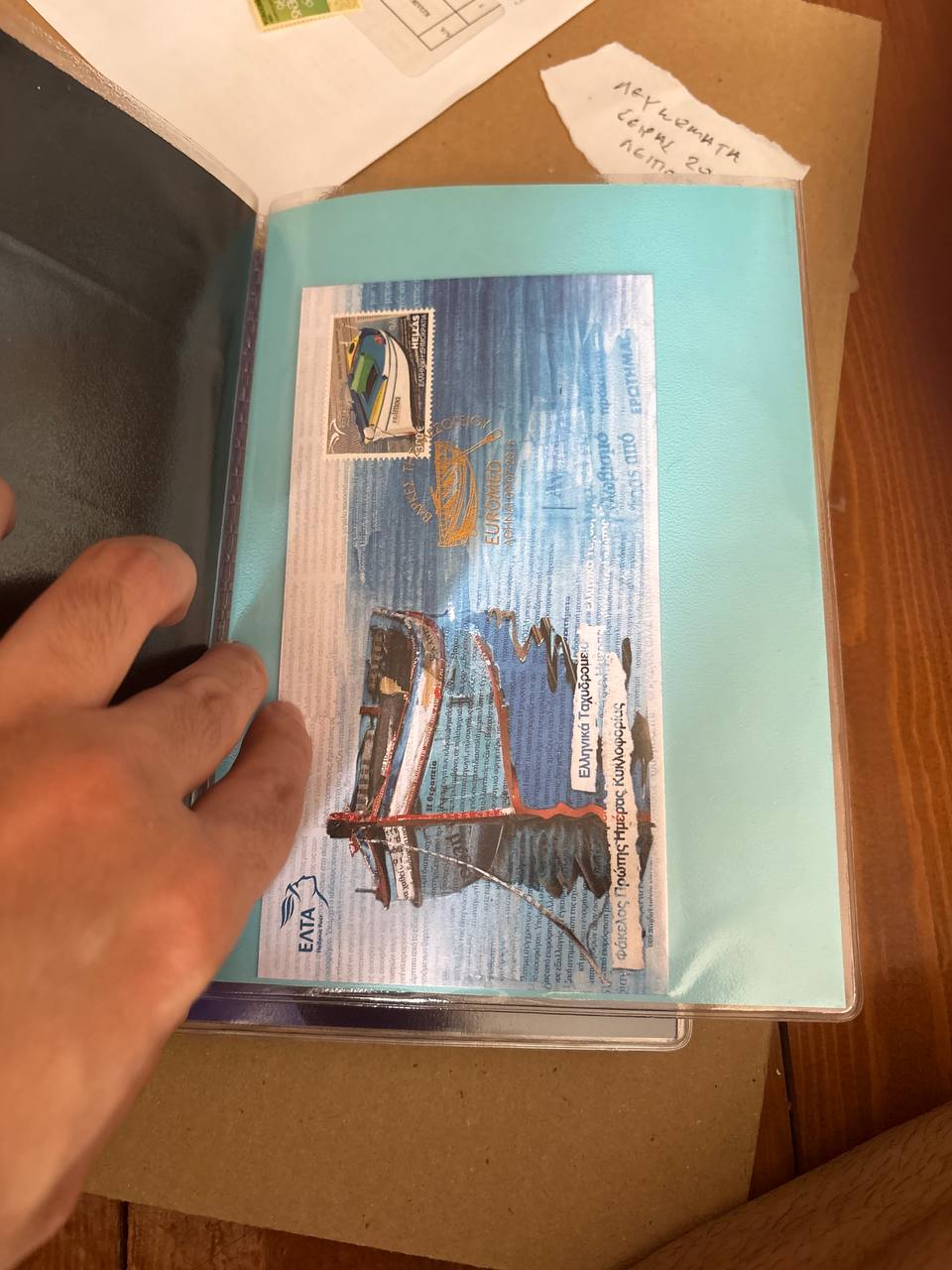
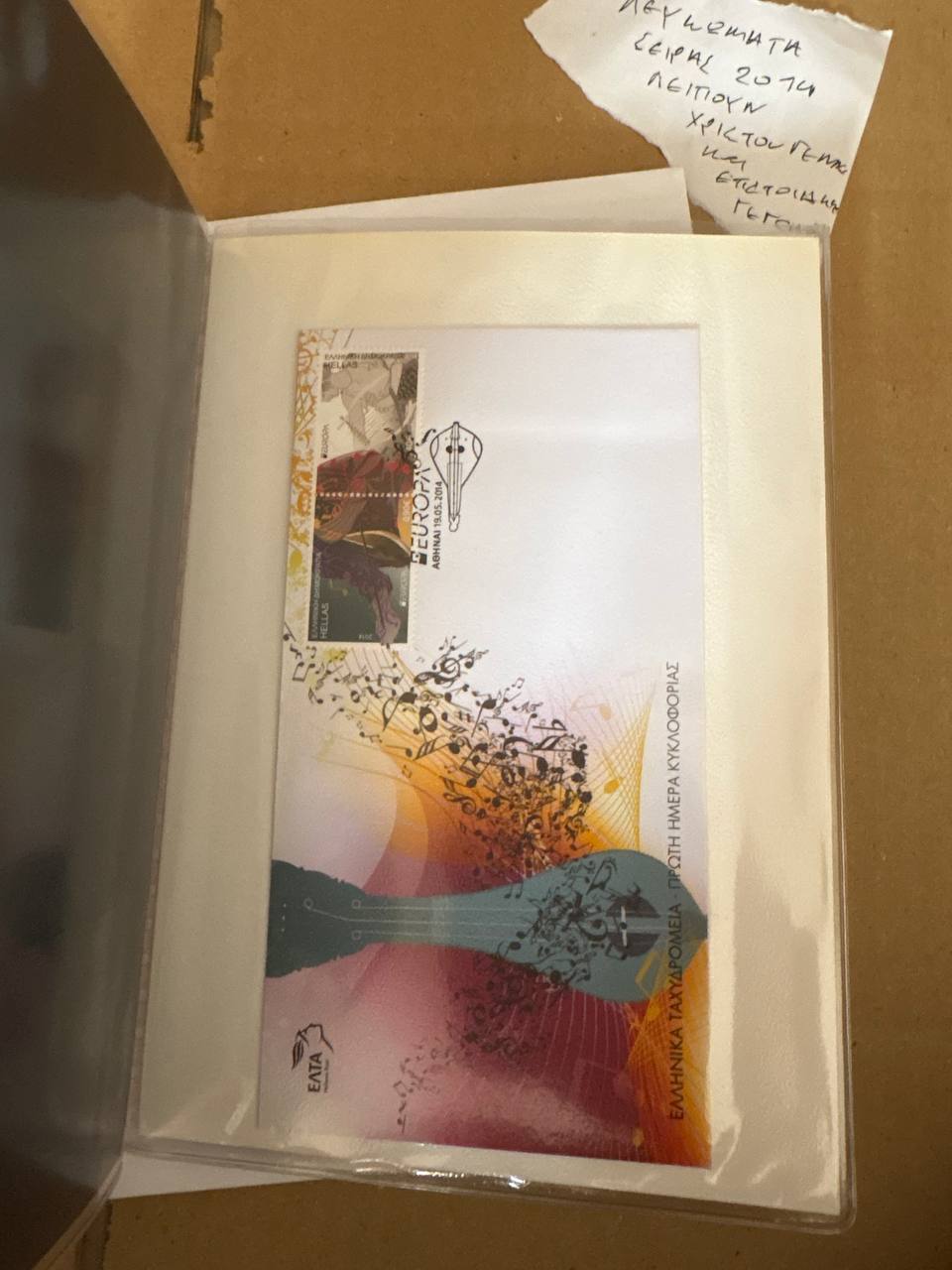
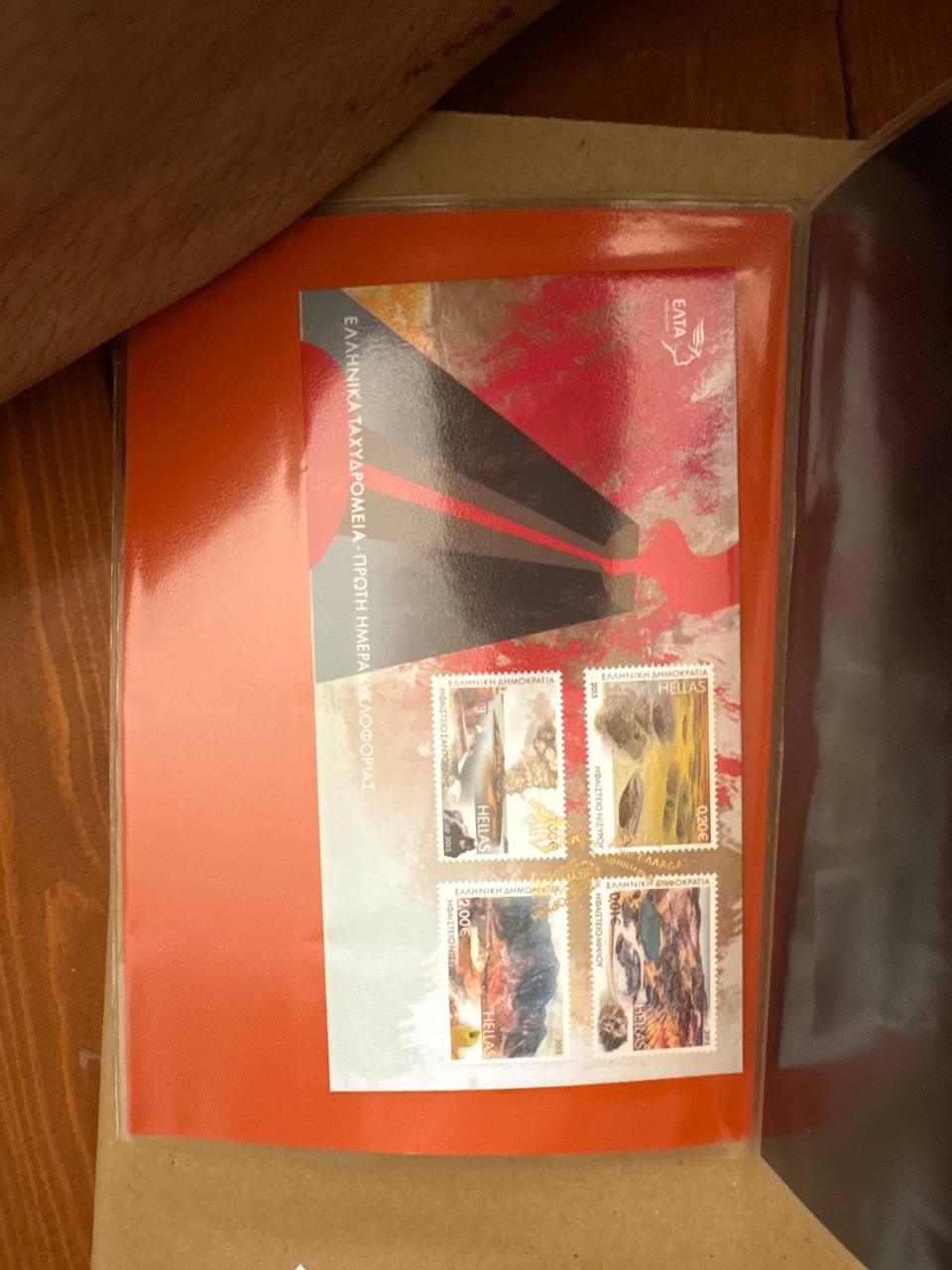
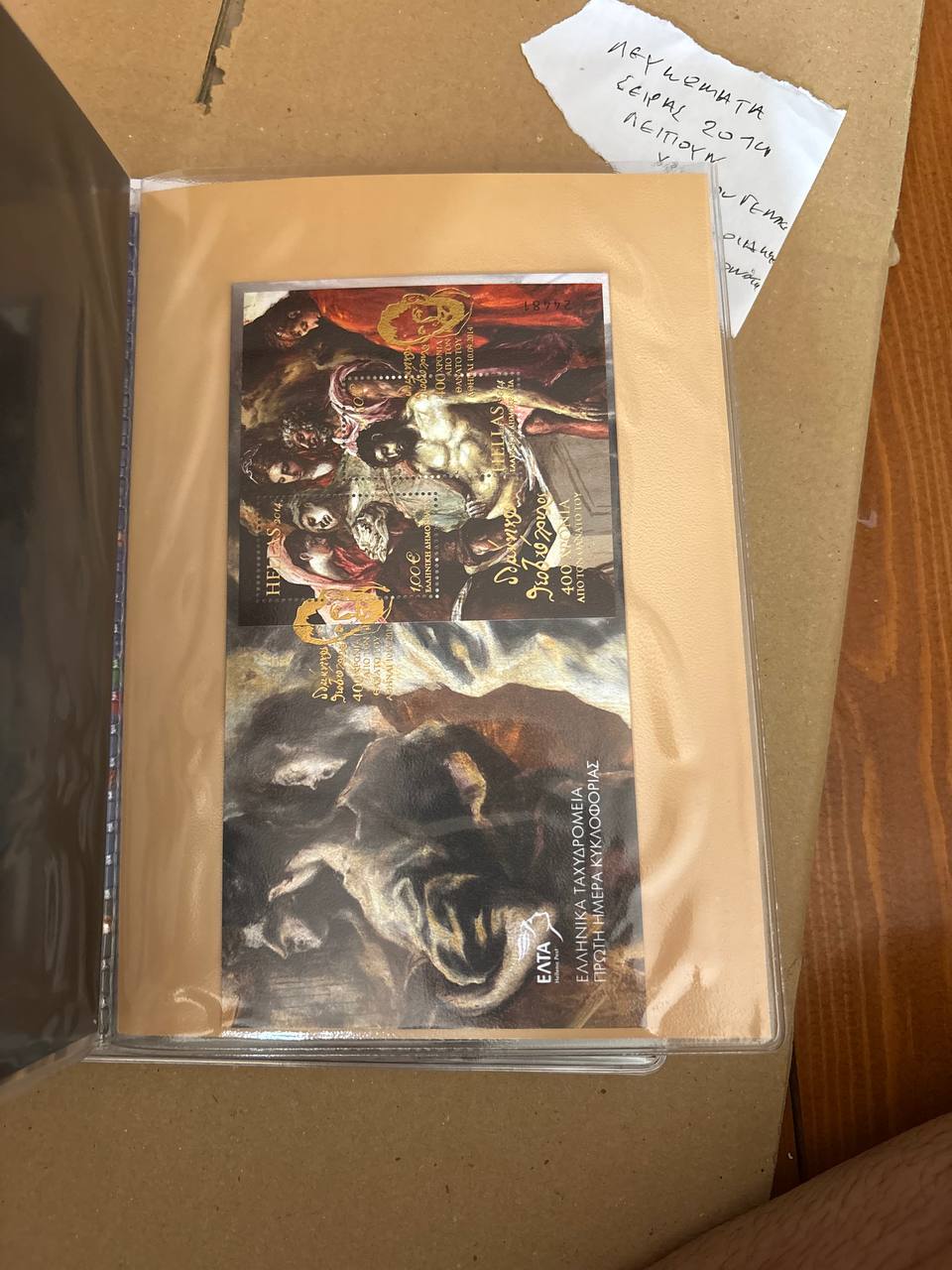
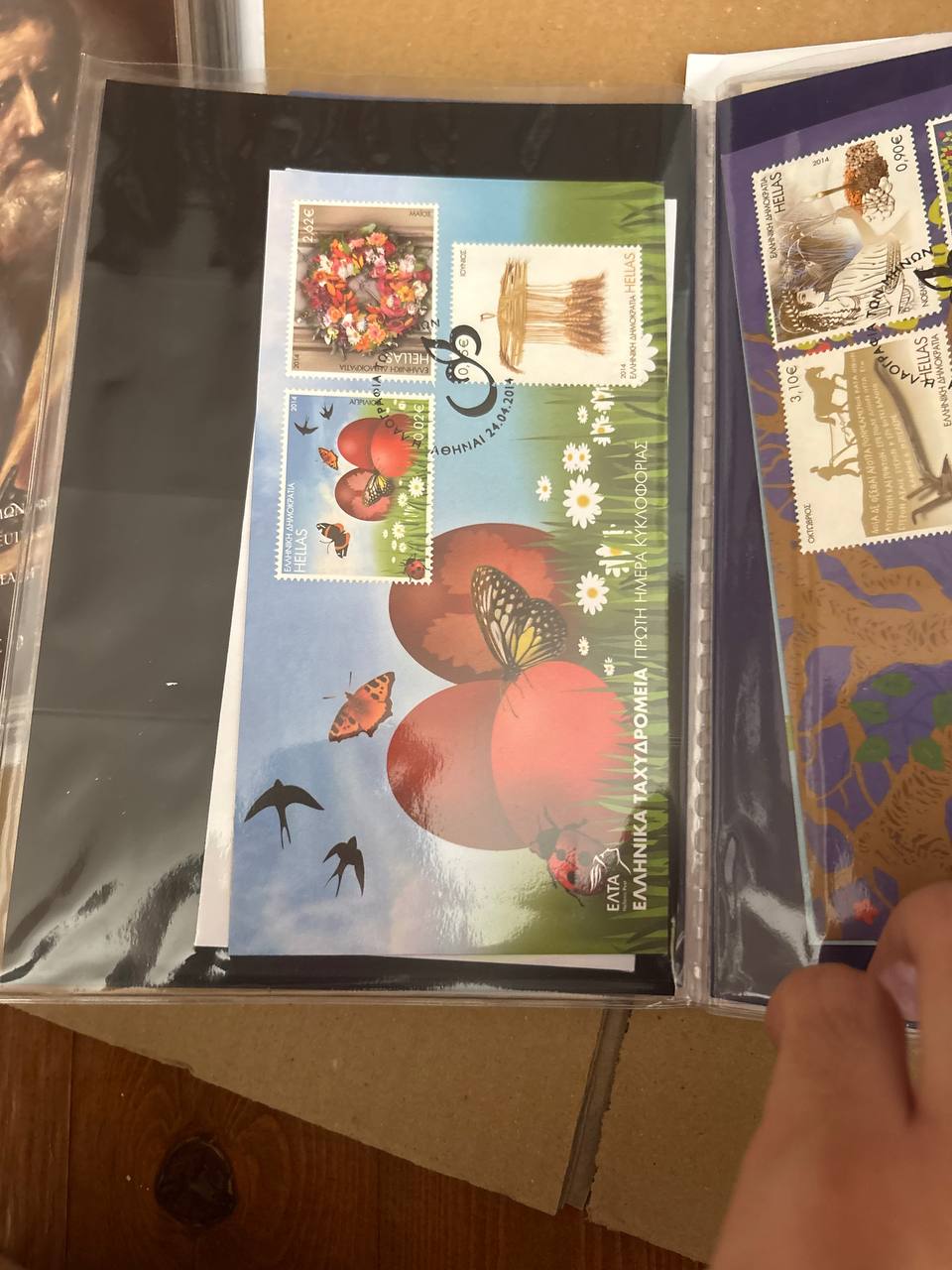
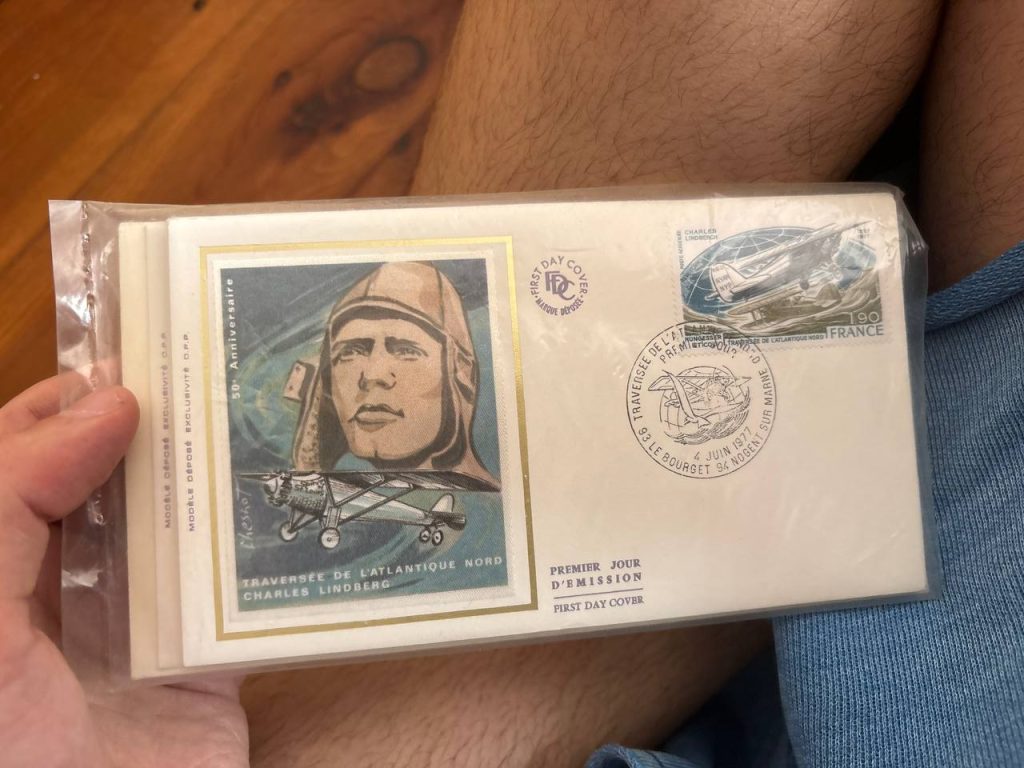
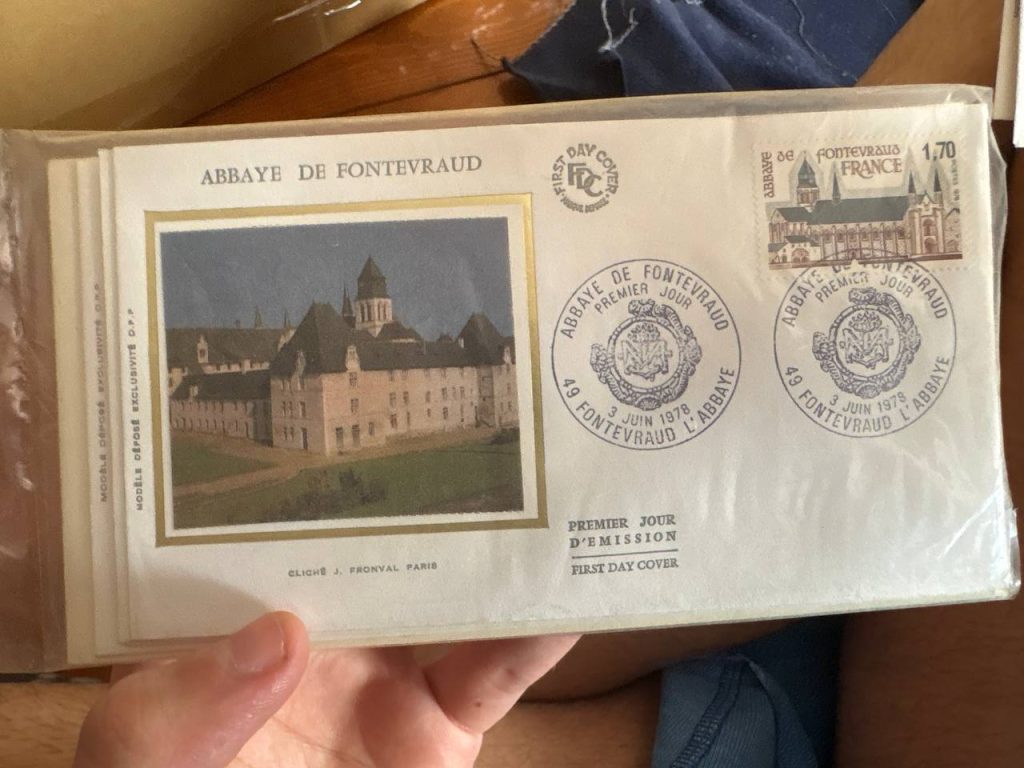
A First Day Cover (FDC) is a specially prepared envelope that bears a newly issued postage stamp, cancelled on the first official day of its release. These envelopes often feature a unique design or illustration — known as a cachet — that relates to the theme of the stamp issue.
Collectors value FDCs because they capture a historic moment in postal and cultural history. Each one marks the exact date and location where a new stamp entered circulation, making it a tangible record of that event.
Many FDCs are produced by postal authorities or private philatelic organizations and are highly sought after by stamp collectors worldwide.
Origins and Development
The concept of the First Day Cover began in the early 20th century, when collectors and postal authorities recognized the significance of documenting the first use of a new stamp. The earliest known examples were simple envelopes bearing postmarks from the issue date, often mailed to collectors by request.
As the practice gained popularity, postal administrations began producing official First Day Covers, complete with decorative designs and specially created postmarks. Today, FDCs are issued worldwide, marking important anniversaries, national events, and cultural achievements.
Structure and Components
A traditional First Day Cover includes three key elements:
The Stamp: A newly released postage stamp affixed to the envelope.
The Postmark: A special cancellation marking the first day and place of issue.
The Cachet: An illustration or printed design related to the theme of the stamp, often artistic or commemorative in style.
When combined, these components form a complete philatelic document — a snapshot of postal, historical, and artistic significance.